Rome City Tour Gallery
-
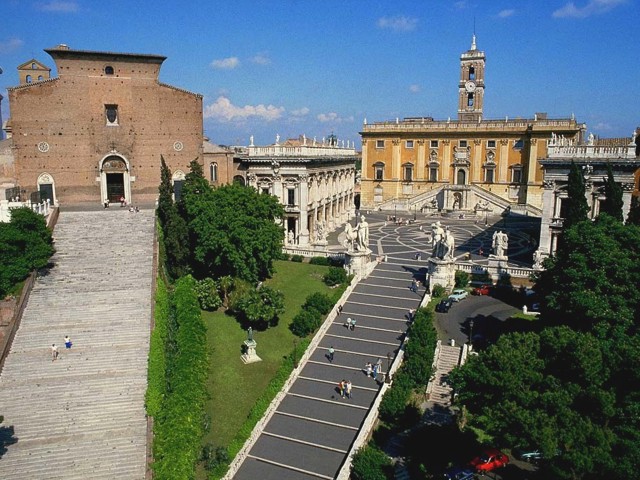
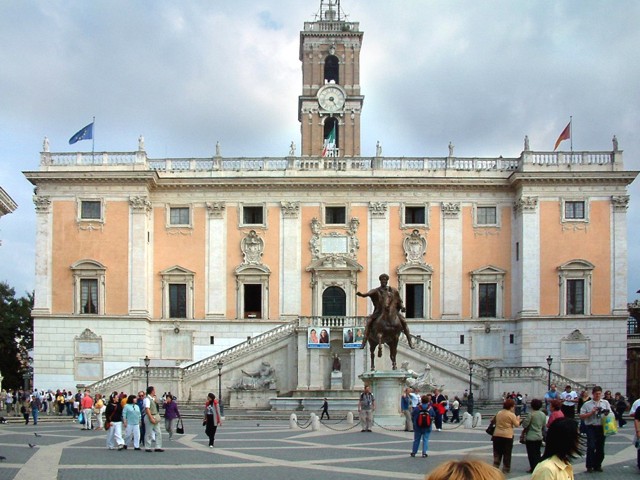
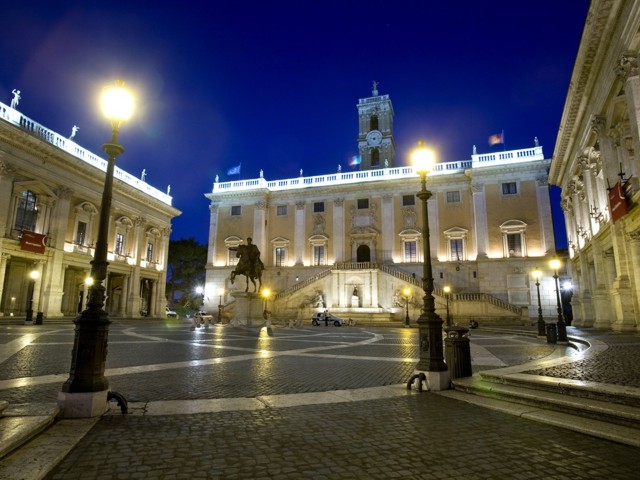
 Campidoglio - Ara CoeliCampidoglio
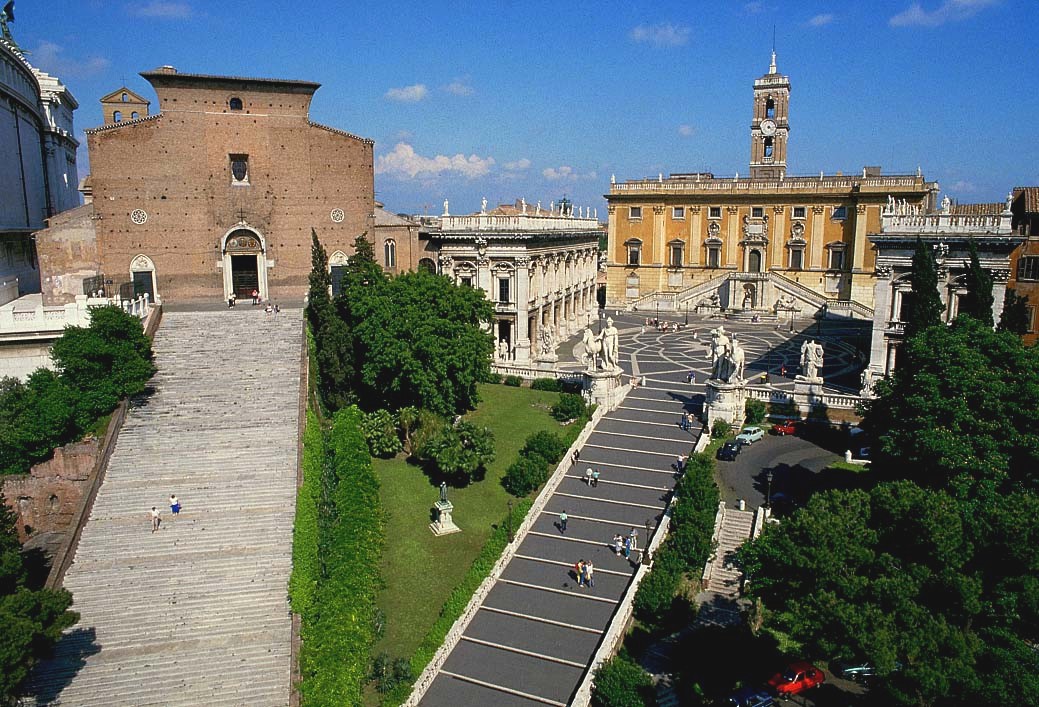
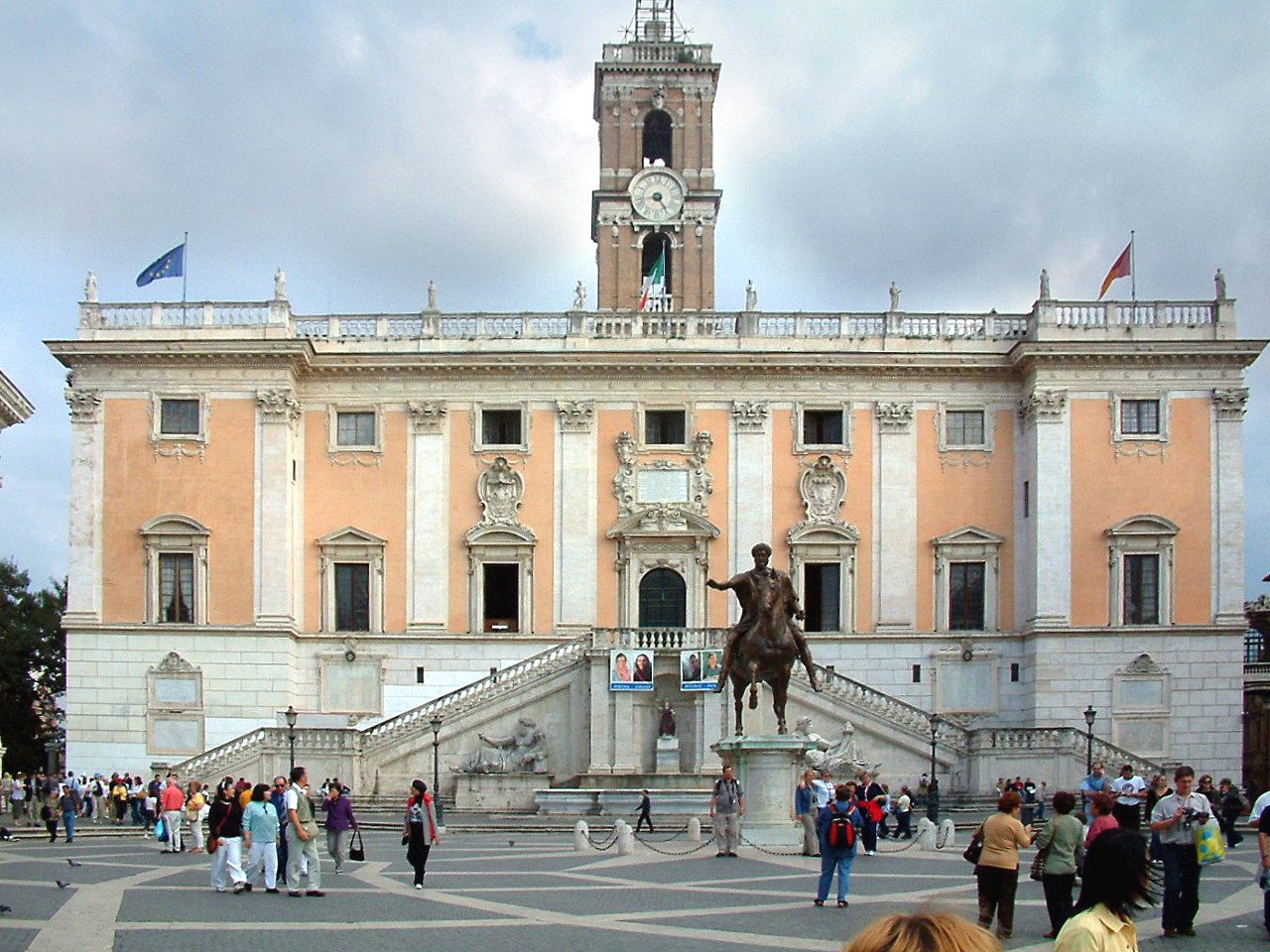
The Campidoglio (Mons Capitolinus) is one of the seven hills on which Rome was founded.
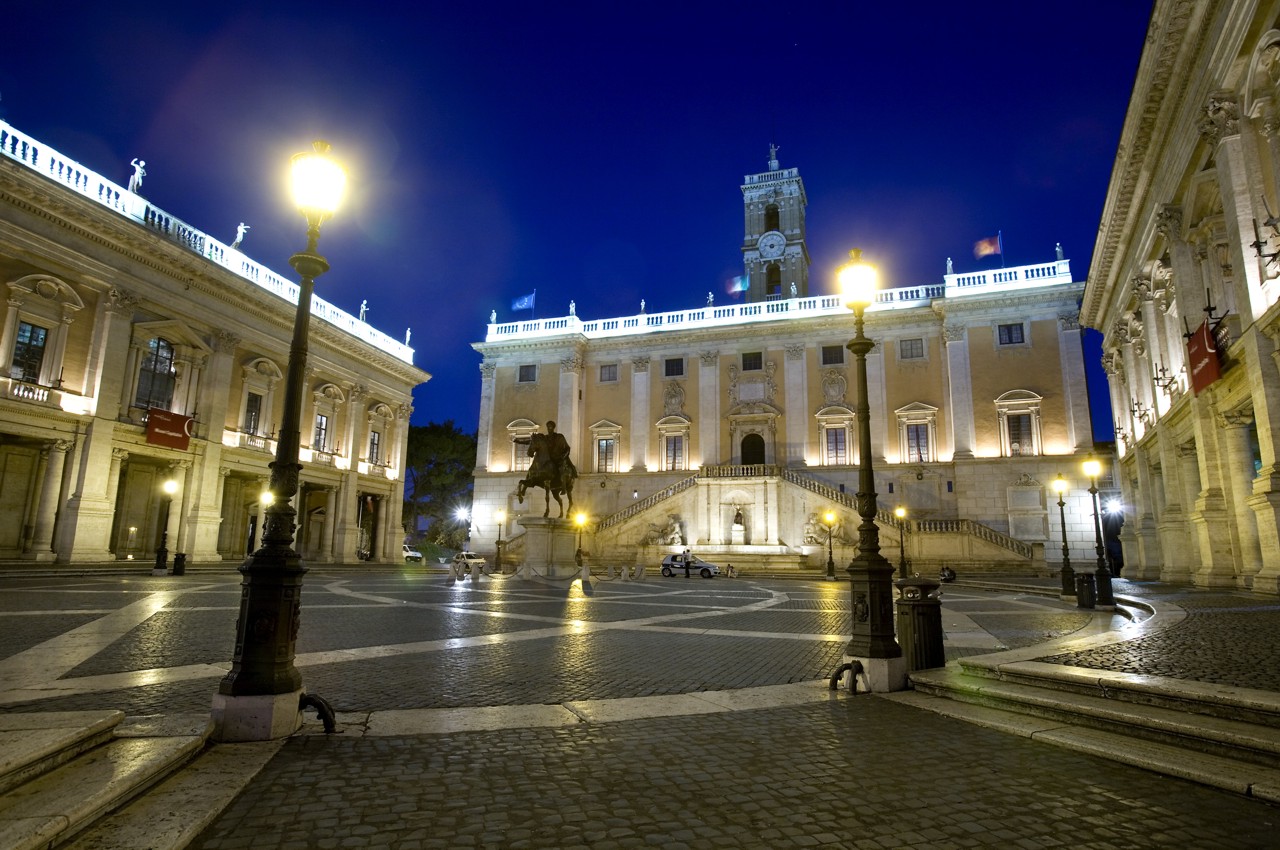
The site is seat of the municipality of Rome and the Musei Capitolini (Capitoline Museums).
The beautiful square, where we find the famous Equestrian Statue of Marcus Aurelius, is a project of Michelangelo.
You enter the Campidoglio through the Cordonata, spectacular staircase with sculptures.
Ara Coeli
The Basilica of Santa Maria in Aracoeli has ancient origins and it is a Church of reference of the Roman People.
In the various chapels valuable works of art, beautiful floor cosmatesco the Transept.
-

-

-
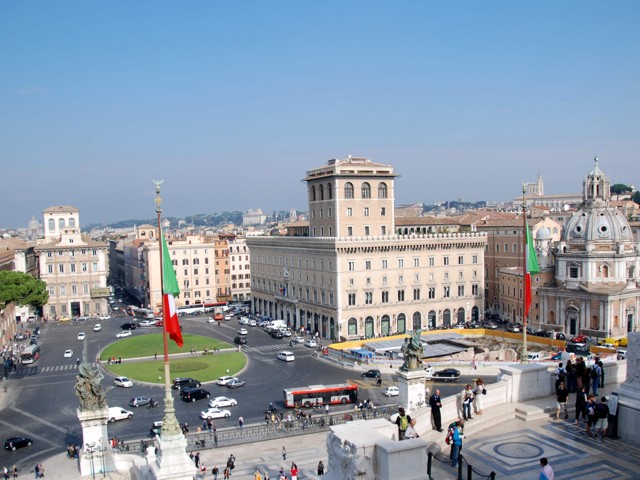
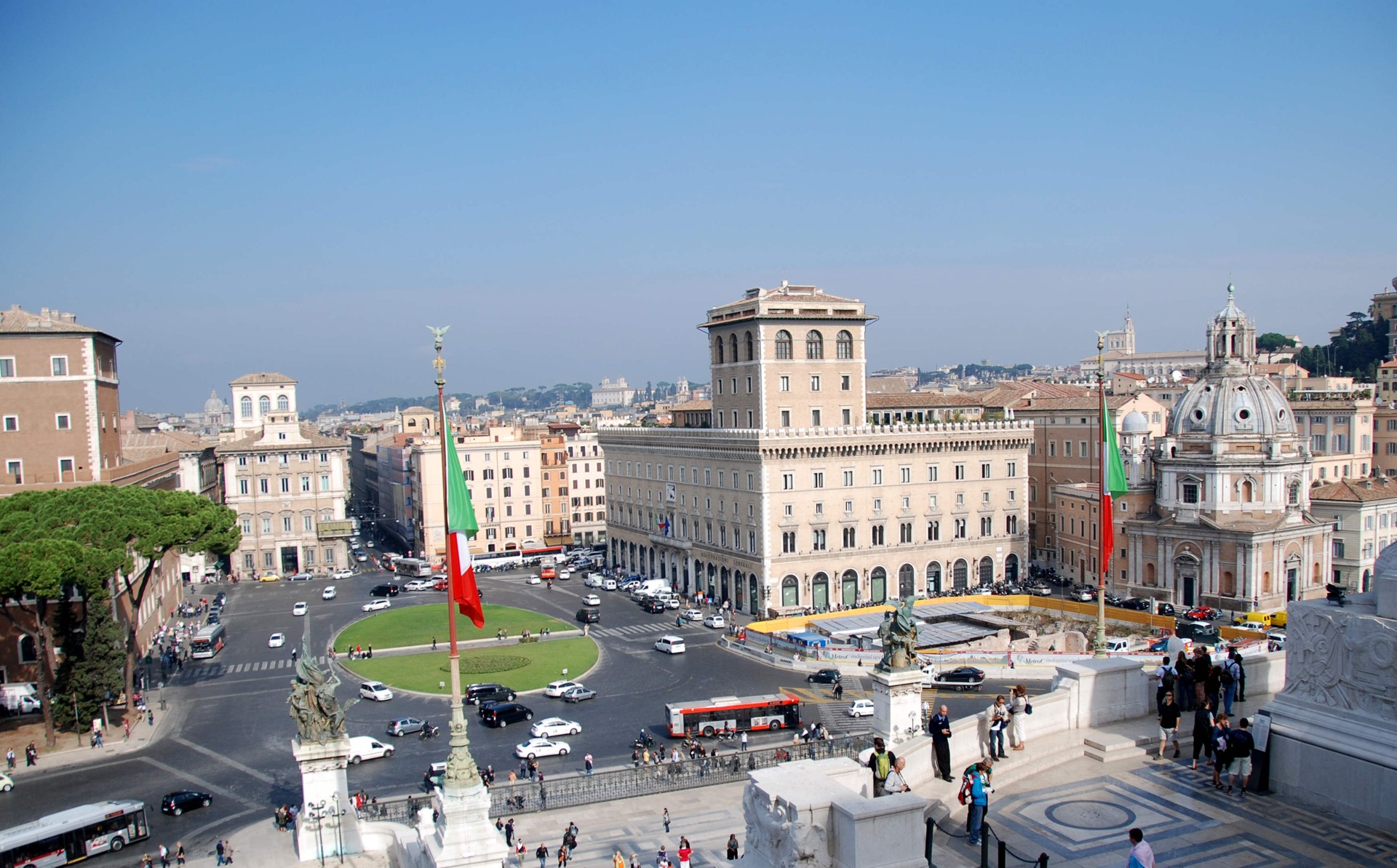
 Piazza VeneziaPiazza Venezia, at the foot of the Campidoglio, is a central point of the main streets of Rome.
Rebuilt in late '800 and '900 includes Palazzo Venezia and other palaces and churches and the mammoth Vittoriano.
-
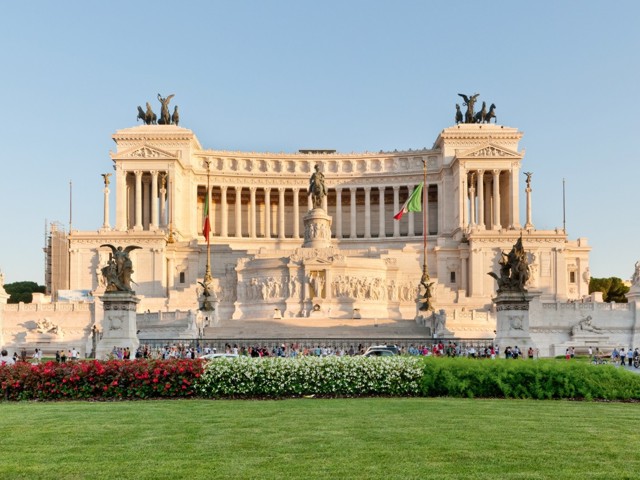
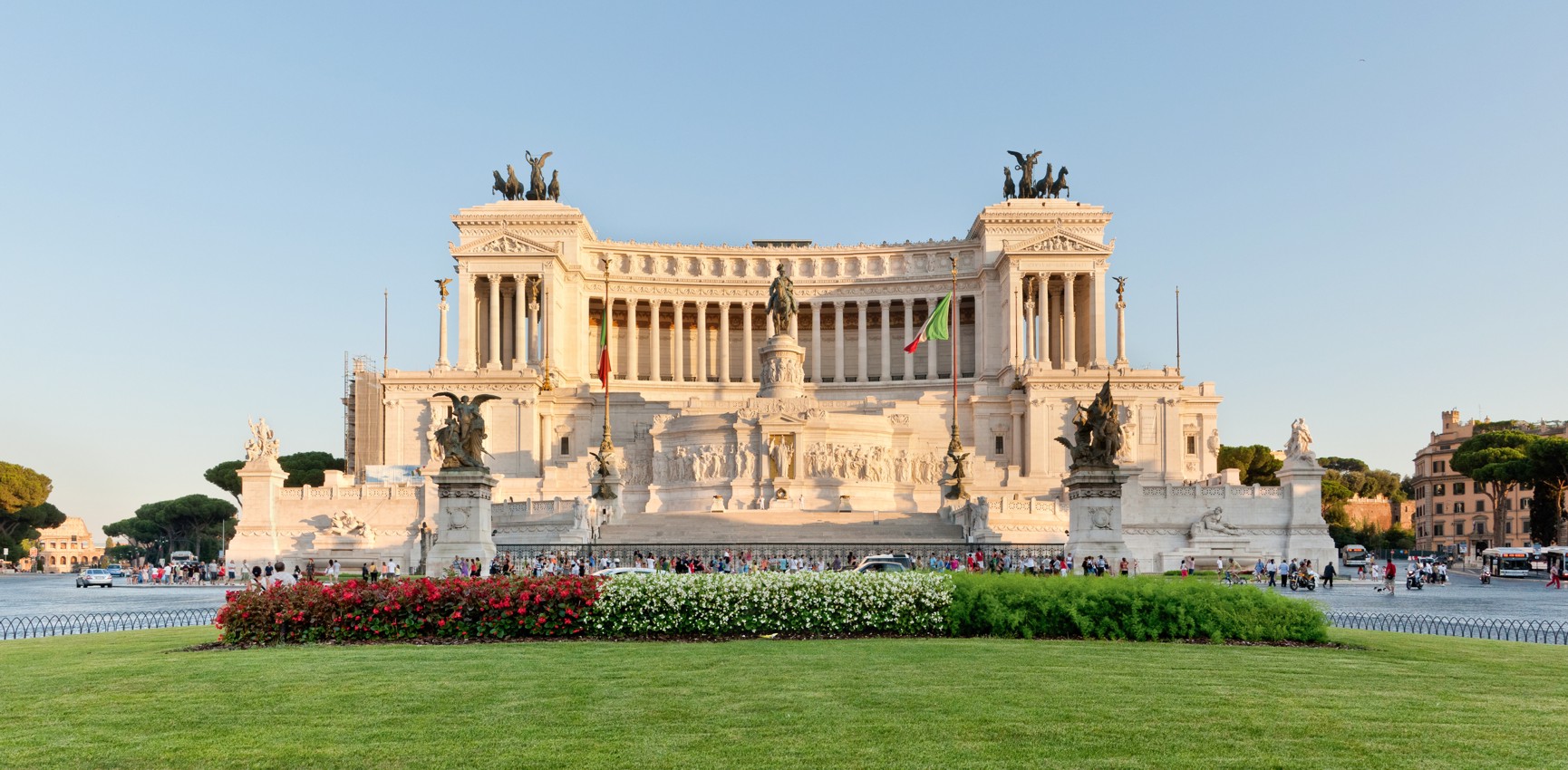
 Piazza Venezia - VittorianoThe Vittoriano is a monument to Vittorio Emanuele II (the first king of Italy) commonly identified as Altare della Patria (National Monument Altar of the Nation).
The great work includes many allegorical statues, colonnades, porticos, stairways and scenic terraces.
Preserves the Tomba del Milite Ignoto (Grave of the Unknown Soldier) and the Museo del Risorgimento.
-
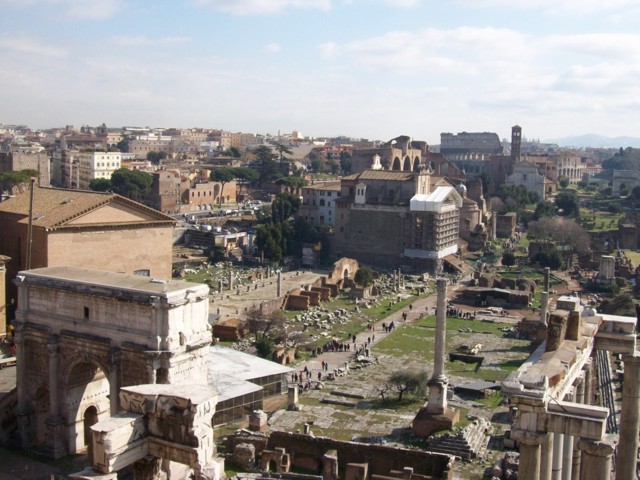
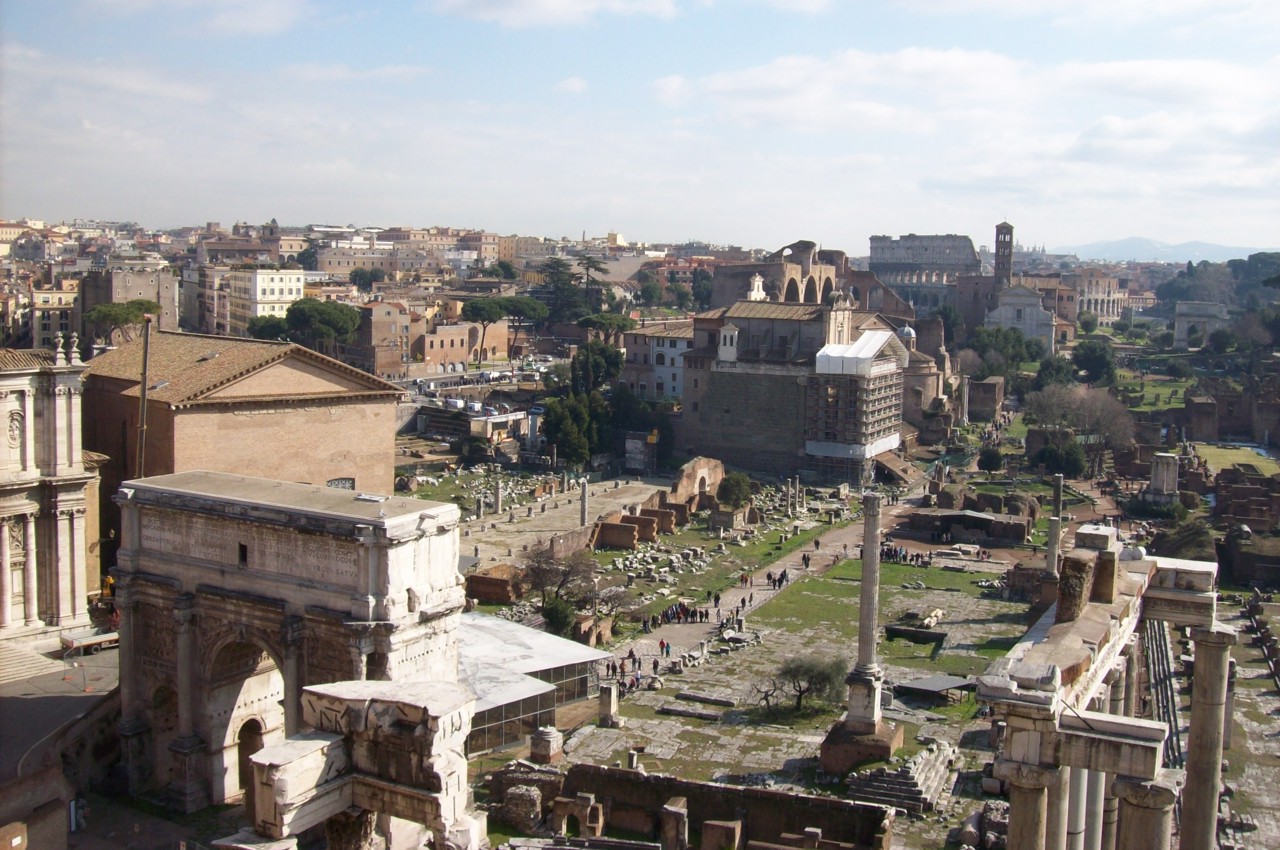
 Foro RomanoHere, in the Forum, political, social and commercial center of ancient Rome, the remains of the glory and the power of the Eternal City.
 -
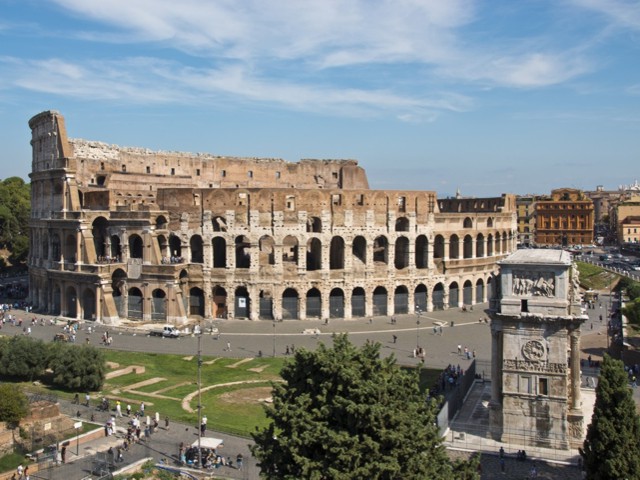
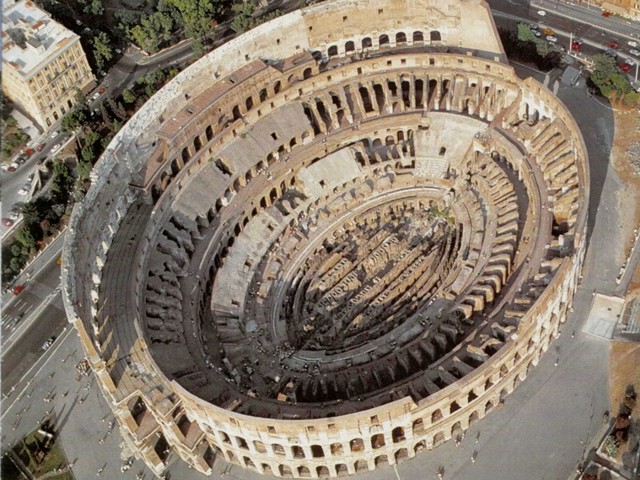
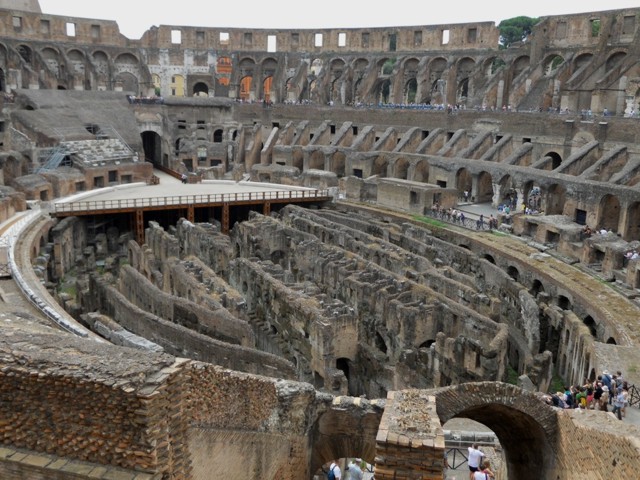
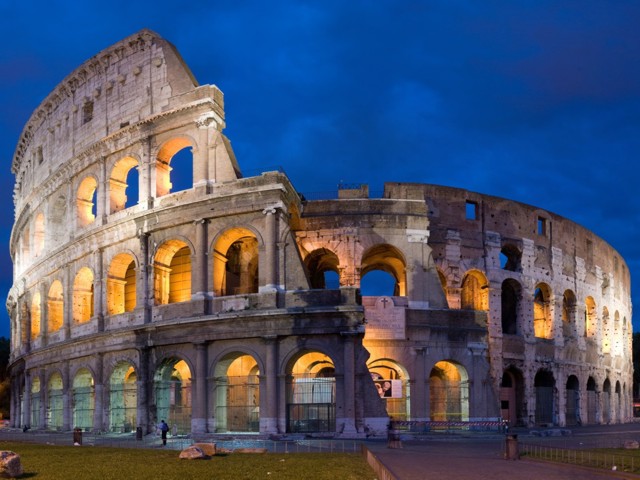
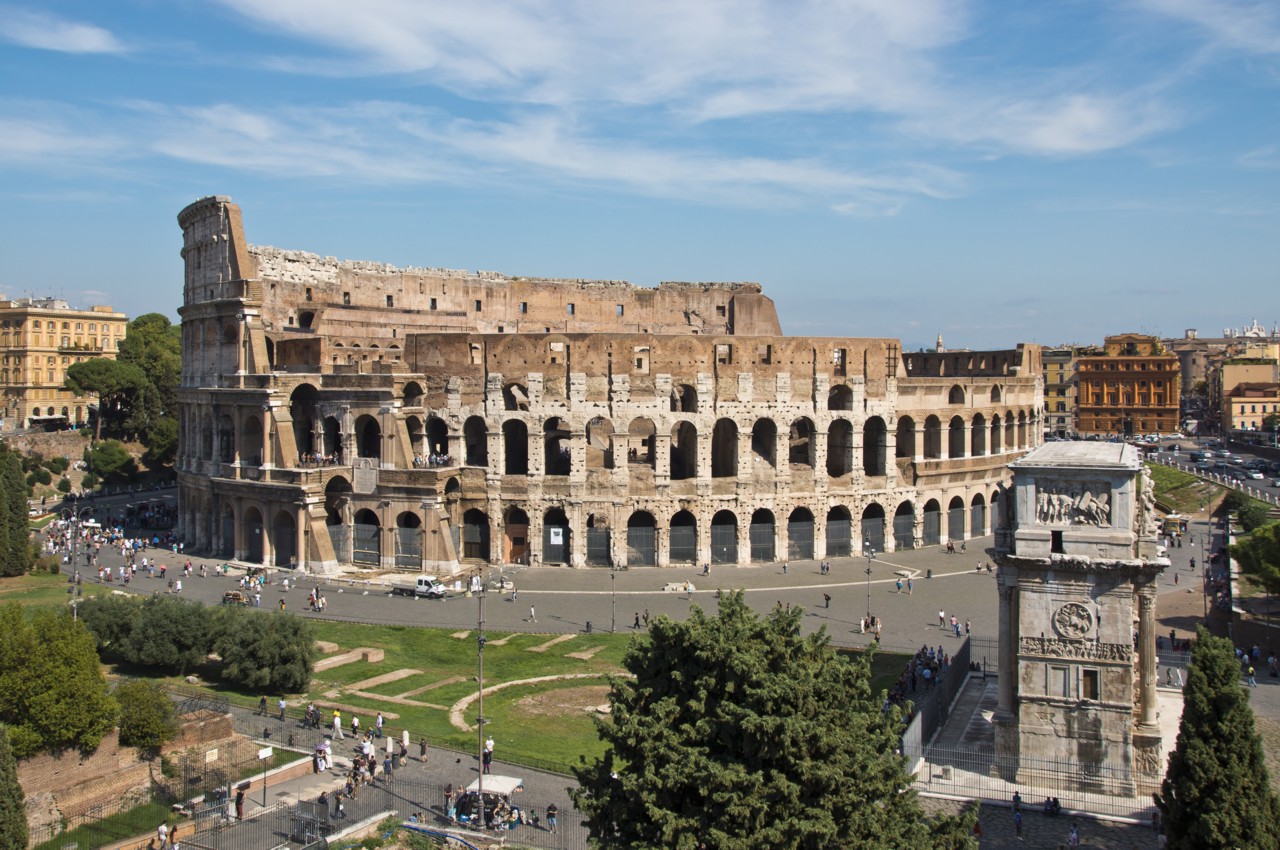
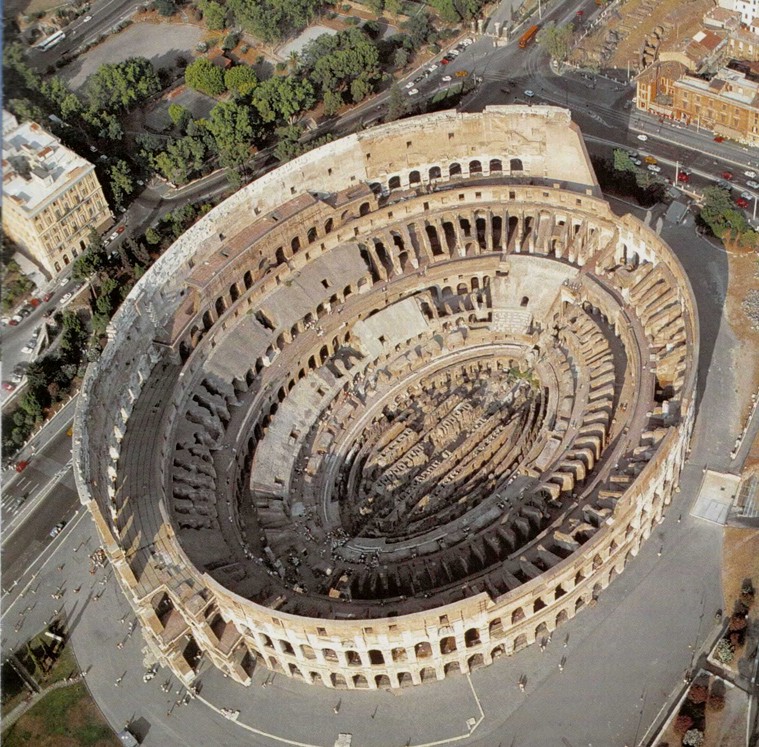
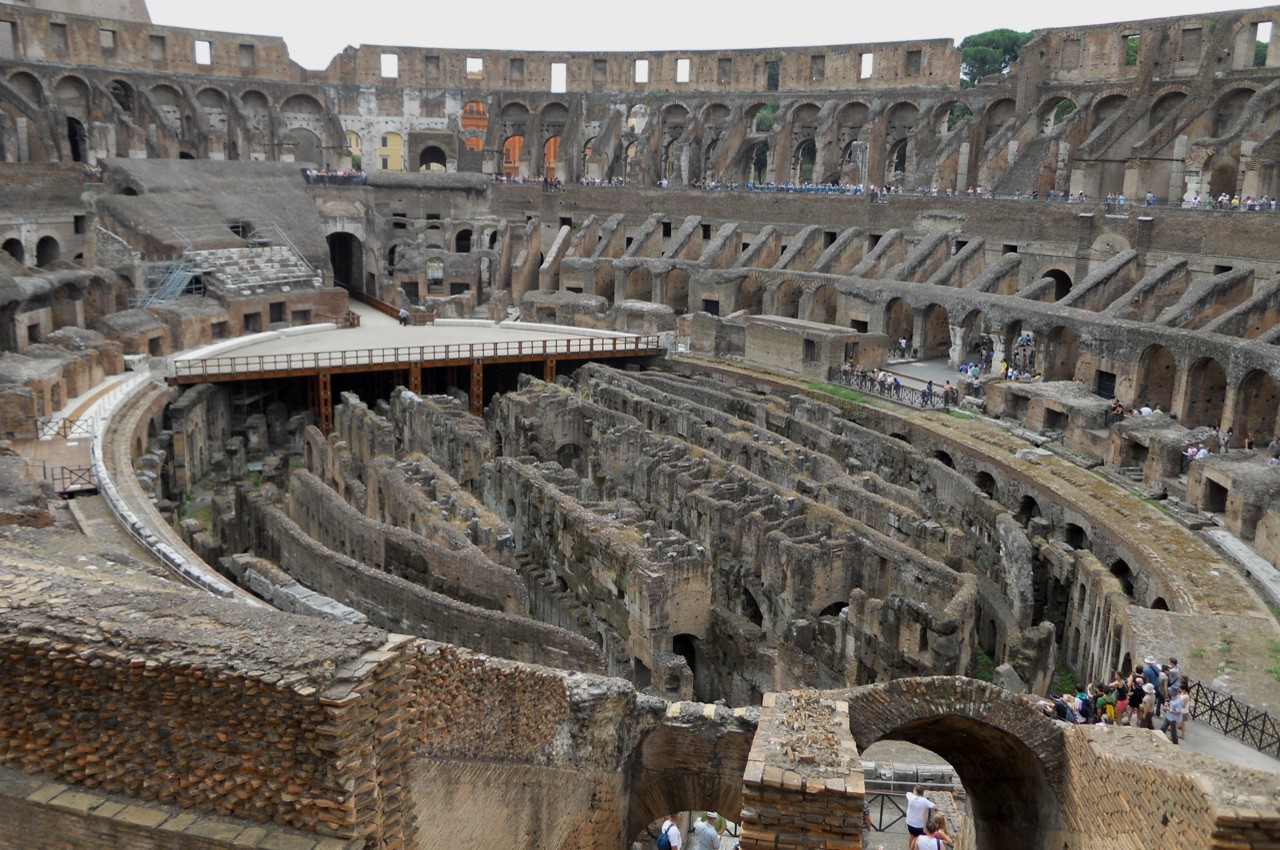
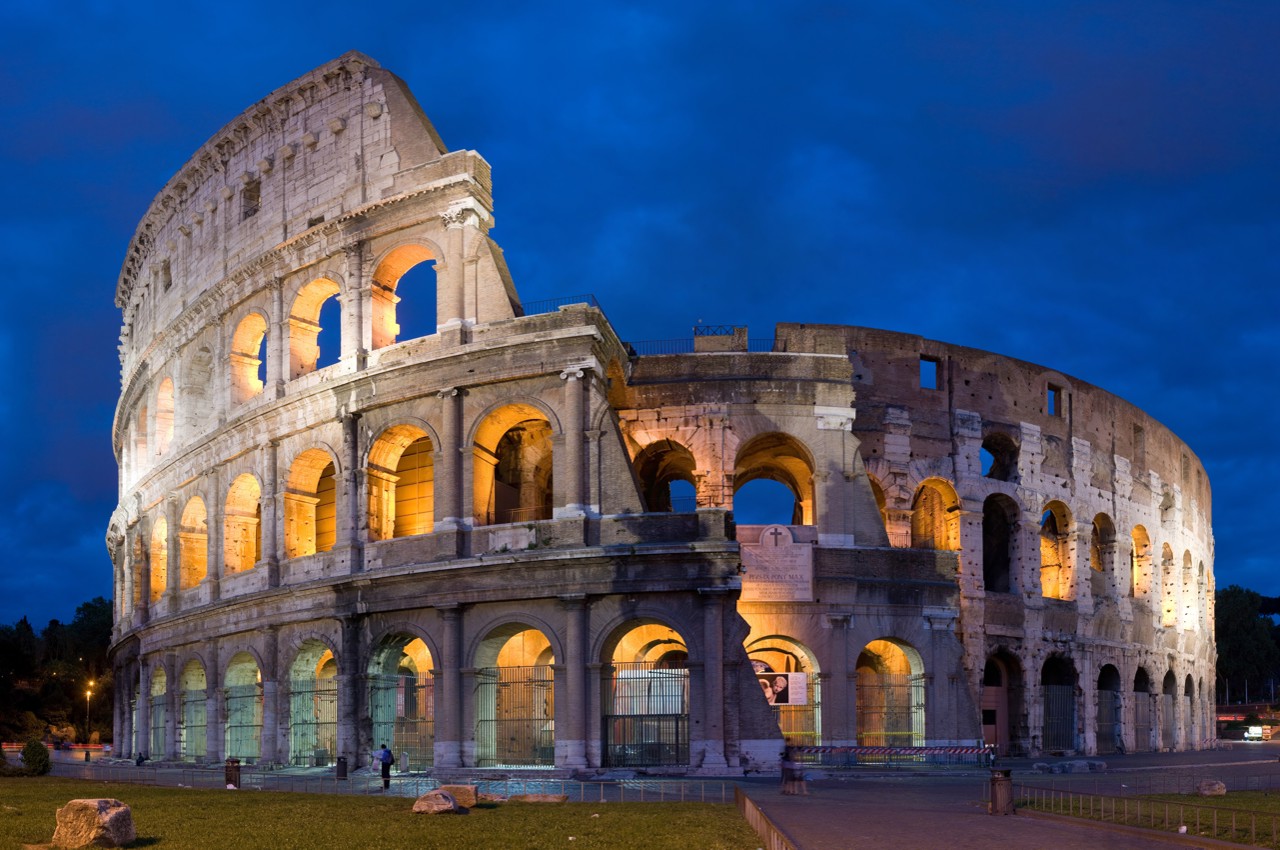
 ColosseoThe Colosseum, or Amphitheatrum Flavium (72-80 AD), UNESCO World Heritage Site, the symbol of Rome, considered one of the New Seven Wonders of the World is the most impressive and famous amphitheater in the world, visited by millions of people every year.
-

-

-

-
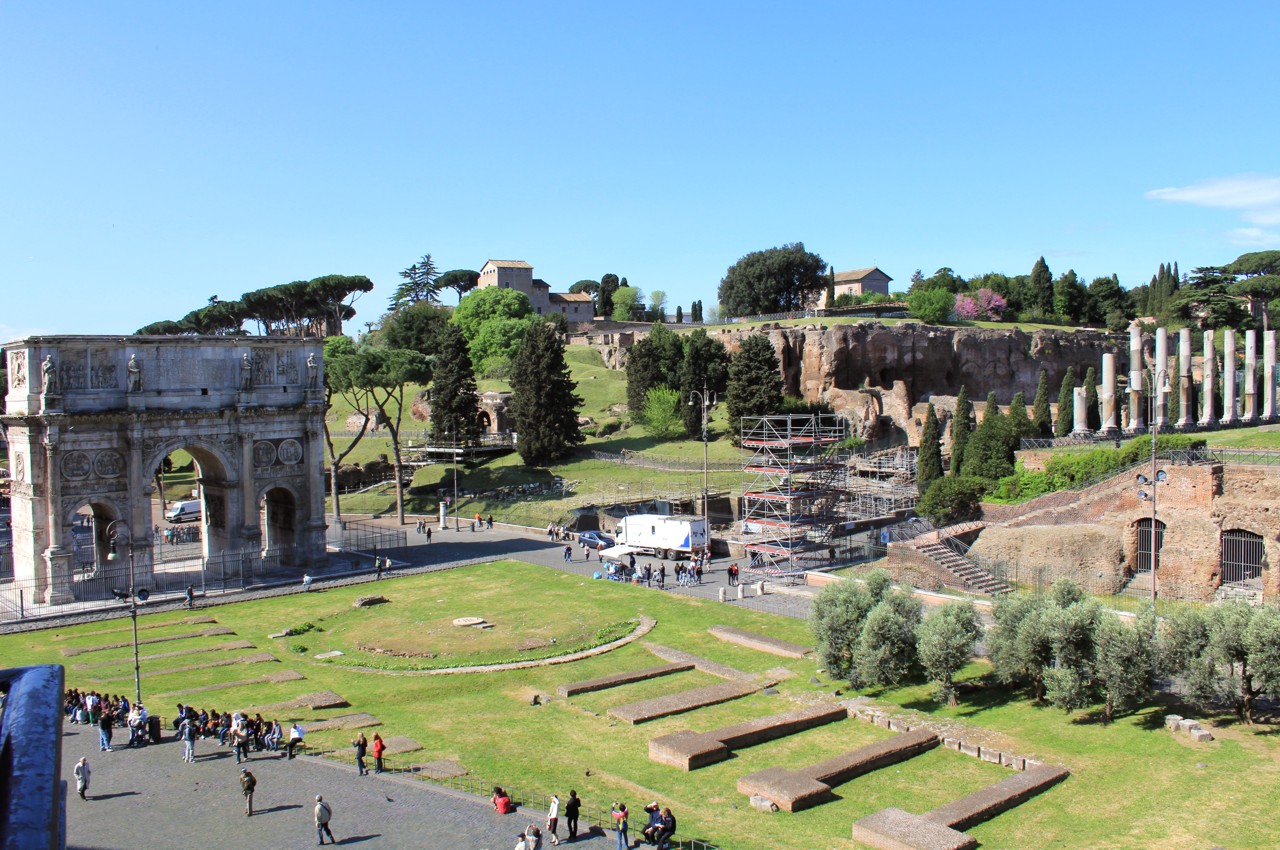
 PalatinoOne of the oldest place of the city, the Palatino is a great and impressive open-air museum.
 -
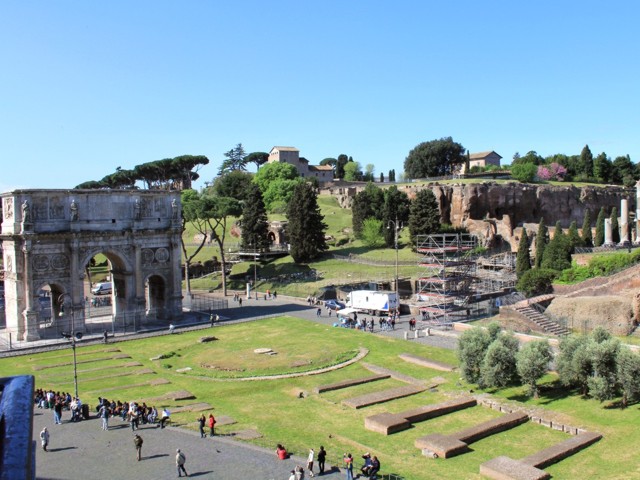
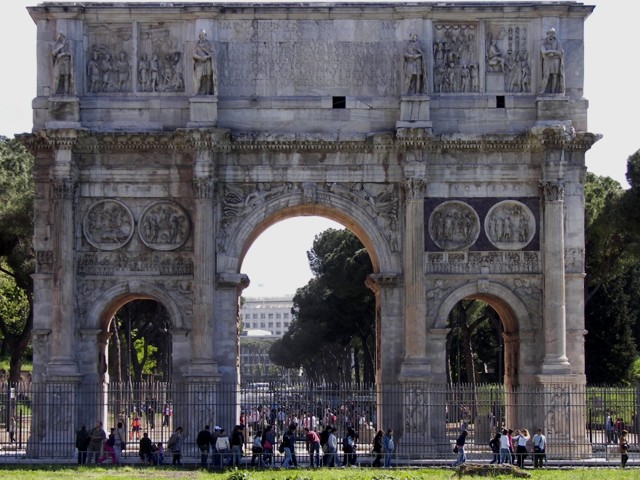
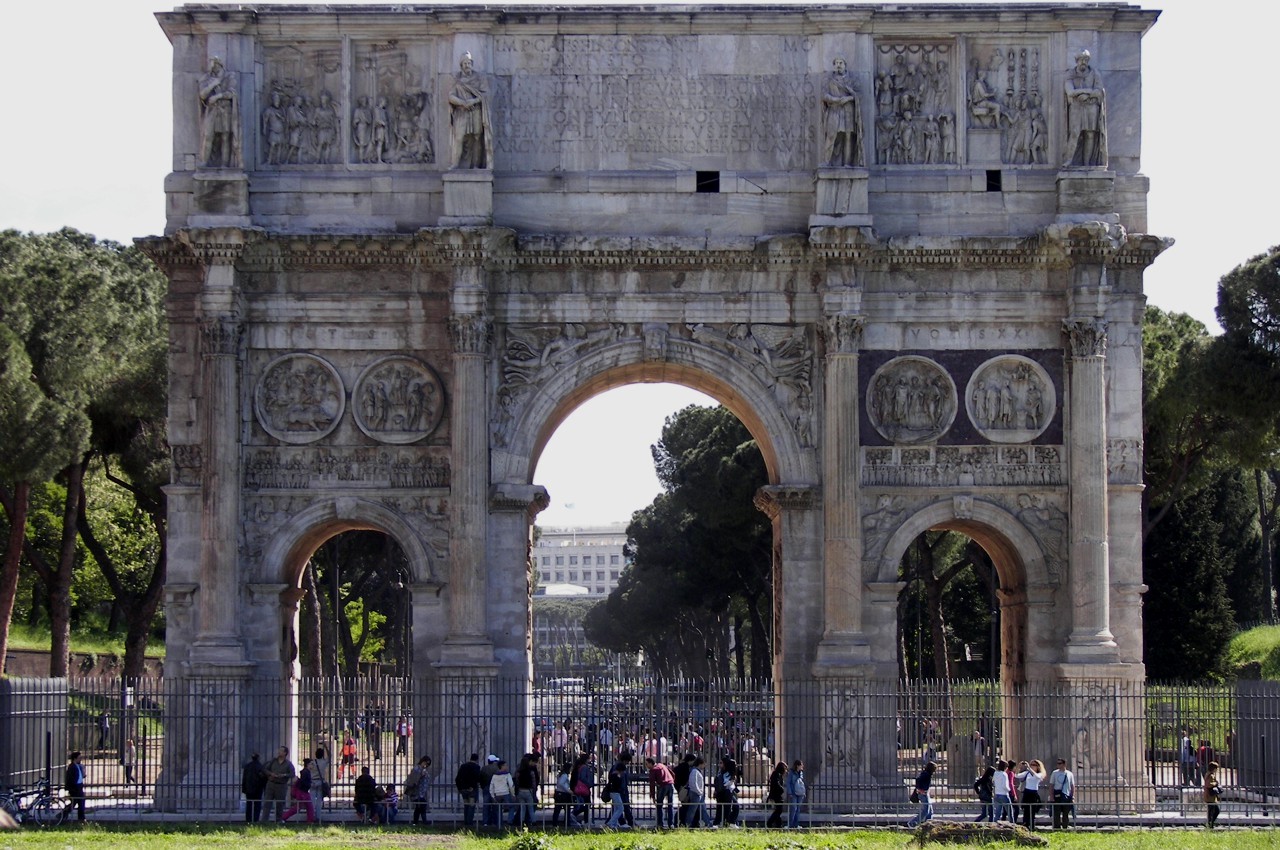
 Arco di CostantinoTriumphal arch dedicated by the Senate to Constantine I (315 AD) to commemorate the victory over Maxentius in the Battle of Milvian Bridge (312 AD)
The arch, full of friezes, reliefs and decorations, is a sort of museum of Roman sculpture of considerable historical importance.
-
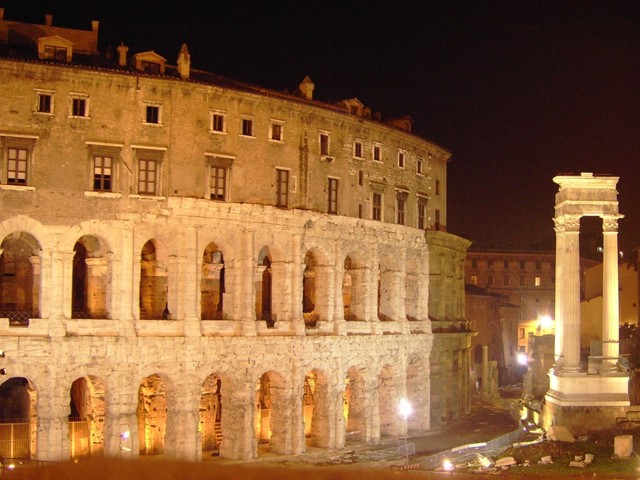
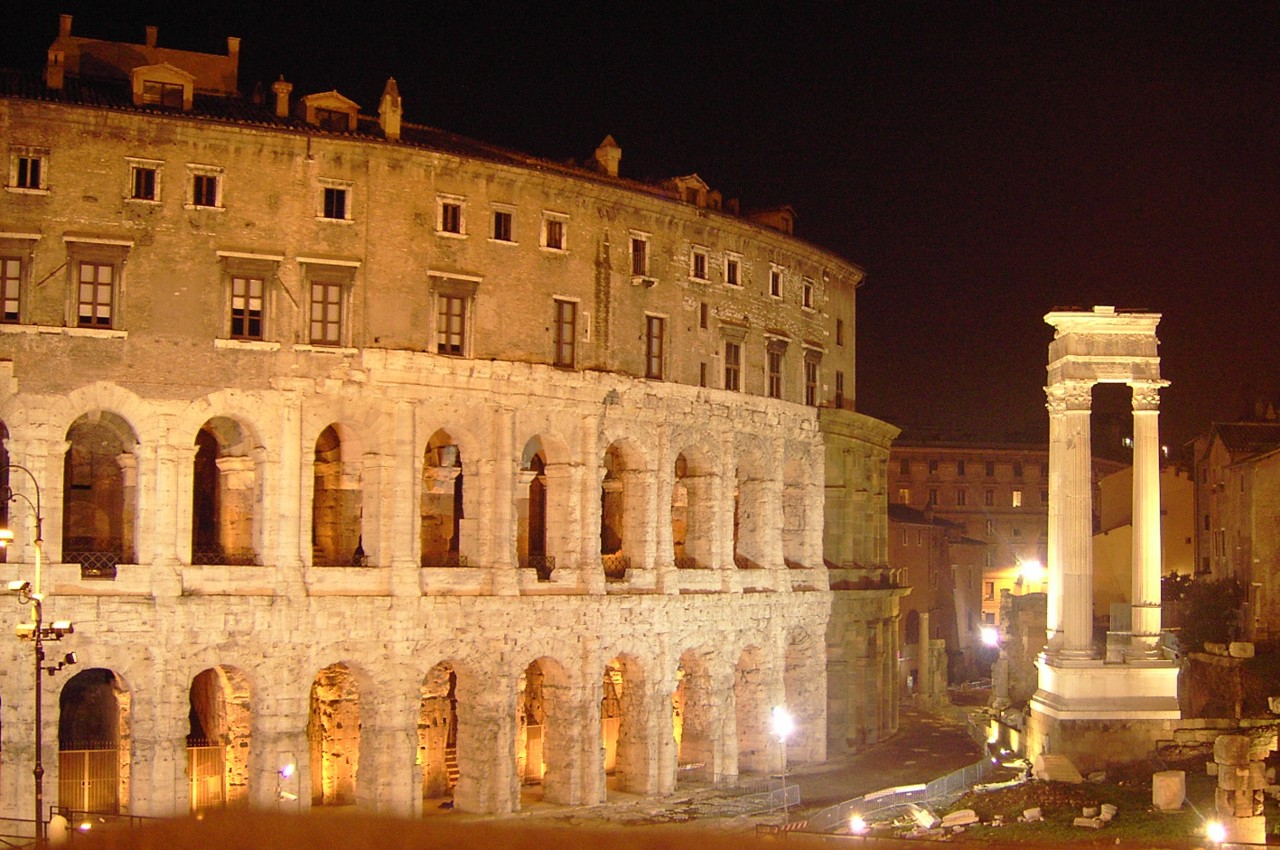
 Teatro di MarcelloDating back to 13 BC, the Teatro di Marcello was conceived especially for the Ludi Scaenici, sumptuous events of the late Republican era.
-
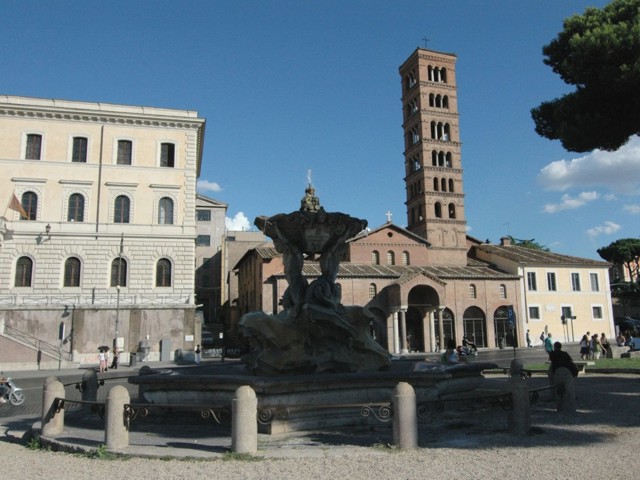
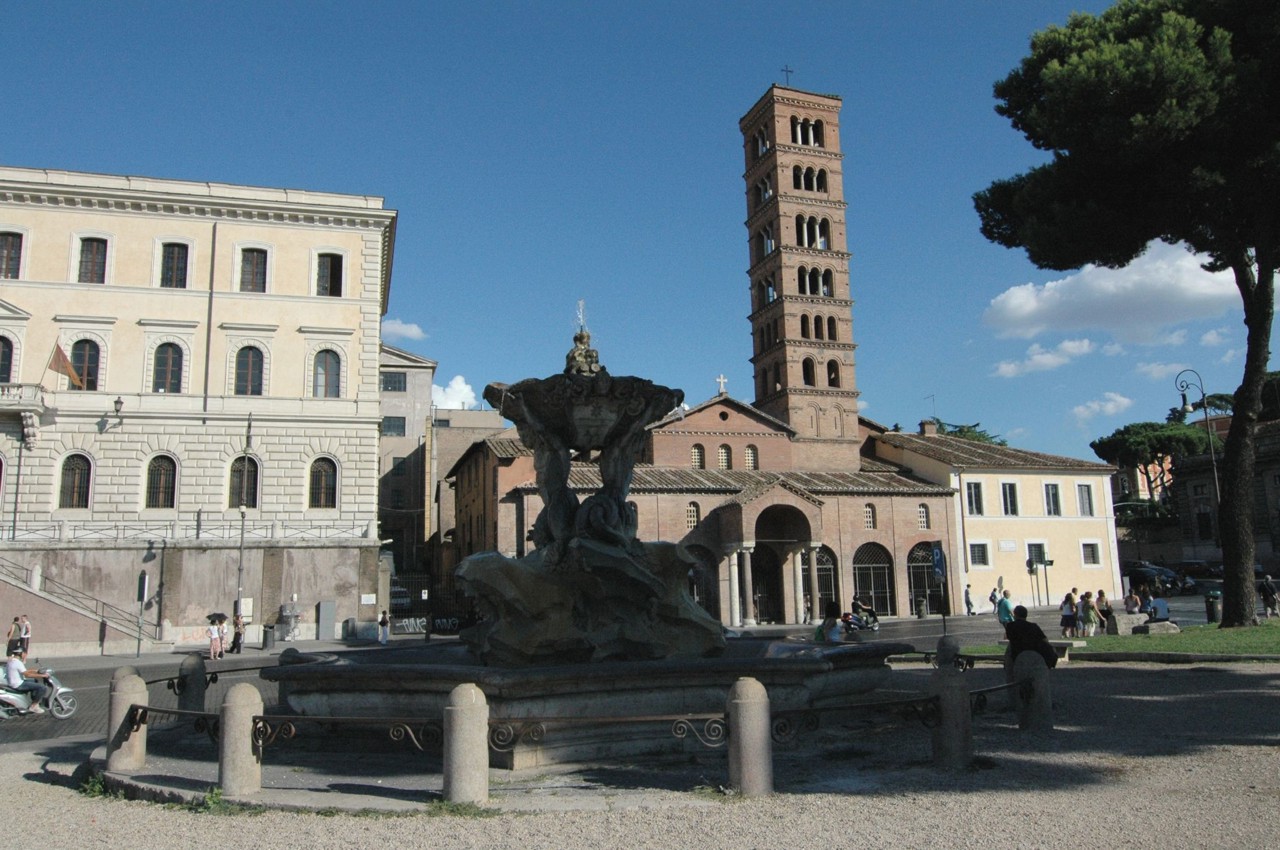
 Santa Maria in CosmedinThe basilica dates back to centuries VI A.D. with subsequent interventions in the following centuries.
 -
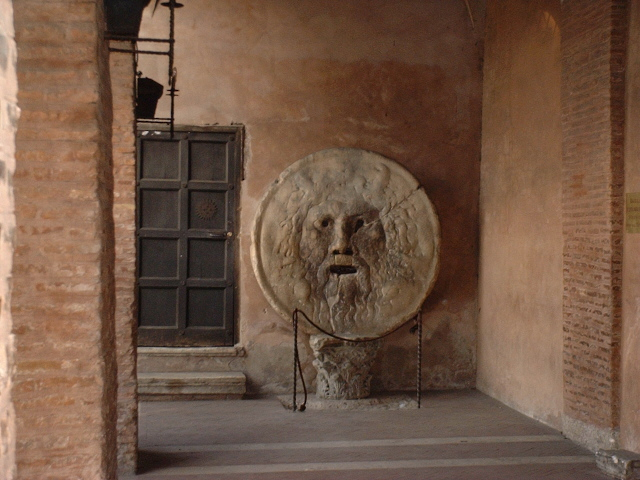
 Bocca della VeritàAncient mask in marble to whom myths and legends confer the power to pronounce oracles, curious and fun tourist attraction.
 -
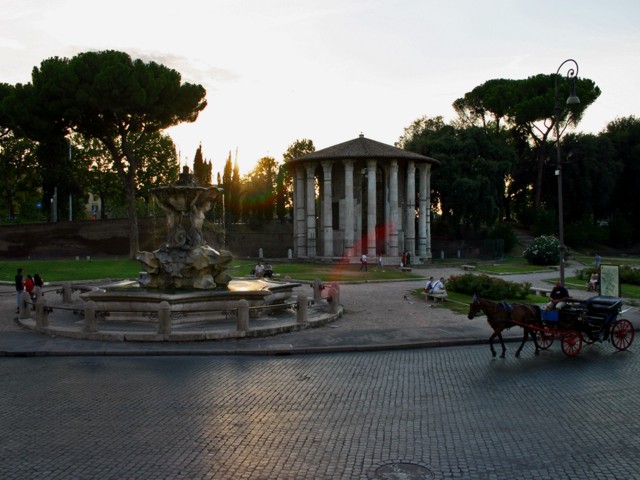
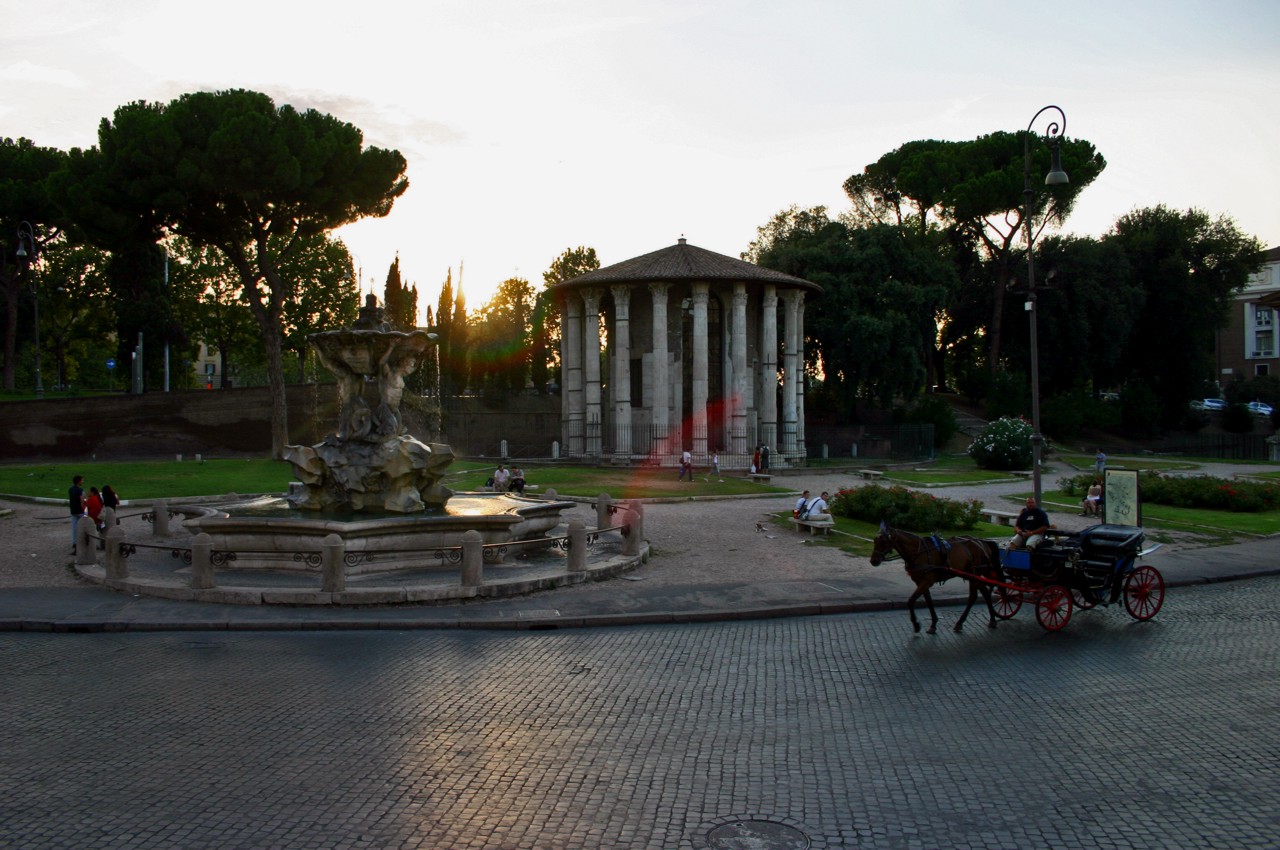
 Tempio di Ercole VincitoreThe temple, the oldest marble (about 120 BC), represents the emerging power of the class of merchants in Rome.
 -
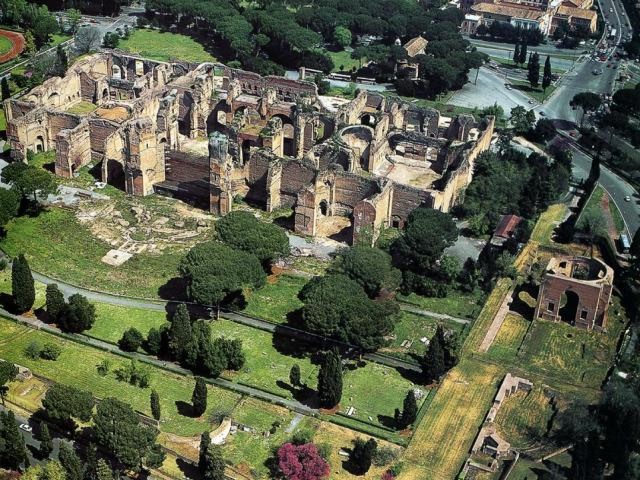
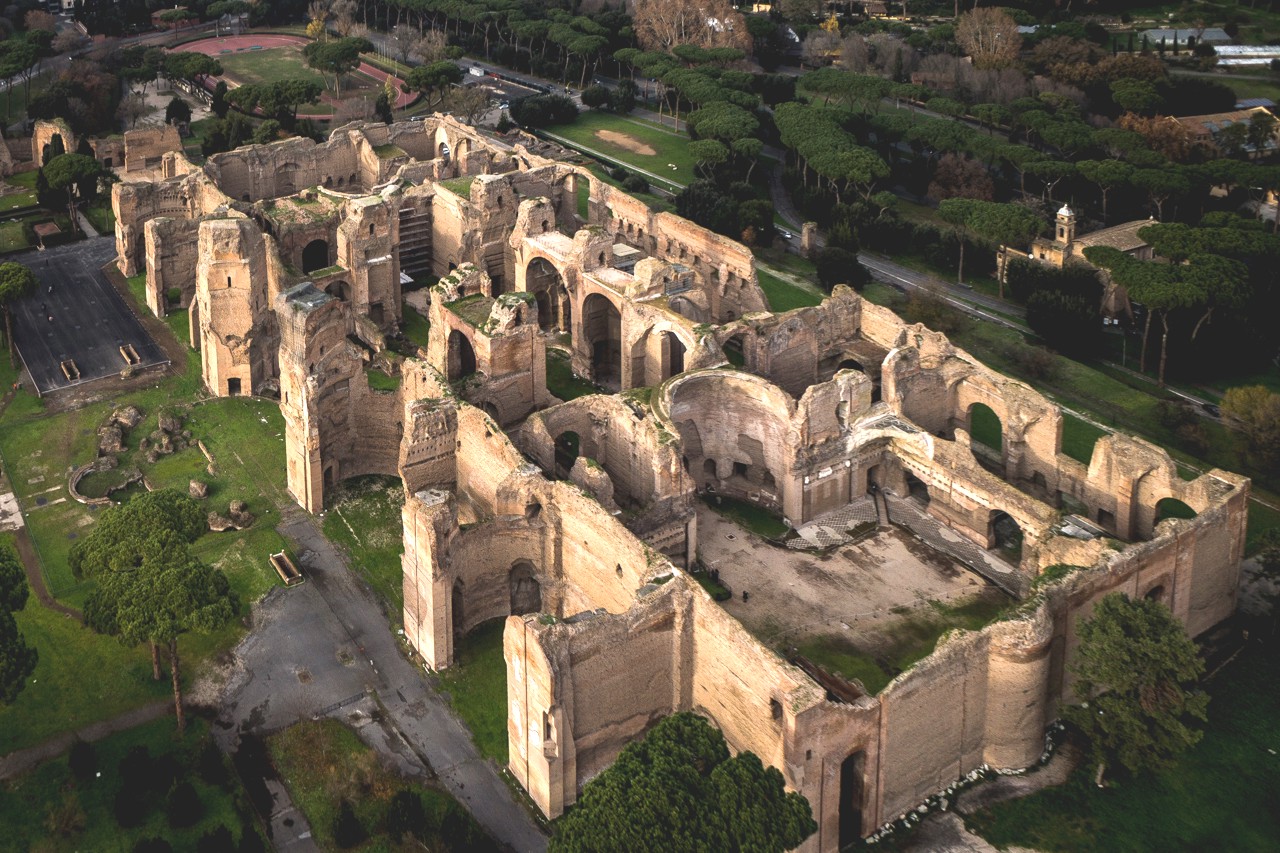
 Terme di CaracallaWell-preserved evidence of the big and sumptuous spas dedicated to the people of the Roman Empire (212-217 AD).
 -
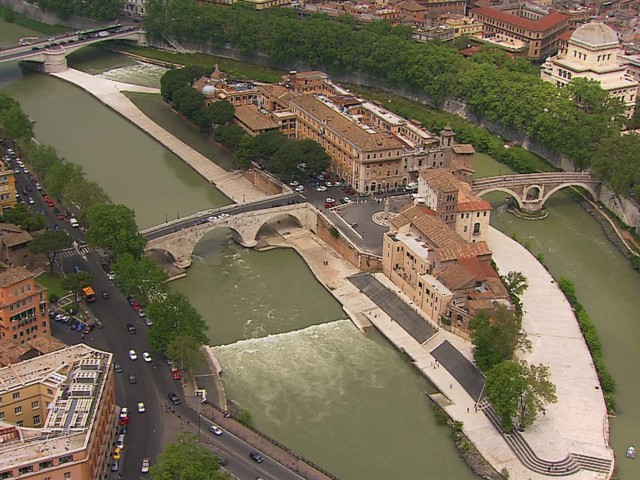
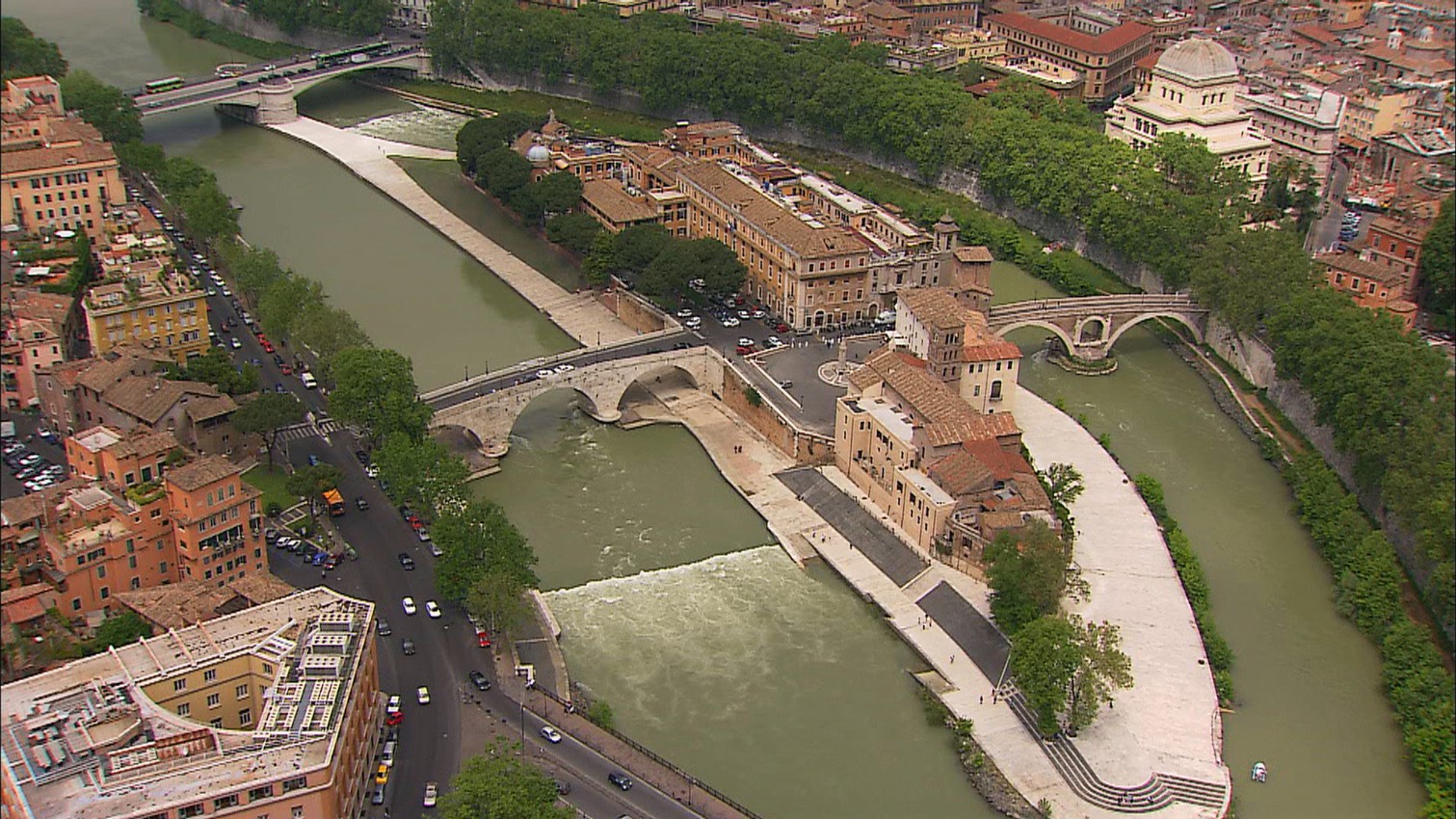
 Isola TiberinaScenic urban island of the Tiber in the center of Rome, it hosts since 2010 cultural events on the big Italian and international cinema.
 -
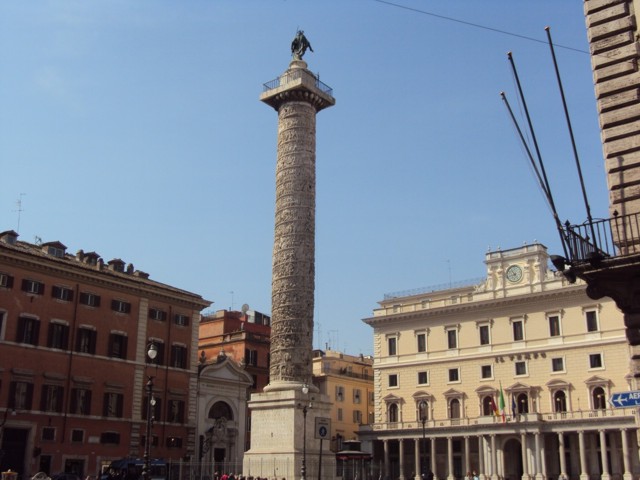
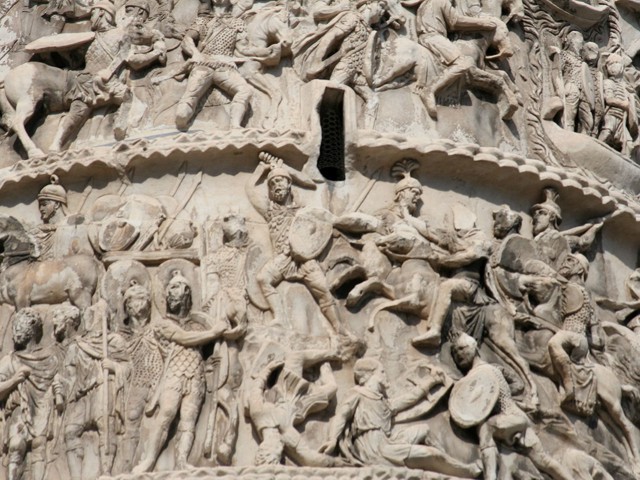
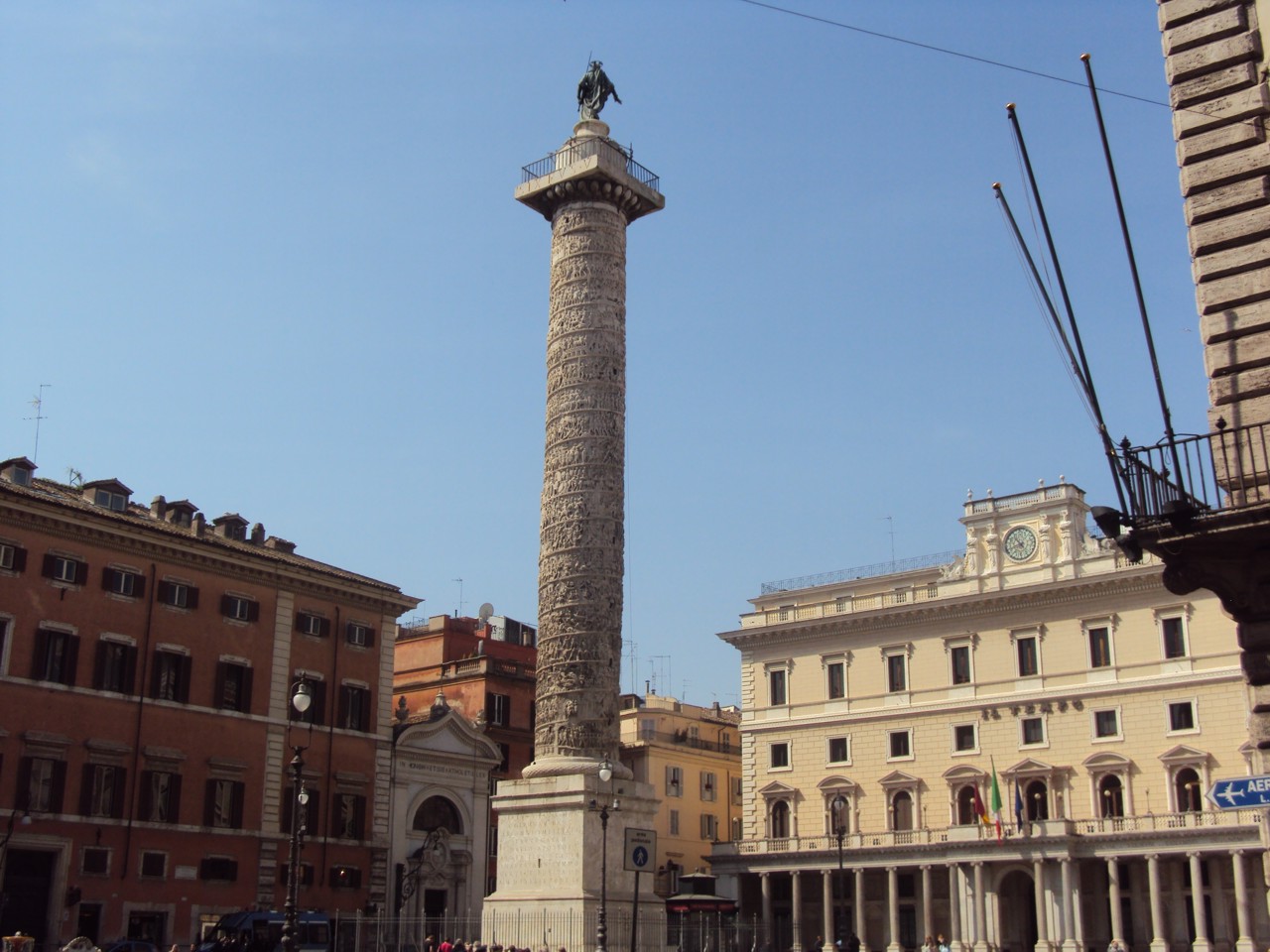
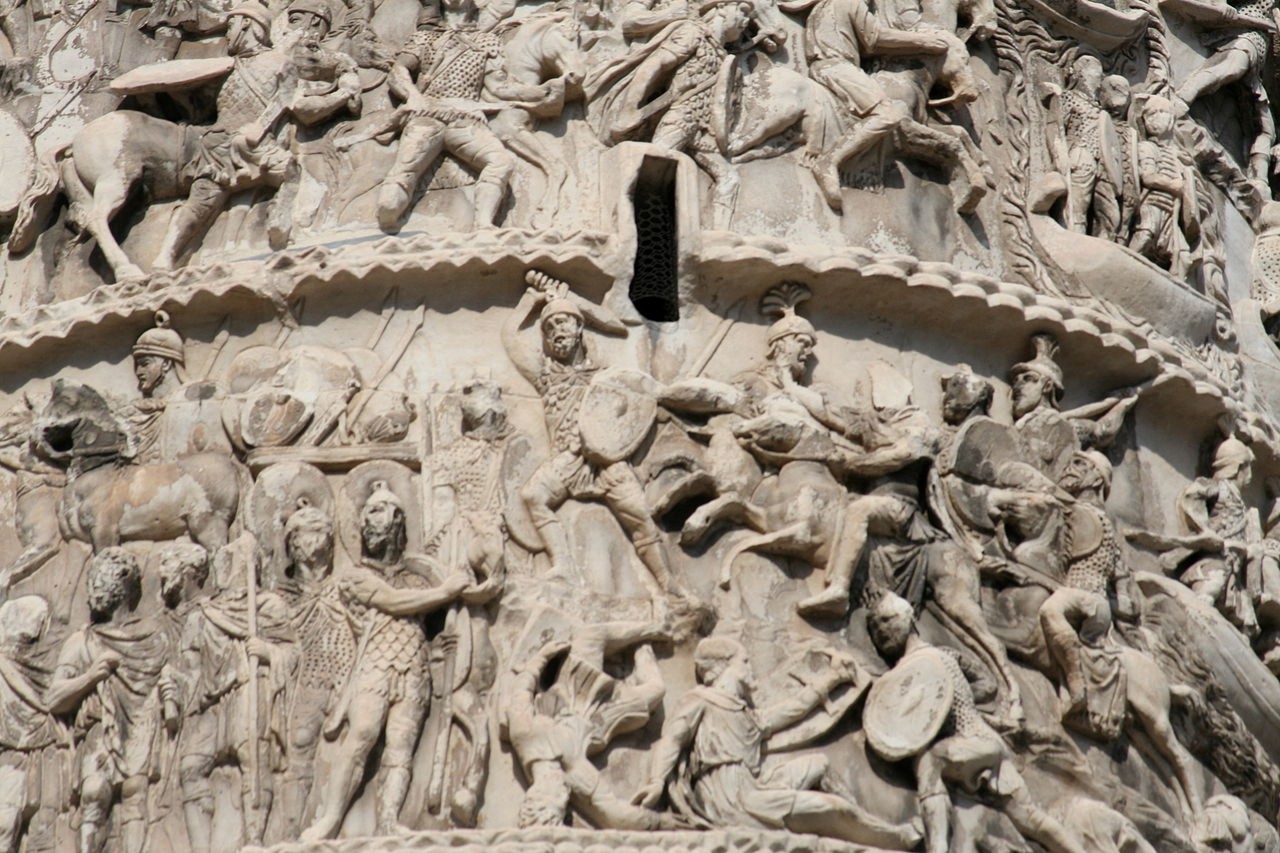
 Colonna AurelianaThe column, erected in AD 176-192, celebrates the victories of Marcus Aurelius over the Germanic peoples.
The monument is almost 30 meters high and consists of a spiral sculptural frieze that rolls up the column for an extension of about 110 meters with high reliefs depicting scenes of battles.
-

-
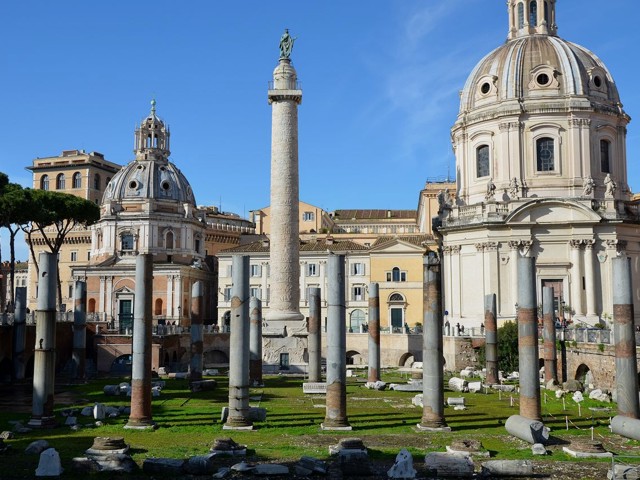
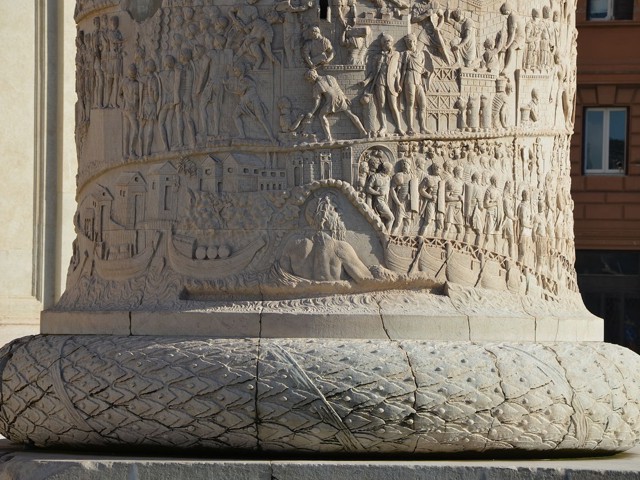
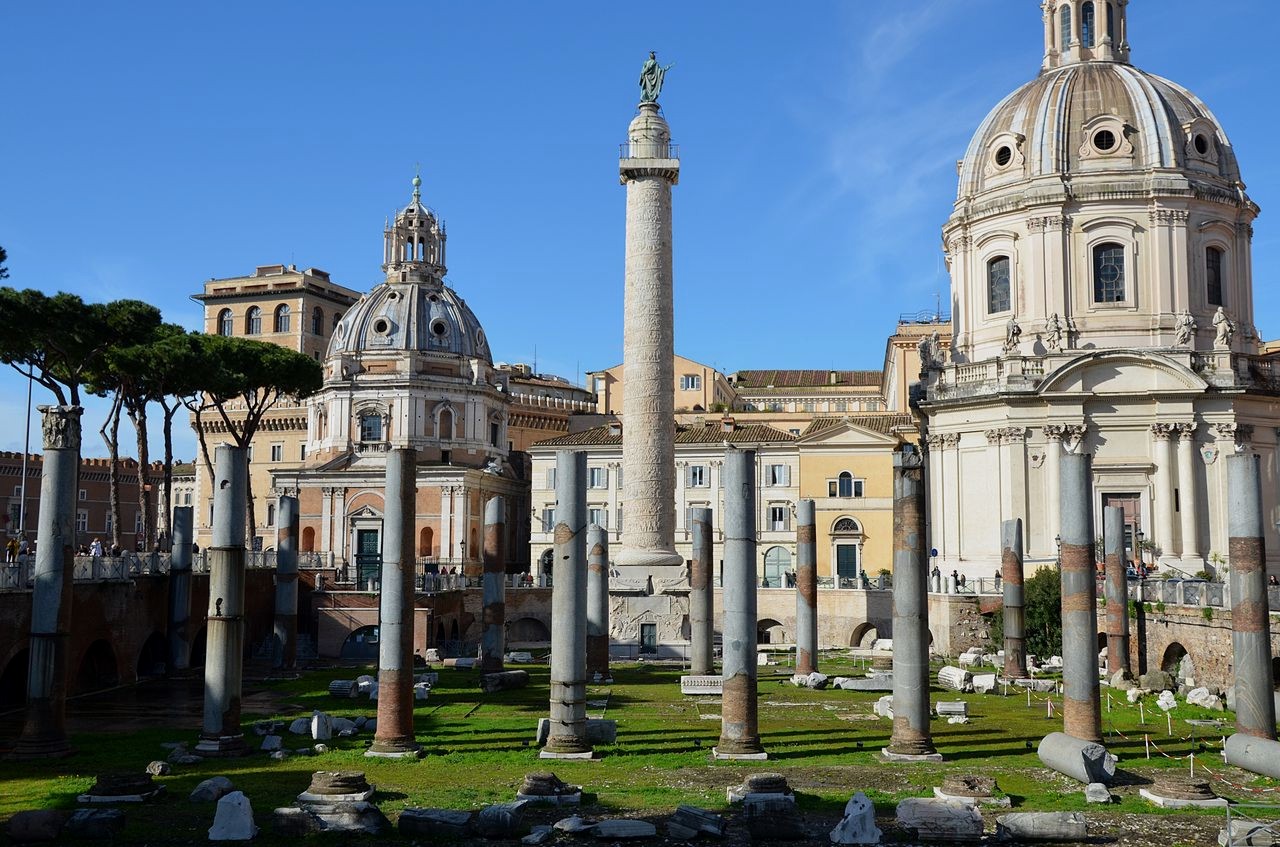
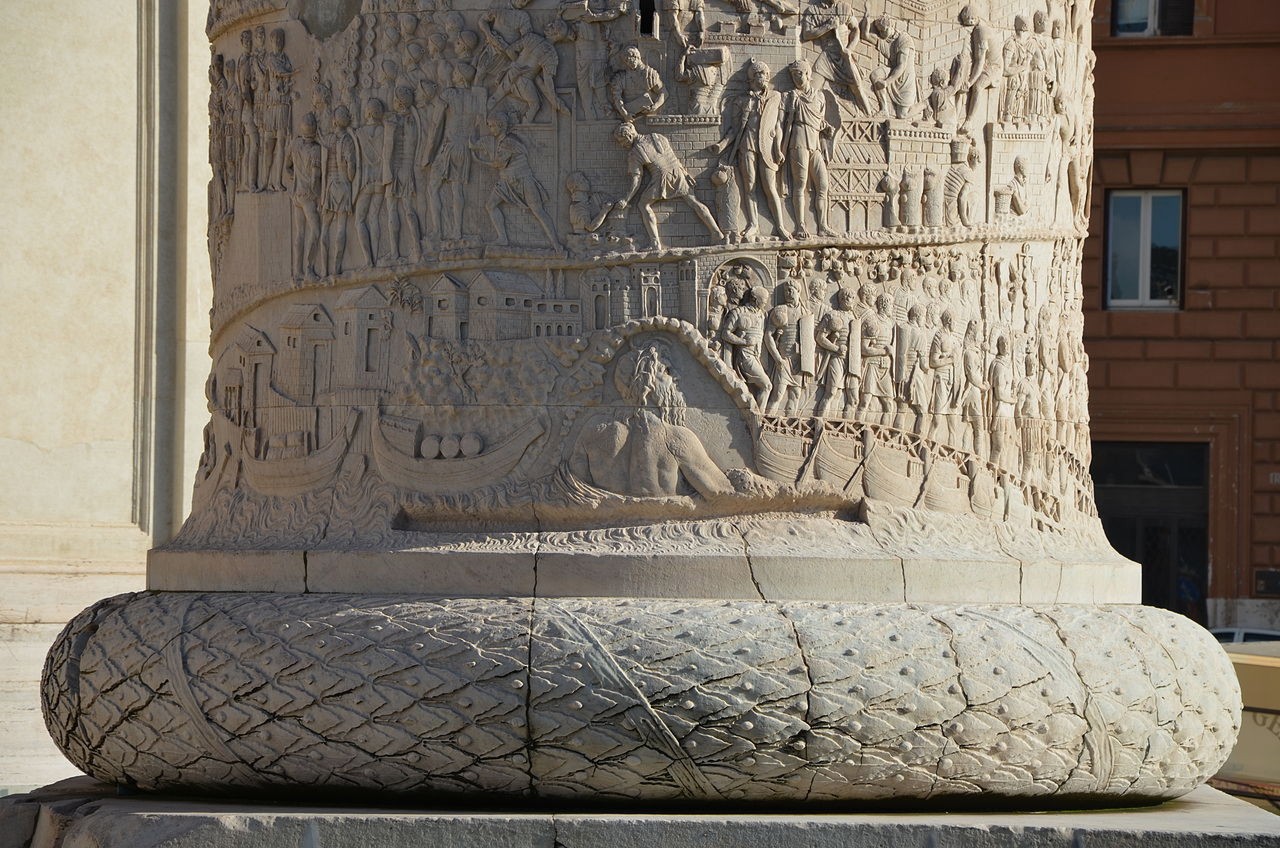
 Colonna TraianaThe column, erected in 113 AD, celebrates the conquest of Dacia (101-106 AD) by the Emperor Trajan.
The monument is almost 30 meters and consists of a historiated sculptural frieze that is spiral rolled on the column for an extension of about 200 meters with a height of 0.89 to 1.25 meters.
The frieze depicts the events chronologically through 100-150 scenes and 2500 figures (reliefs).
This work, the first coclide column ever erected, is a new original and avant-garde art of the Roman ancient historical relief.
-

-
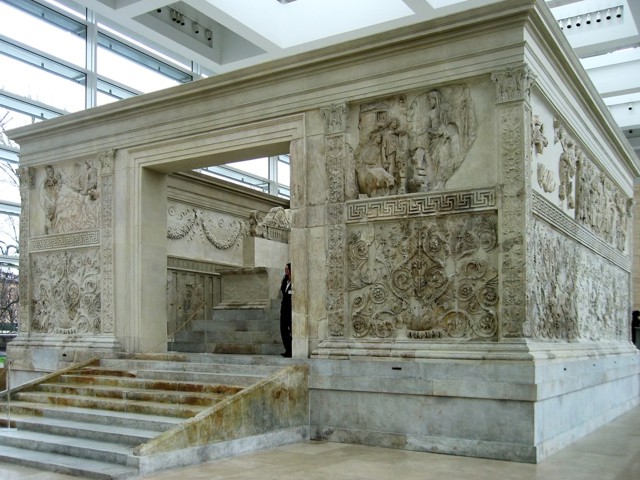
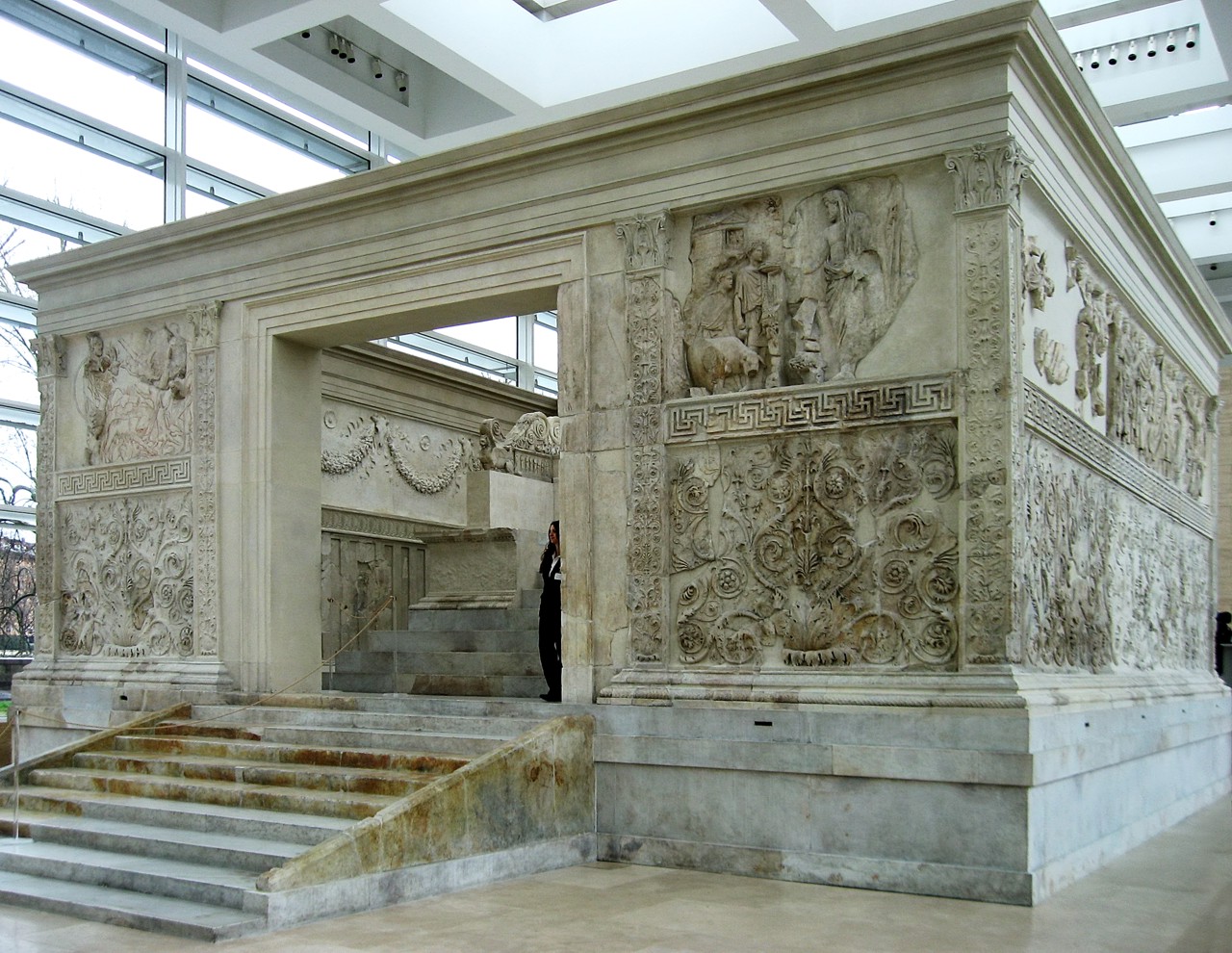
 Ara PacisThe Ara Pacis Augustae is a monument of 9 BC dedicated to Augustus by the Senate for the achieved peace (Pax Romana).
 -
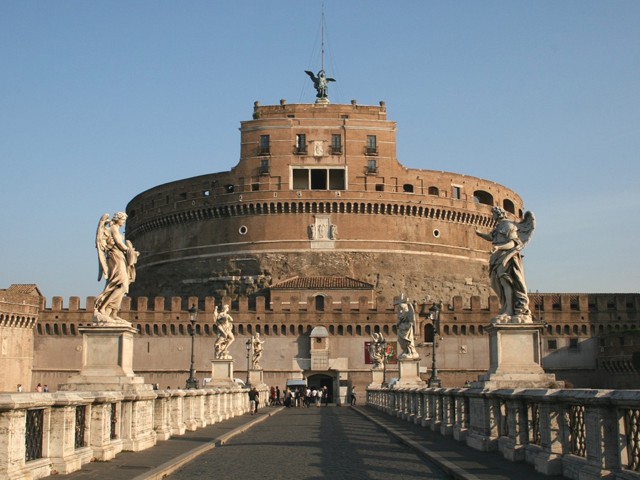
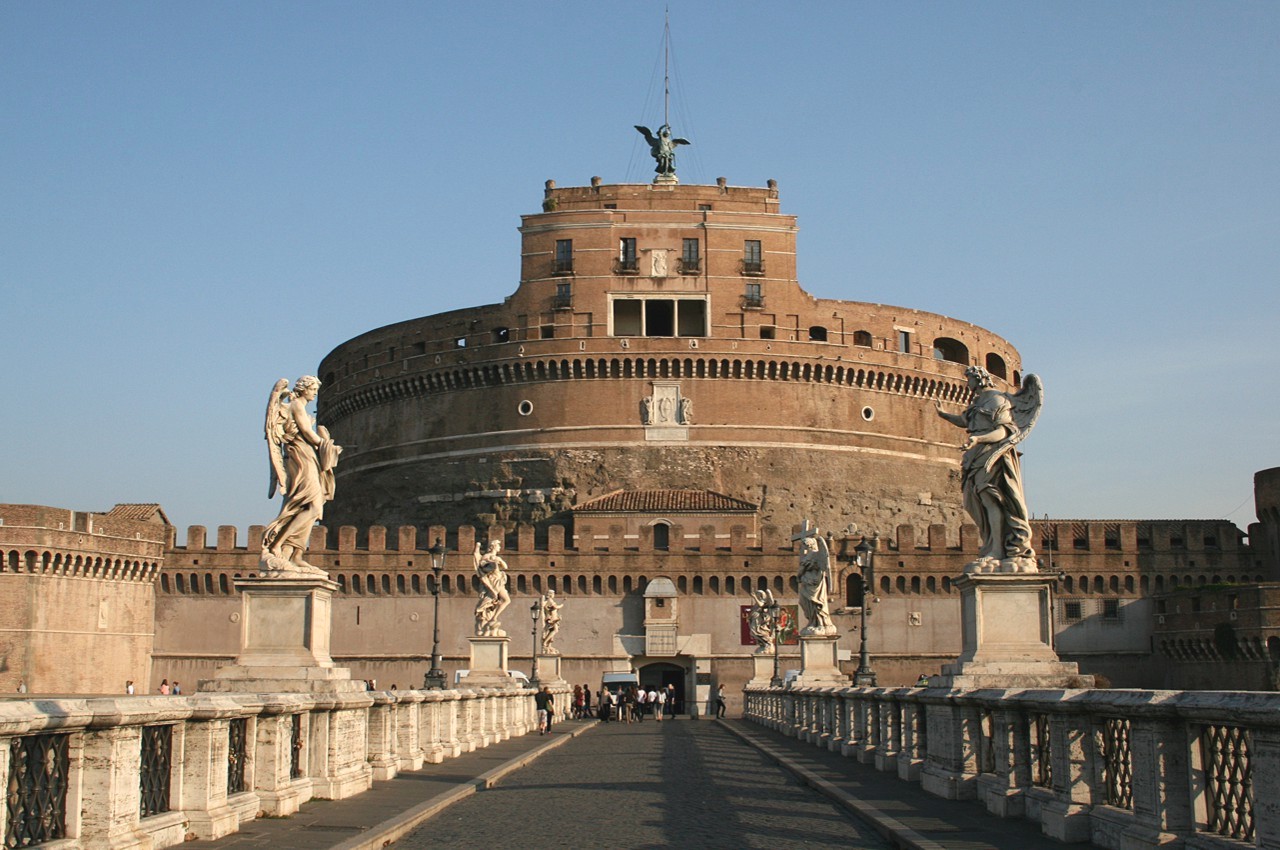
 Castel Sant'AngeloConceived by Hadrian as his mausoleum in 125 AD, the building weas transformed over the centuries into a fortress
Very original work, the castle is connected to the Vatican through a fortified corridor called Passetto.
-
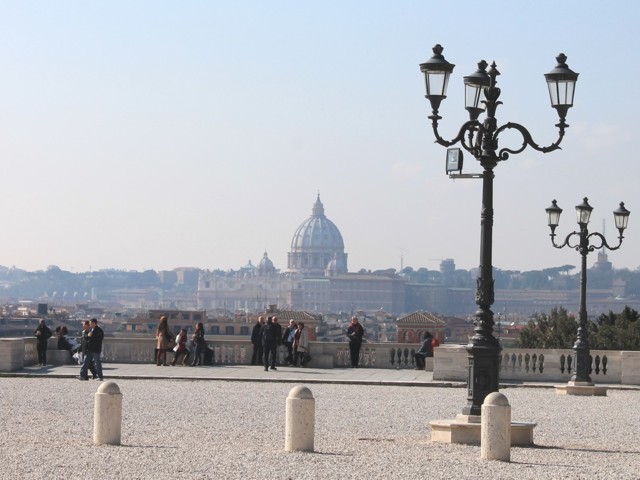
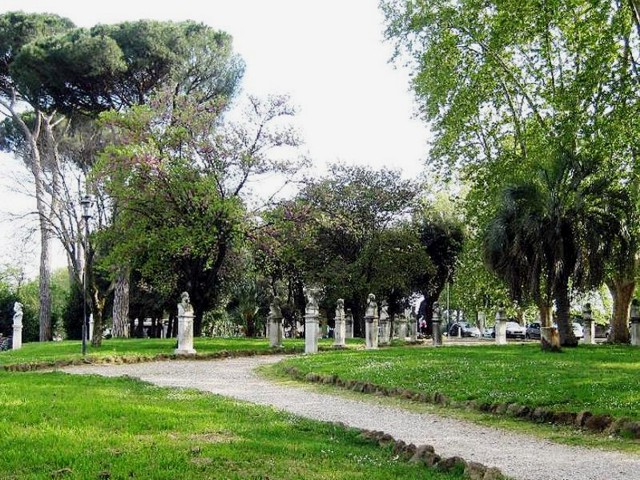
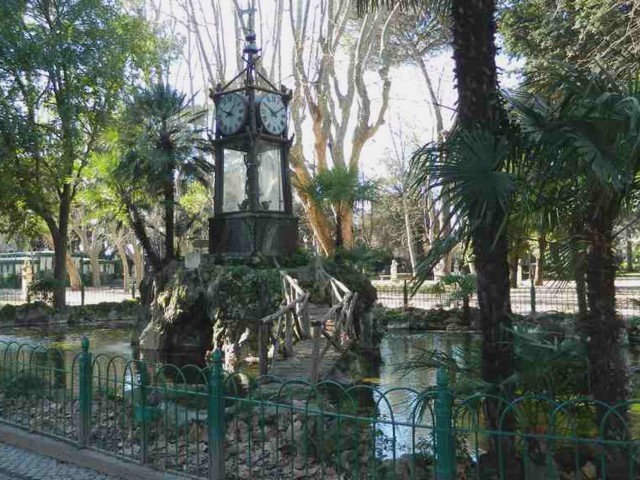
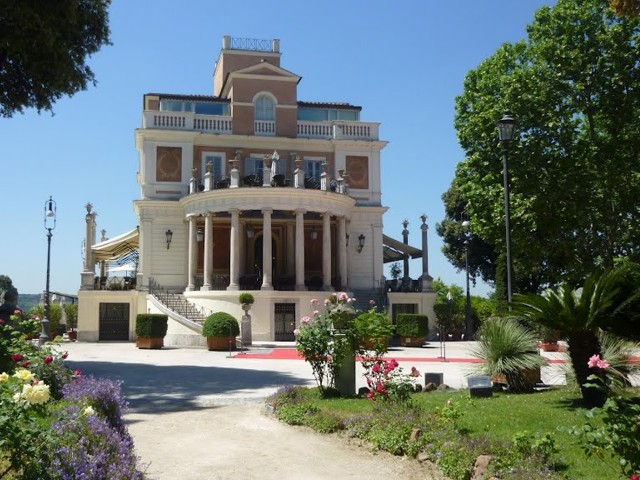
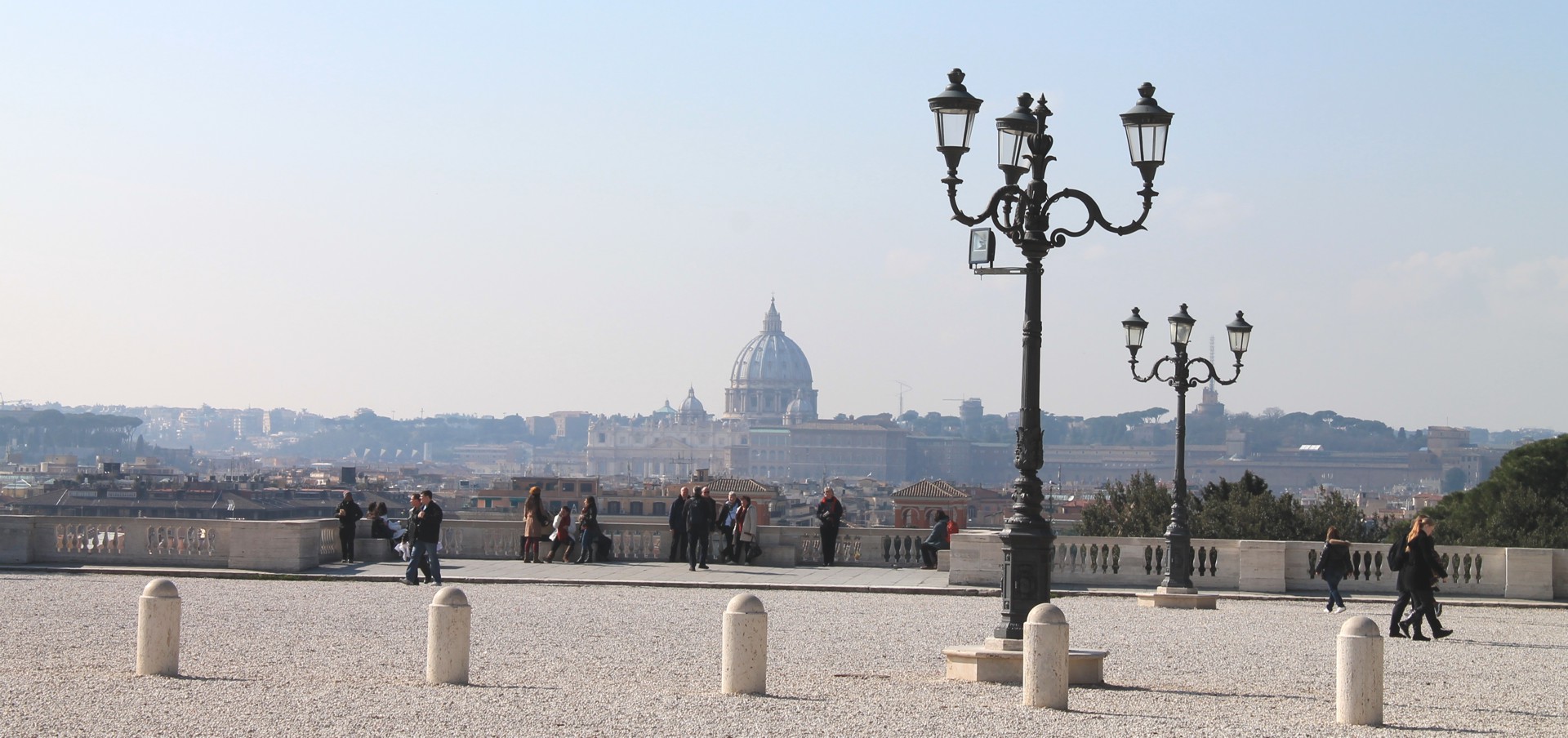
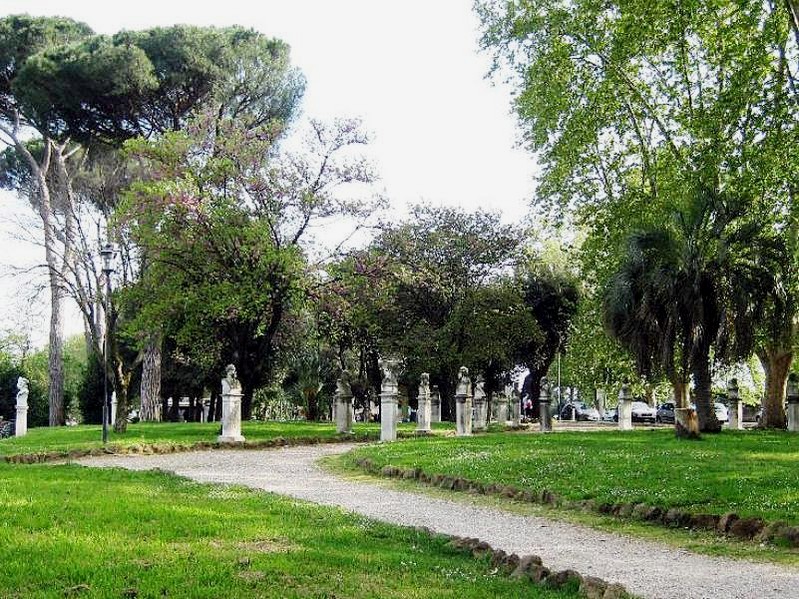
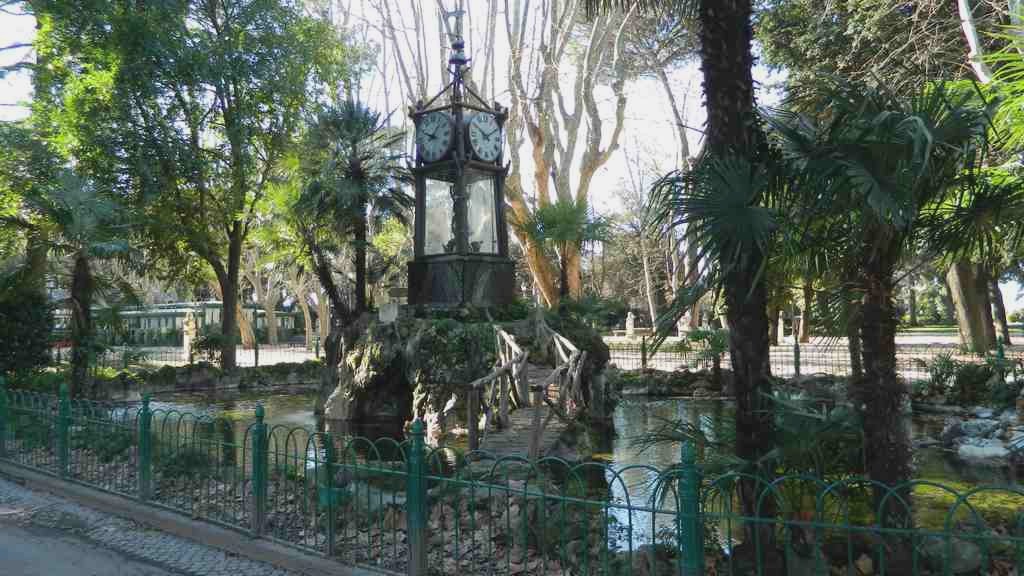
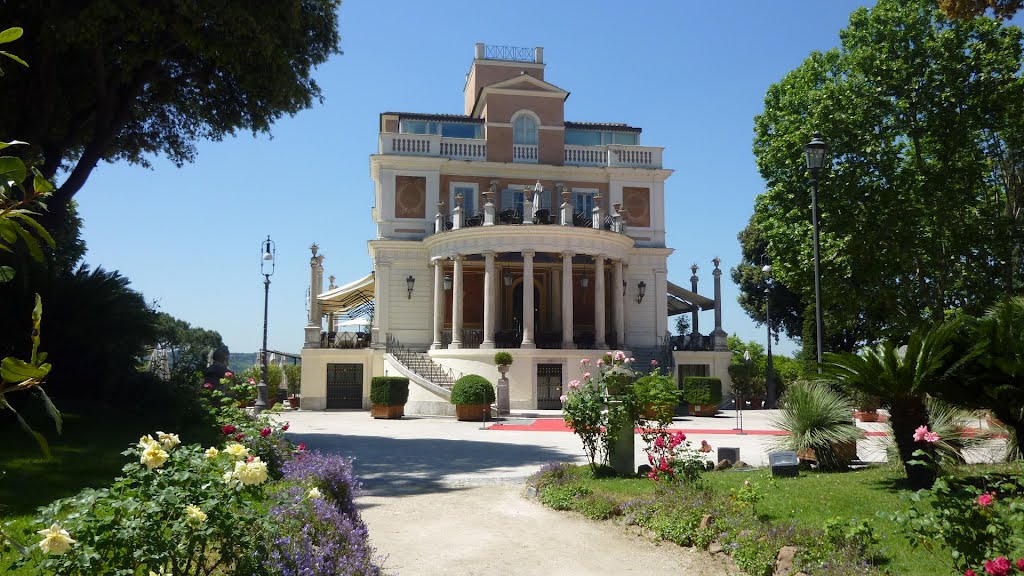
 Passeggiata del PincioPasseggiata del Pincio (Pincio's Walk)
Walk through tree-lined streets, hundreds of busts of famous people and interesting curiosities to enjoy, from the famous Terrazza del Pincio a Spectacular Panorama of Rome.
Easily accessible from Trinità dei Monti (other spectacular view of Piazza di Spagna and of the famous Scalinata), by Pincio comes down to Piazza del Popolo along two suggestive shadowed curves. -

-

-

-
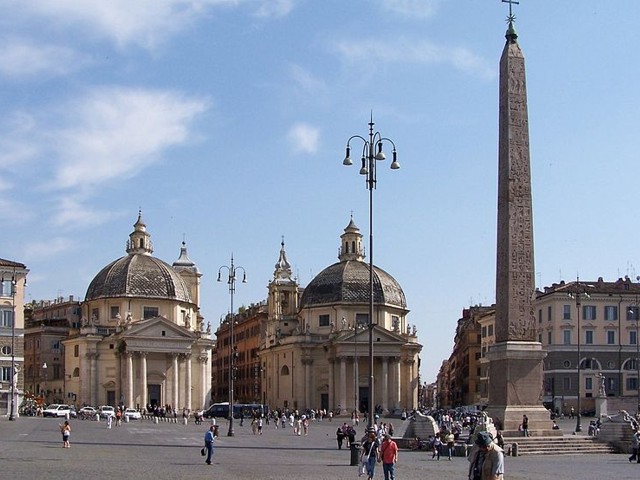
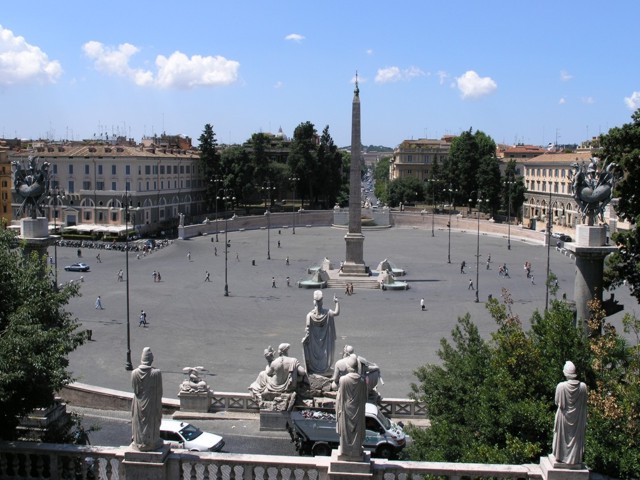
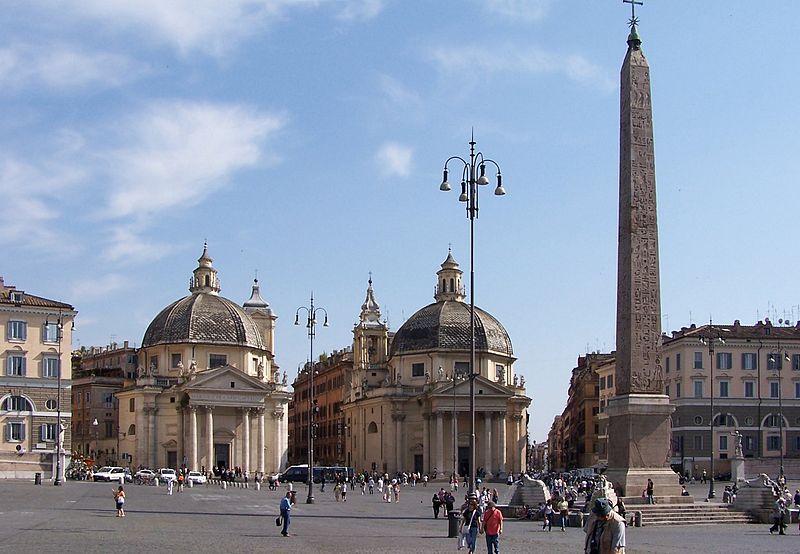
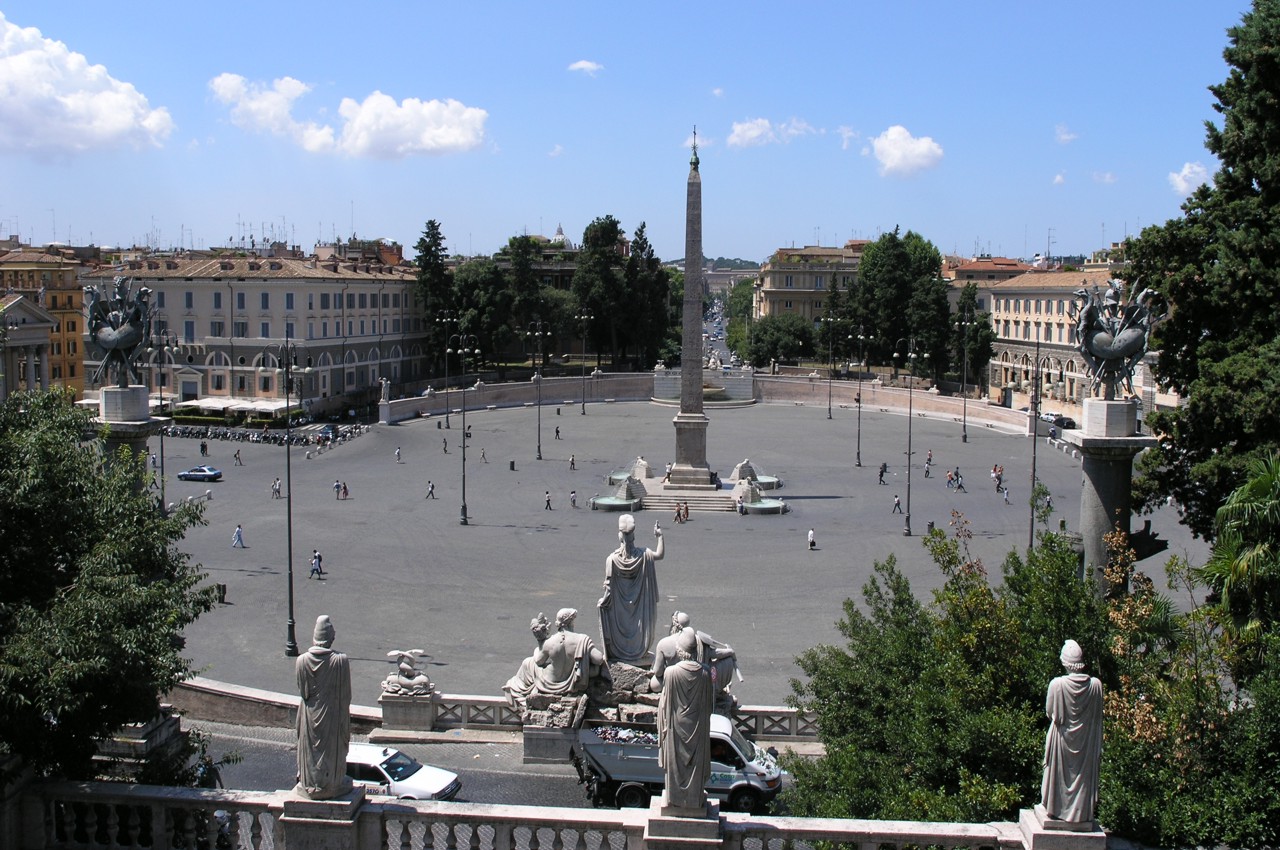
 Piazza del PopoloFamous and historic square in Rome at the foot of the Pincio
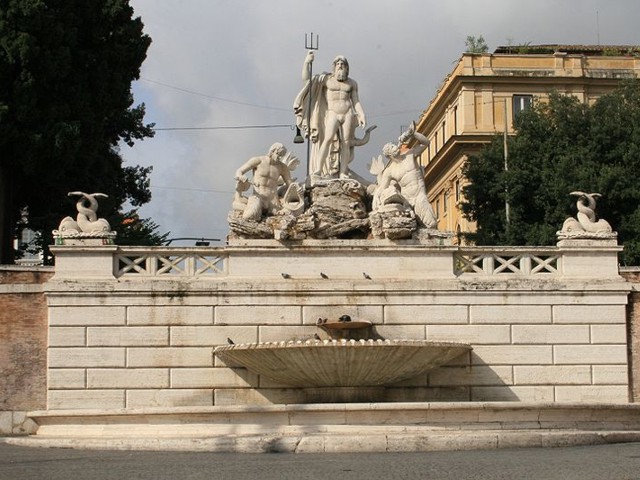
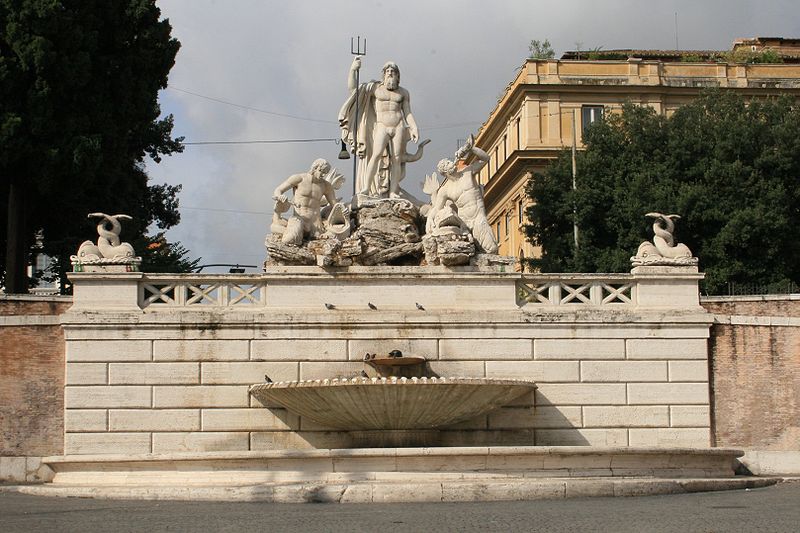
To admire: the Porta del Popolo, the Twin Churches, the Flaminio Obelisk, the Fountain of Neptune and of the Goddess of Rome, the wonderful view from the Pincio's Terrace.
-

-

-
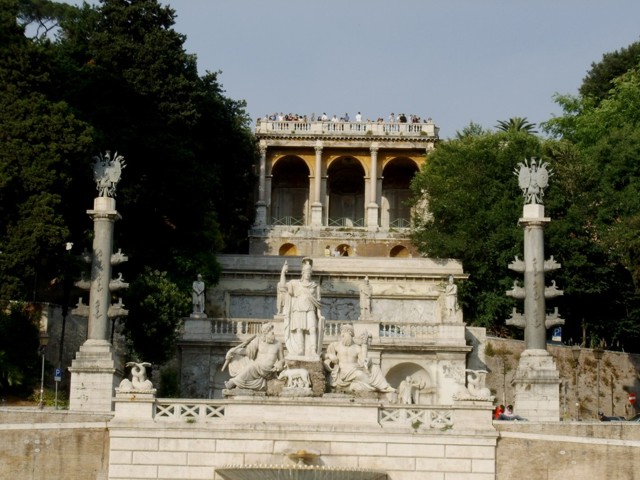
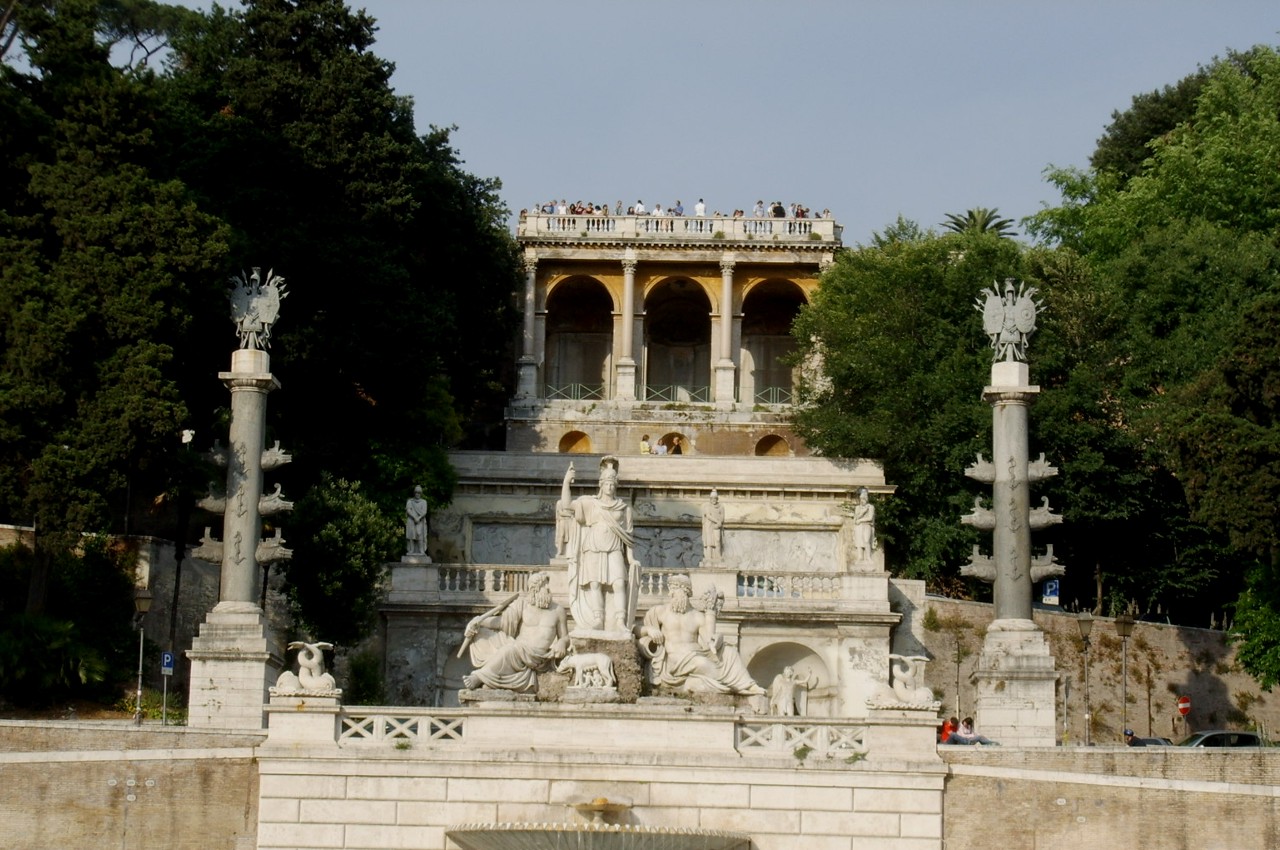
 Piazza del PopoloPiazza del Popolo
Fountain of the Goddess Roma, Staircase and the Pincio's Terrace -
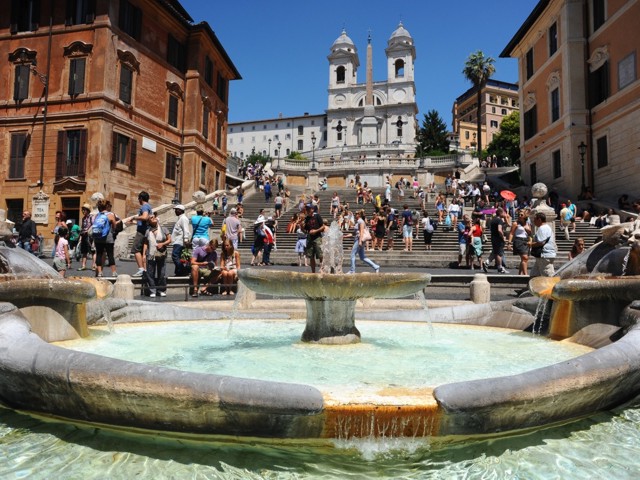
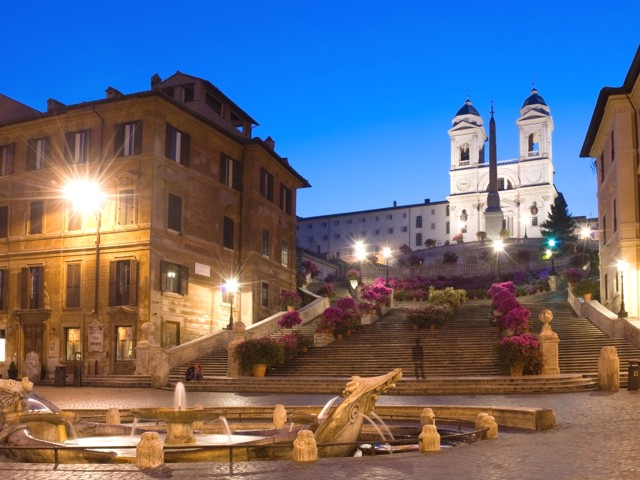
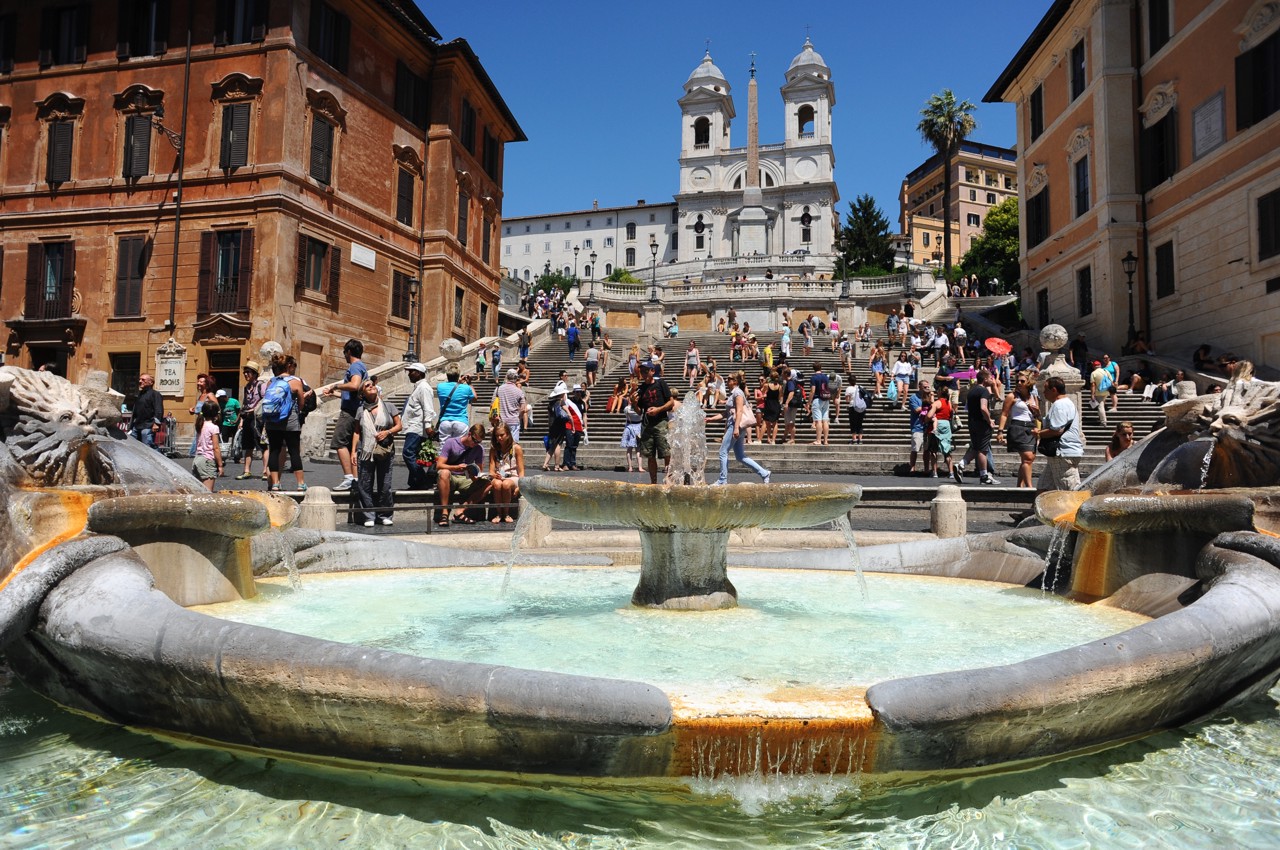
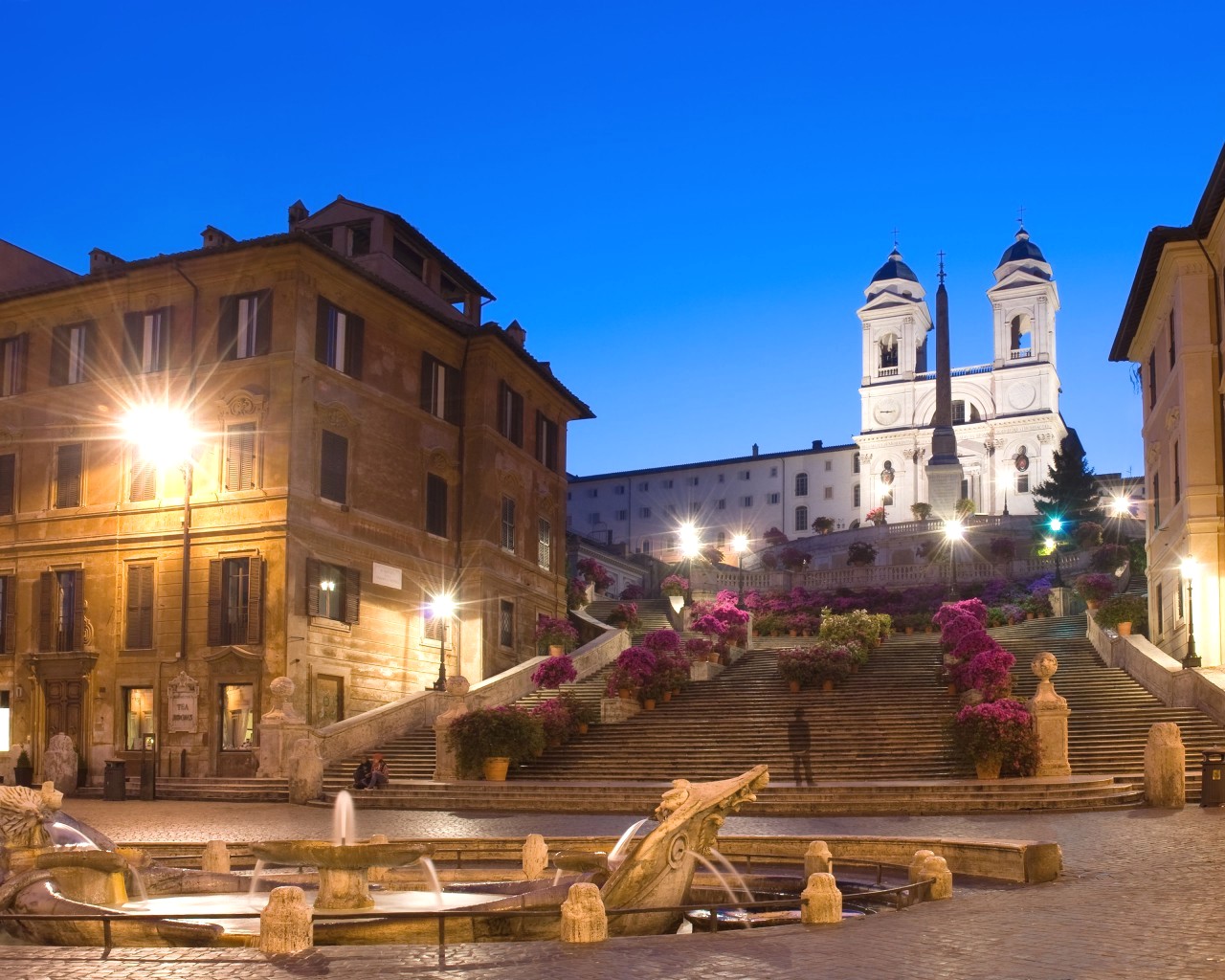
 Piazza di SpagnaOne of the most famous and beautiful squares in Rome, with the monumental Scalinata which leads to Trinità dei Monti, the wonderful Fontana della Barcaccia (Bernini) and around the most elegant streets of the city, famous for shopping.
-

-
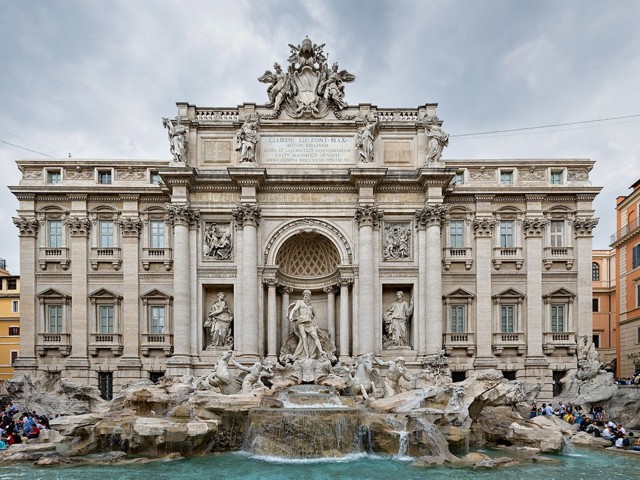
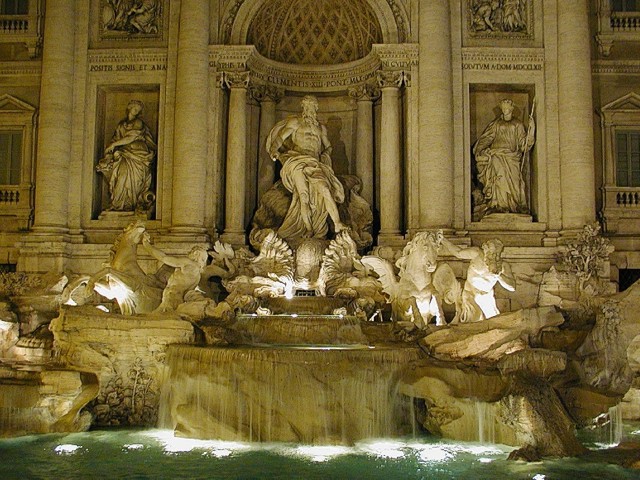
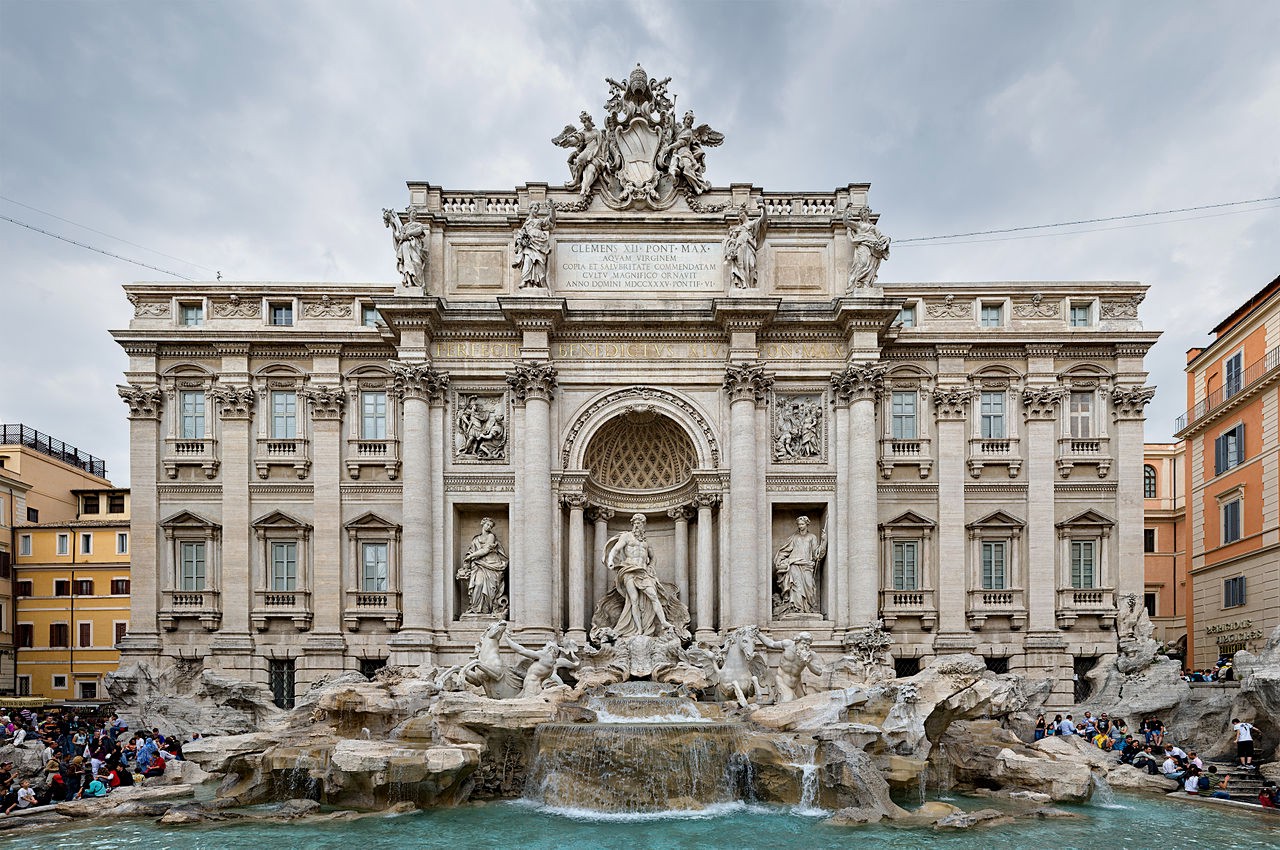
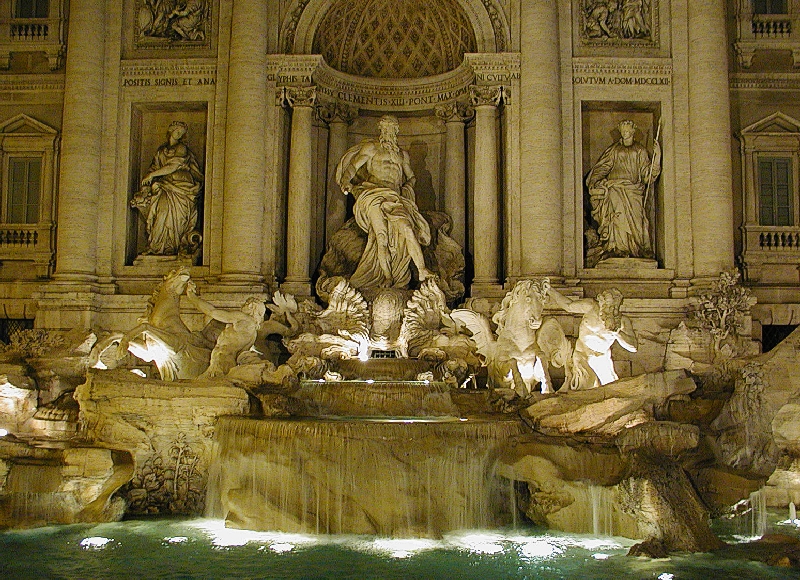
 Fontana di TreviAmong the most famous and largest fountains in the world, was inaugurated in 1735 in the late Baroque style.
 -

-
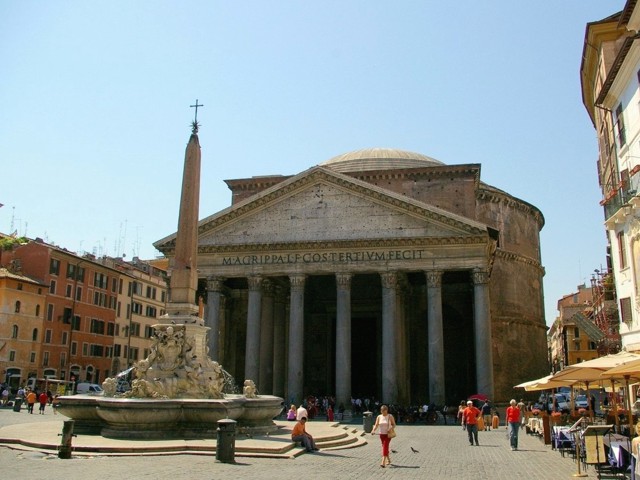
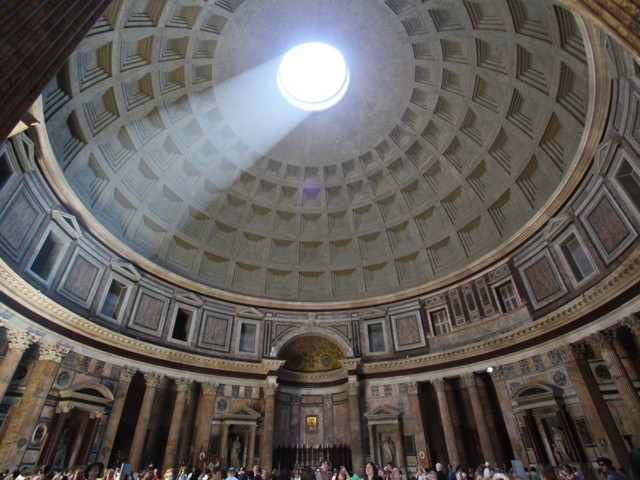
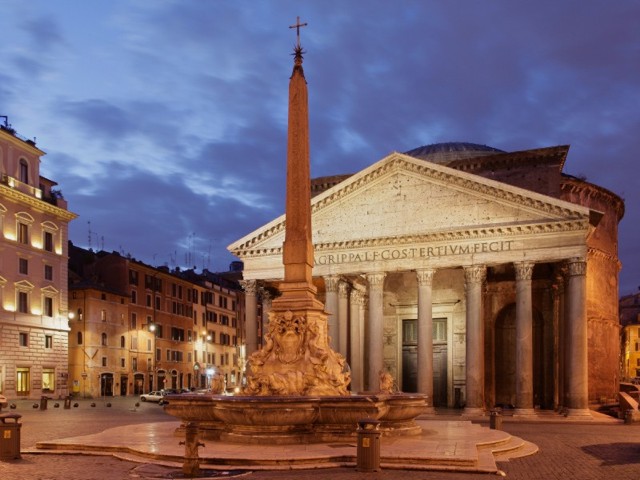
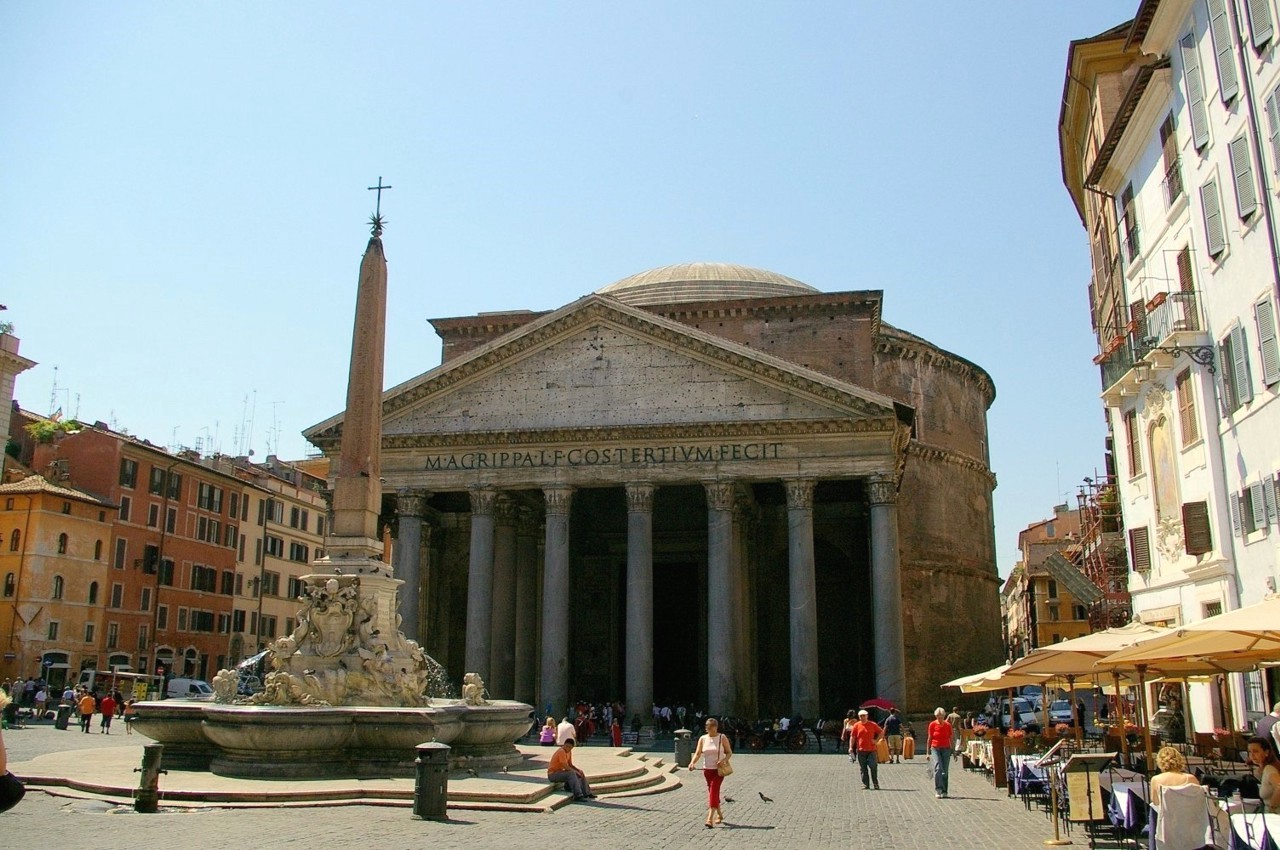
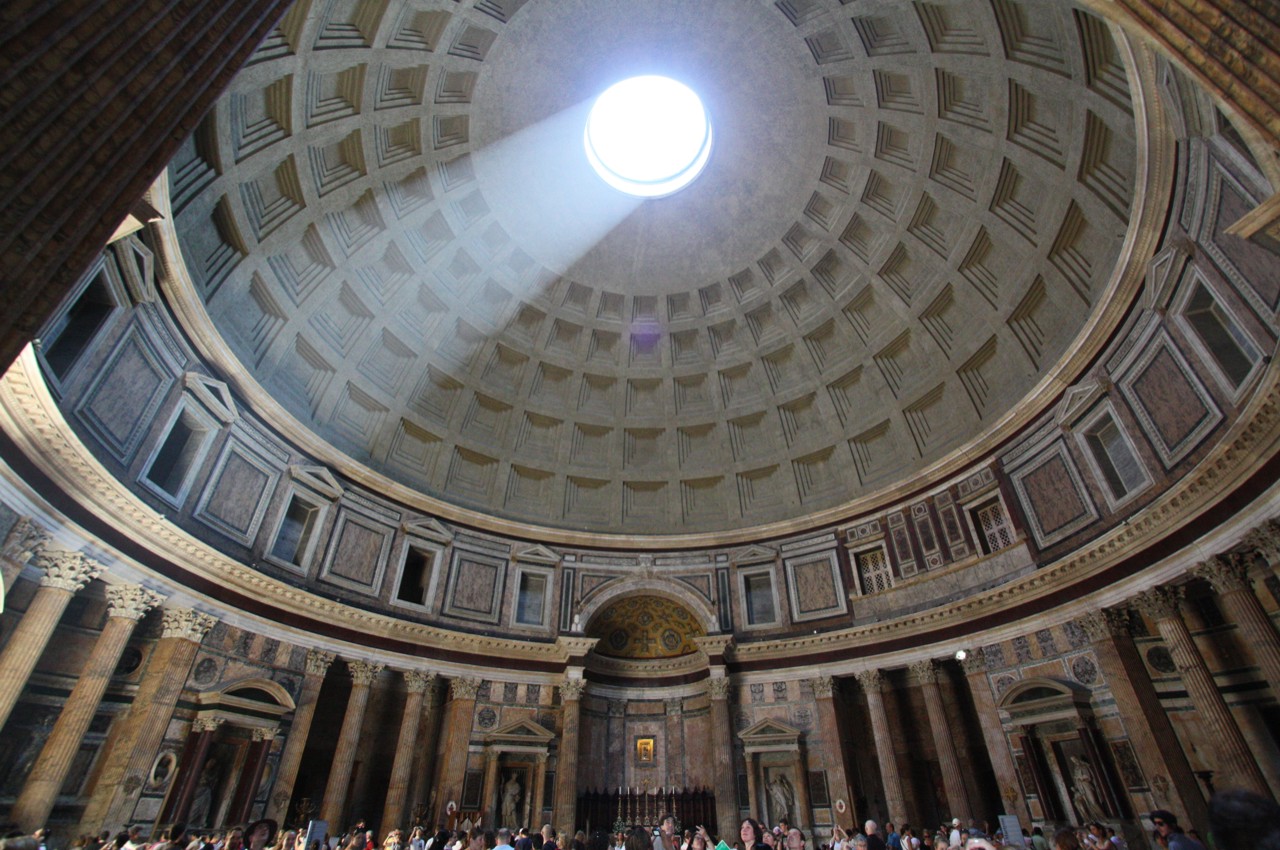
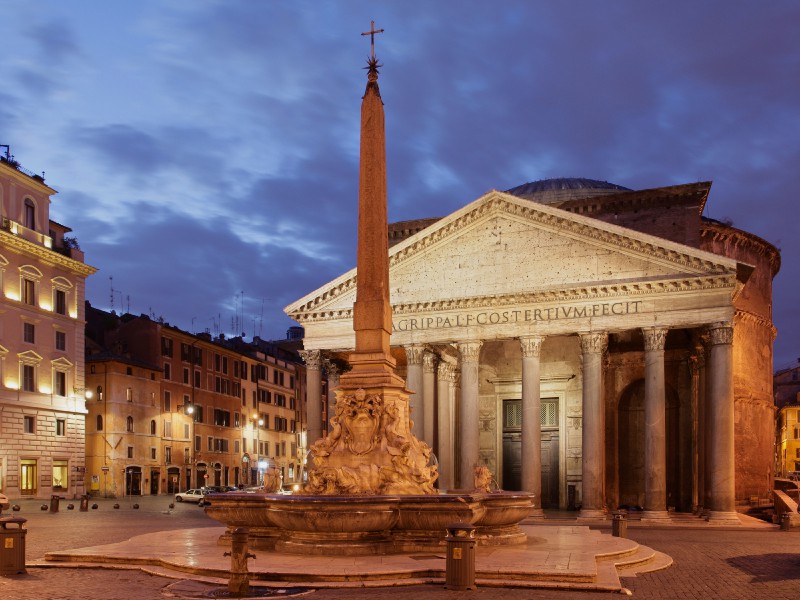
 PantheonDating back to 27-25 BC (Agrippa) and rebuilt between 118-128 A.D. (Adriano) it is the temple dedicated to all the divinities.
Since century VII A.D. the Pantheon has been assimilated as a Christian basilica, called Santa Maria della Rotonda.
Many architectures were inspired by the Pantheon as a model.
-

-

-
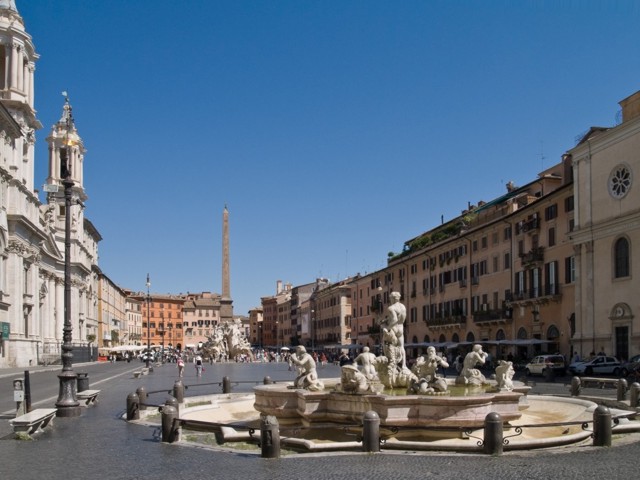
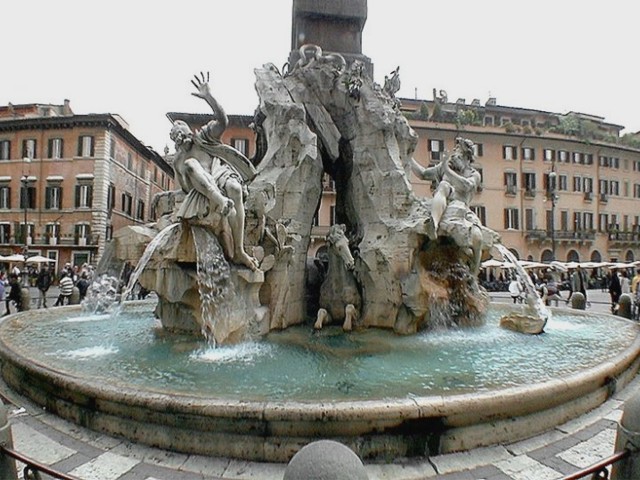
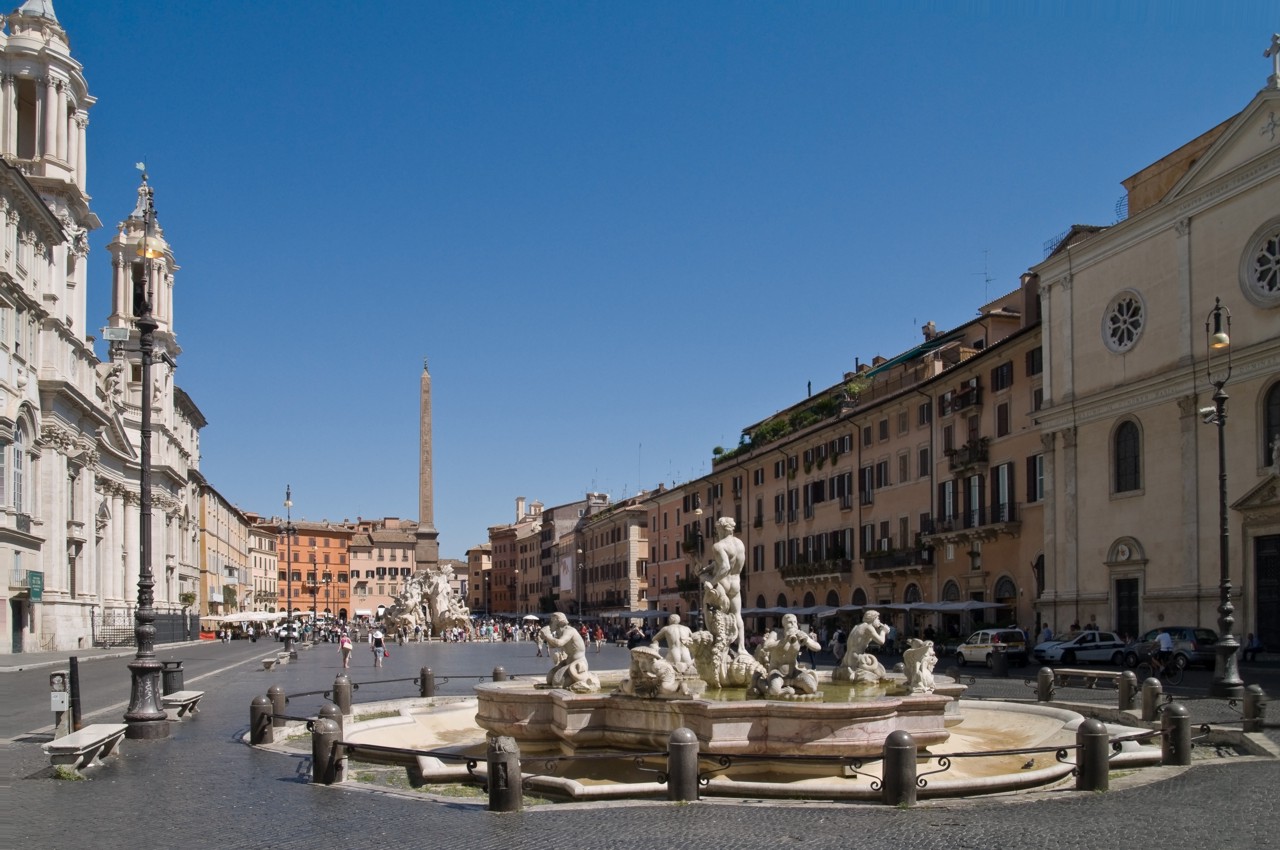
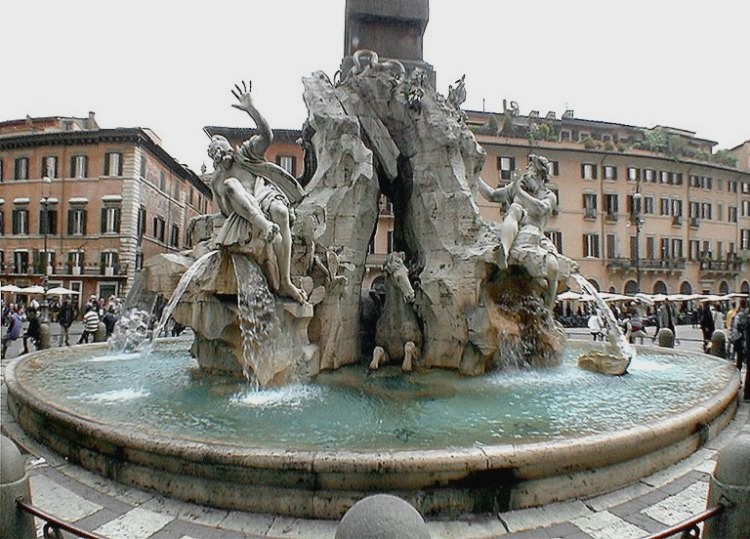
 Piazza NavonaPiazza Navona was the Domitian Stadium in ancient Rome (85 AD), richly decorated and used for athletic contests.
The square, famous around the world, is a meeting place for artists and tourists and it well represents the sculpture and architecture of the Baroque Rome.
To admire: the splendid Fountains (Bernini and others), the Palaces, the church of Sant'Agnese in Agone.
-

-
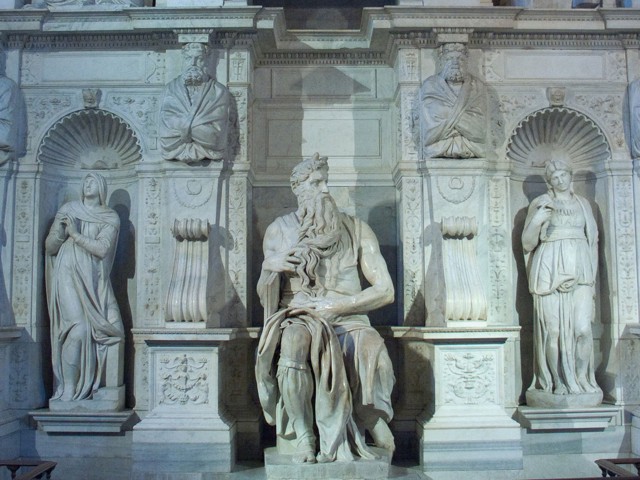
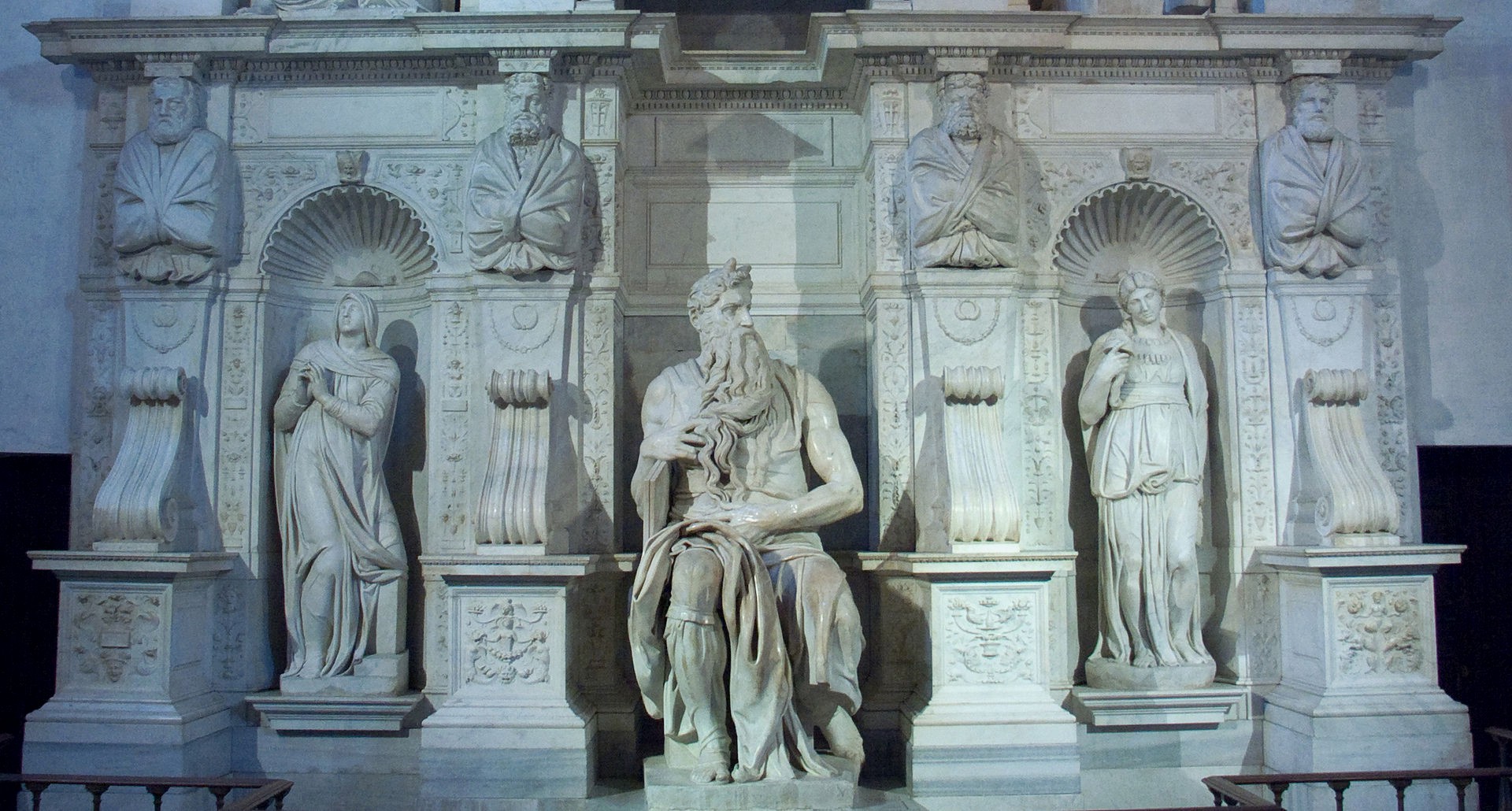
 San Pietro in VincoliThe basilica, built in 442 A.D. with subsequent restoration, hosts the famous Mosè of Michelangelo, of the statuary complex Tomba di Giulio II.
 -
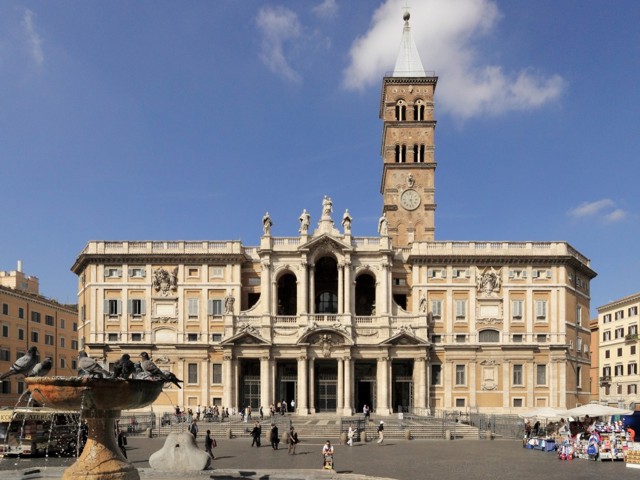
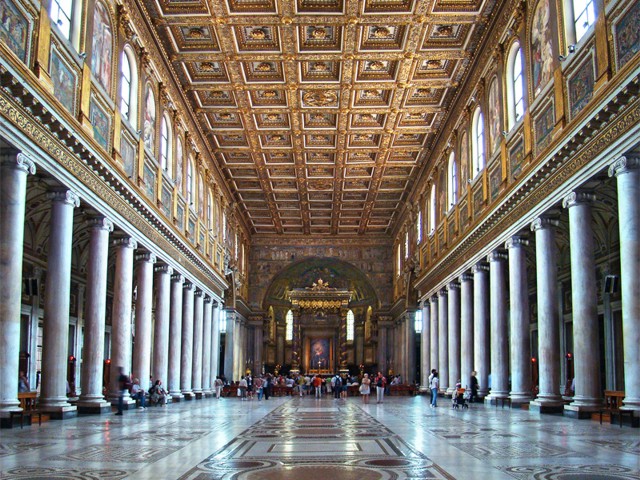
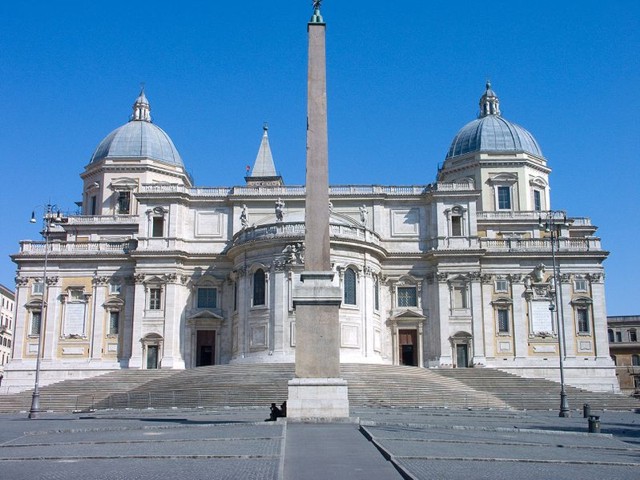
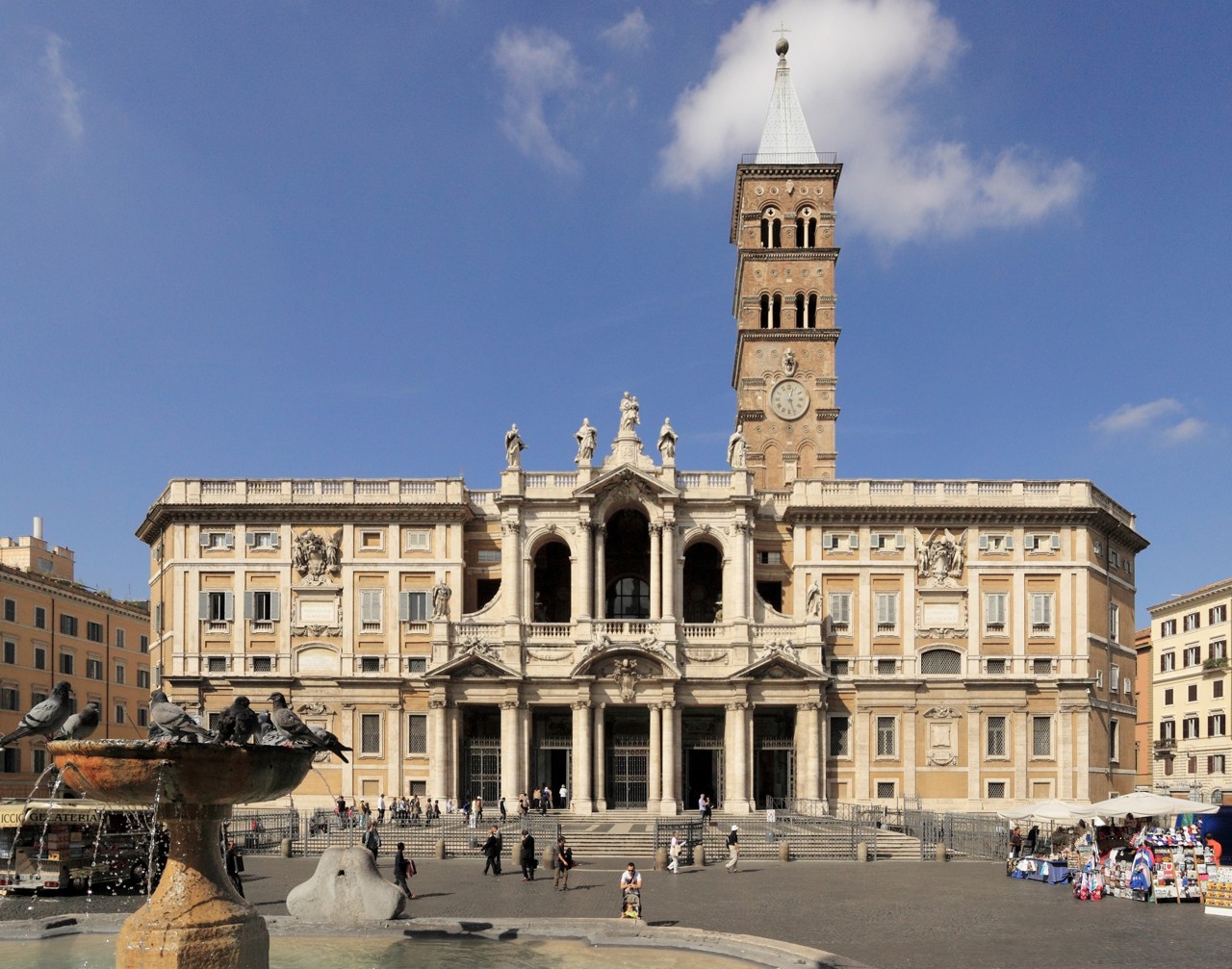
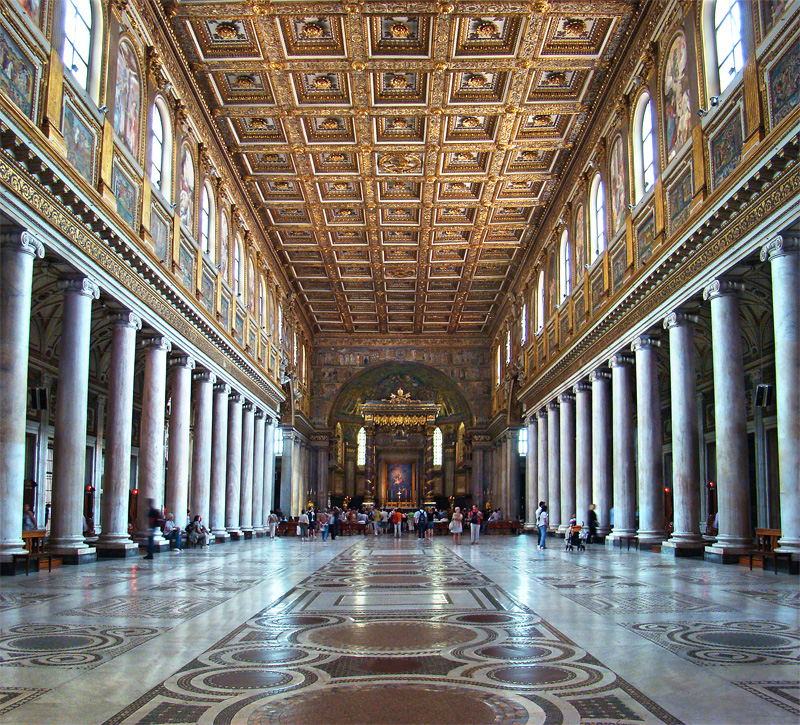
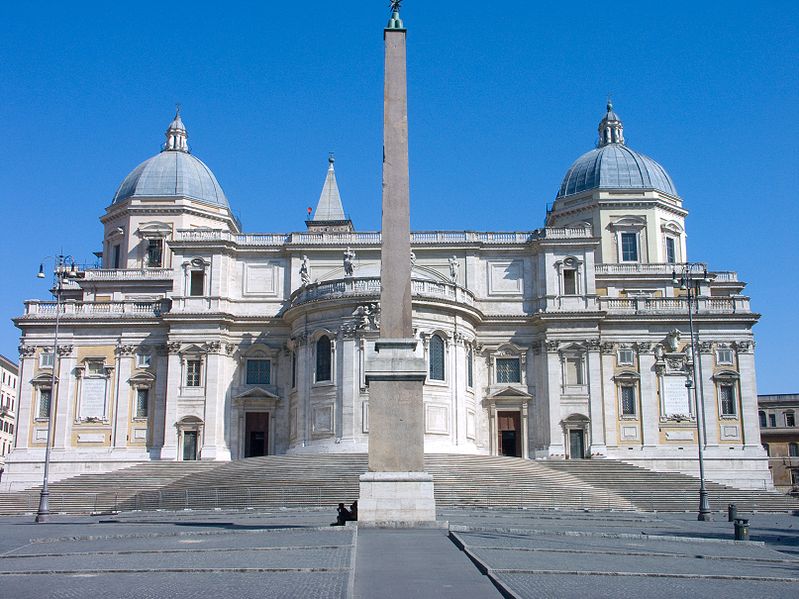
 Santa Maria MaggioreSanta Maria Maggiore (432-440 AD) is one of the four papal basilicas of Rome.
The basilica, although enriched by subsequent, substantially preserves the original structure of the early Christian style (Paleocristiana). You can admire beautiful ancient mosaics, the beautiful cosmatesco floor, the golden ceiling richly carved, the apse, the Sistine Chapel and Pauline, the sculpture of the Nativity and the The Organs made in the twentieth century.
-

-

-
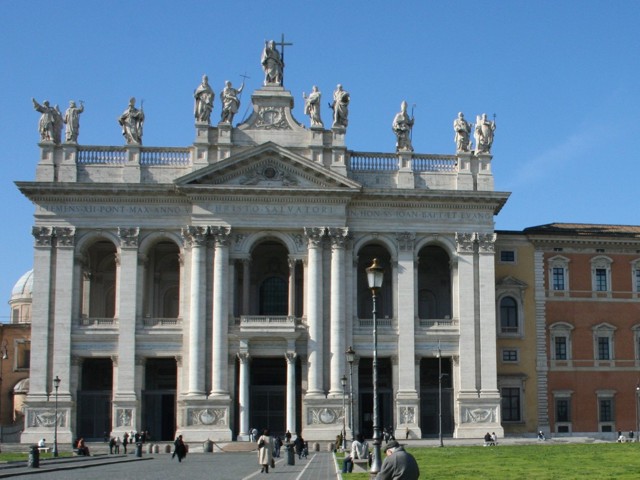
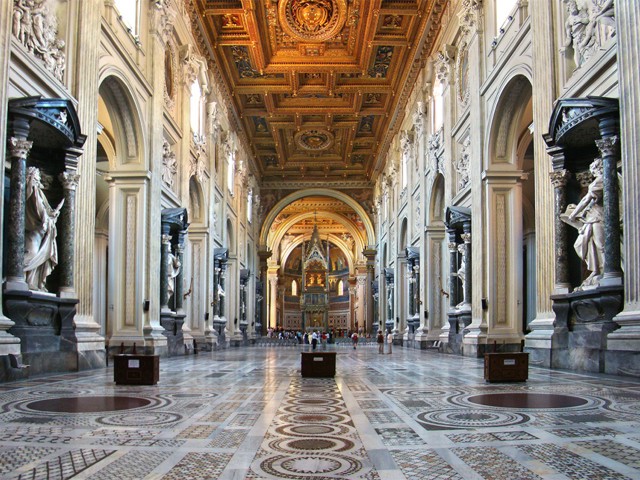
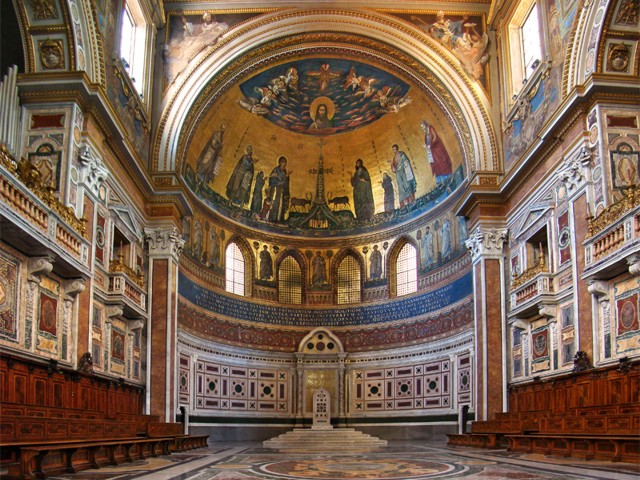
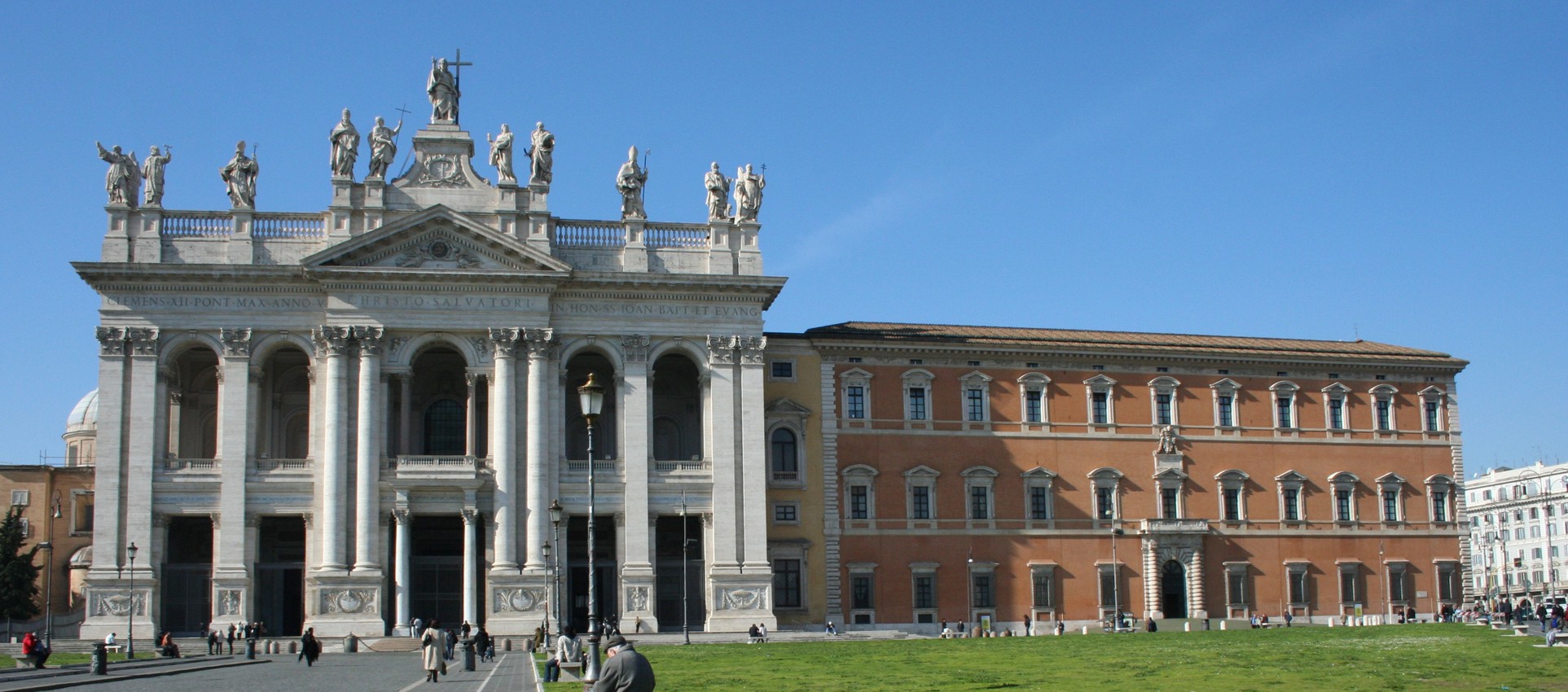
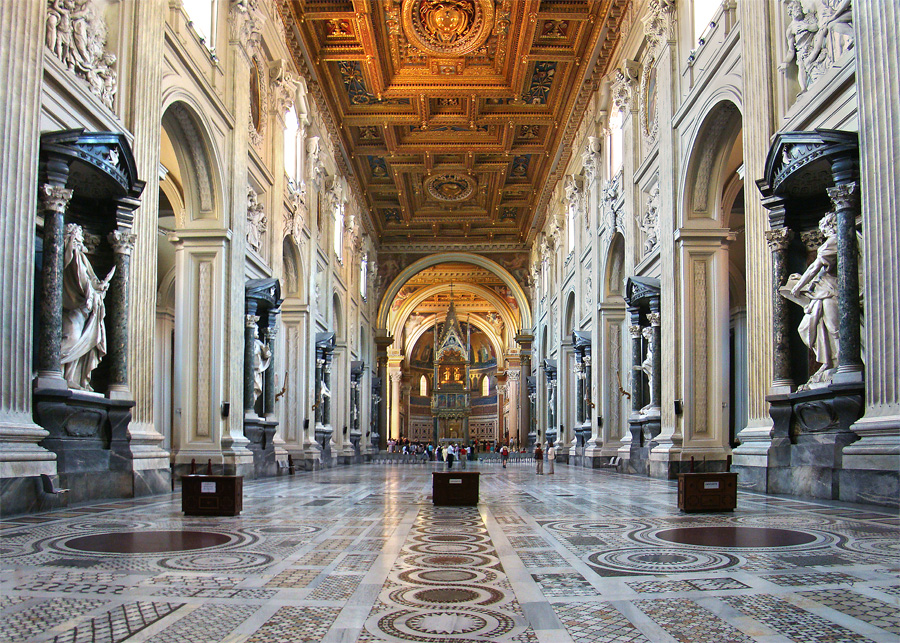
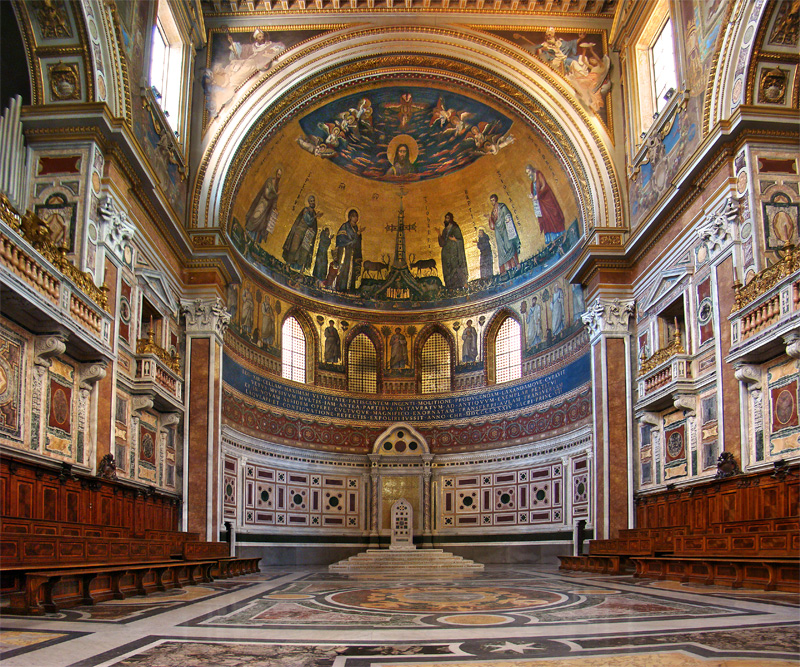
 San GiovanniThe first of the four major papal basilicas, St. John is the most important basilica of the Christian world, placed under the extraterritorial jurisdiction of the Holy See.
The basilica is rich in works of art and the visit should also be extended to works adjacent: Scala Santa, Loggia delle Benedizioni, Palazzo del Laterano, Chiostro, Obelisco Lateranense.
-

-

-
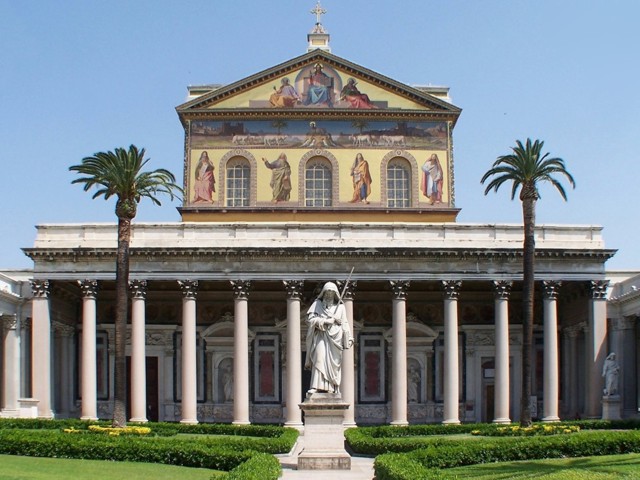
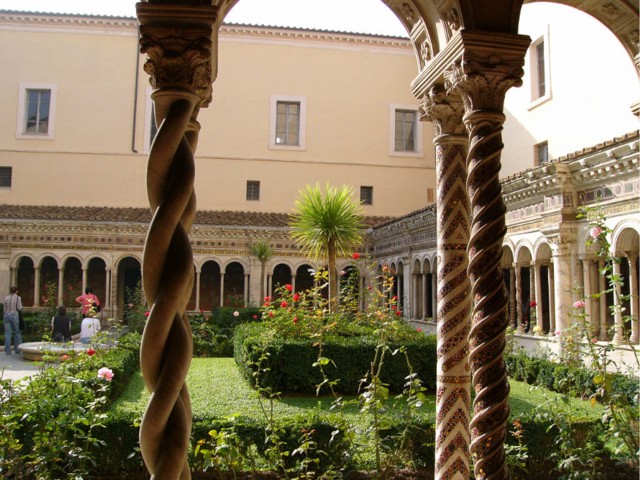
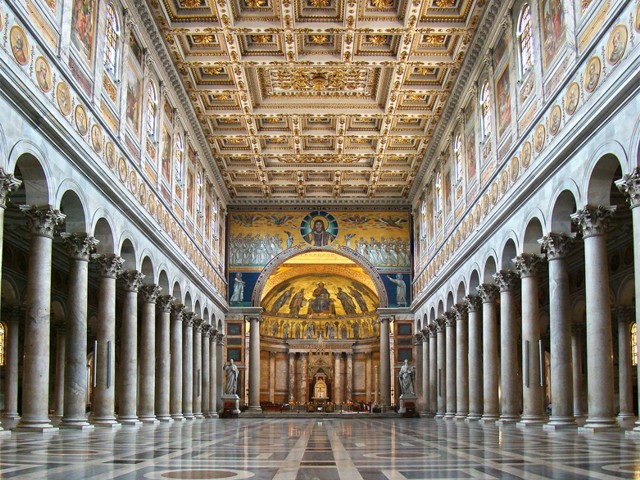
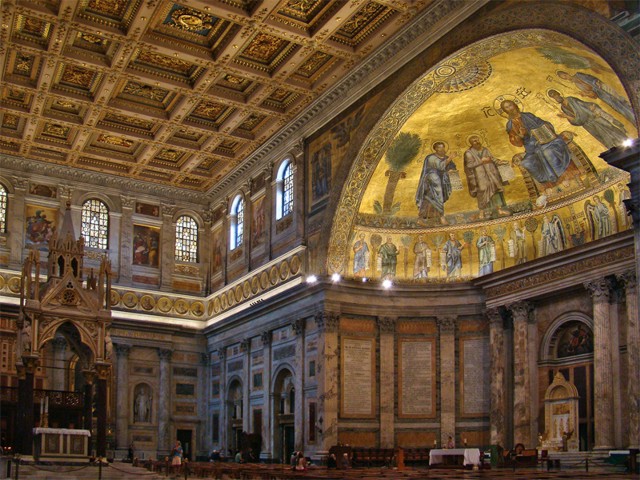
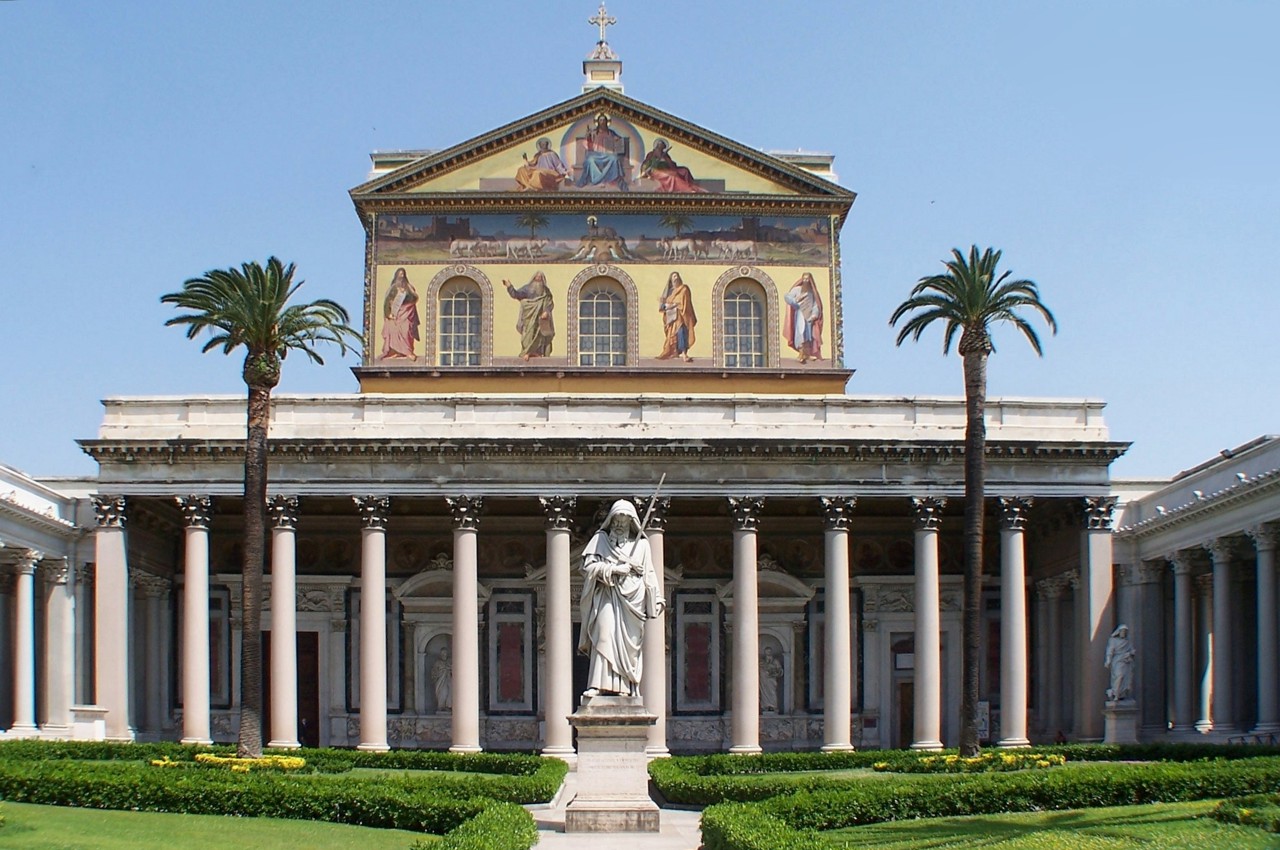
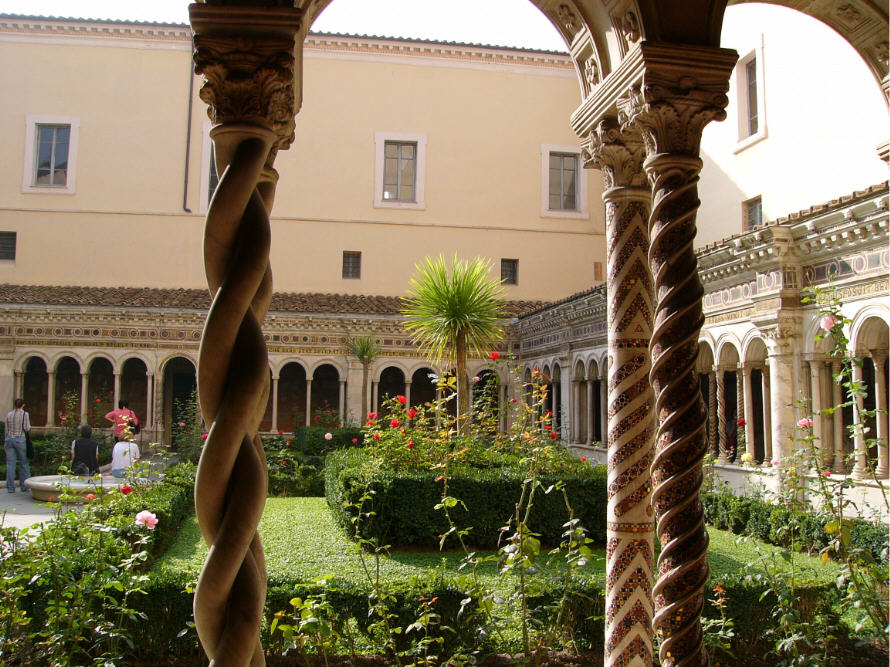
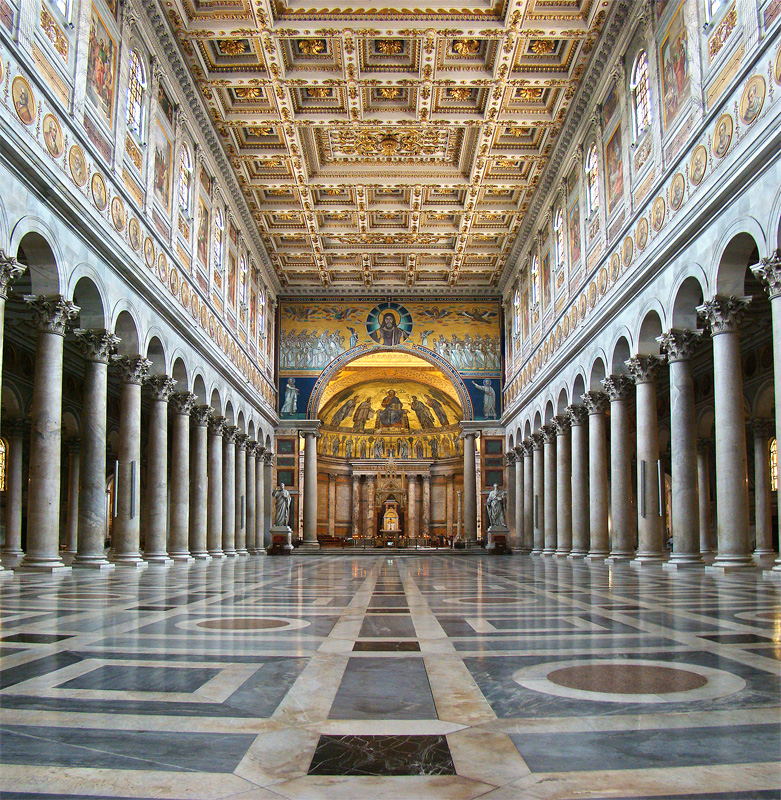
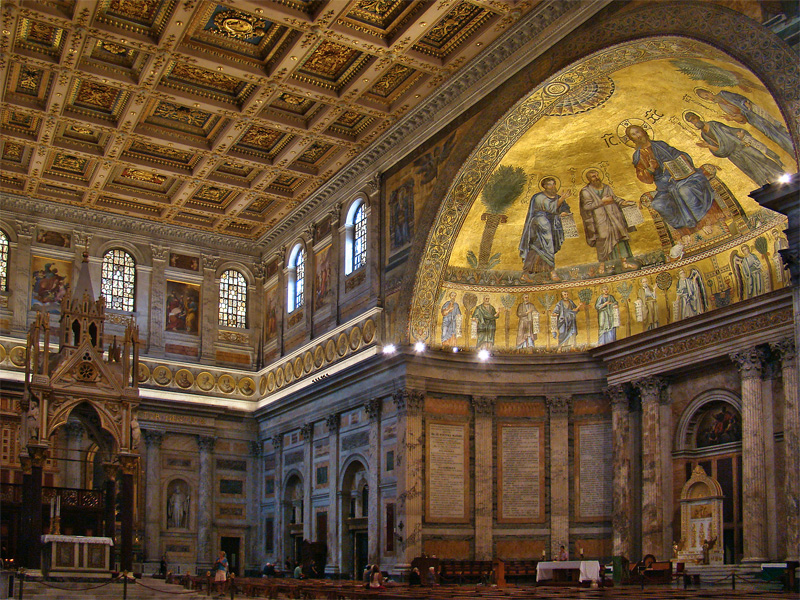
 San PaoloThe second of the four papal basilicas of Rome, the great St. Paul Outside the Walls is UNESCO World Heritage.
Consecrated in sec. IV A.D. the Basilica benefits the extraterritoriality of the Holy See and preserves valuable works of art.
-

-

-

-
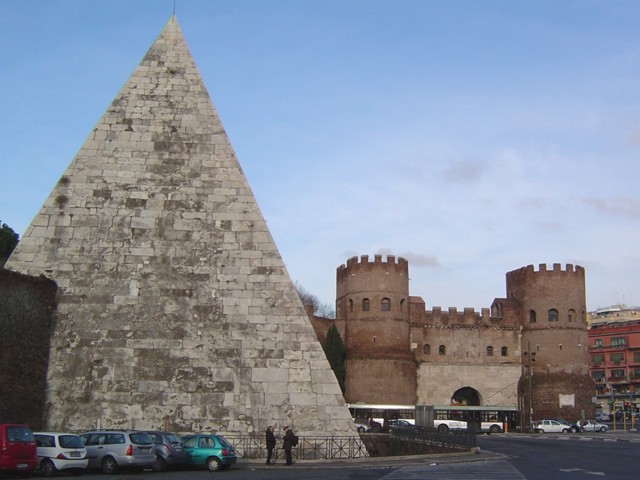
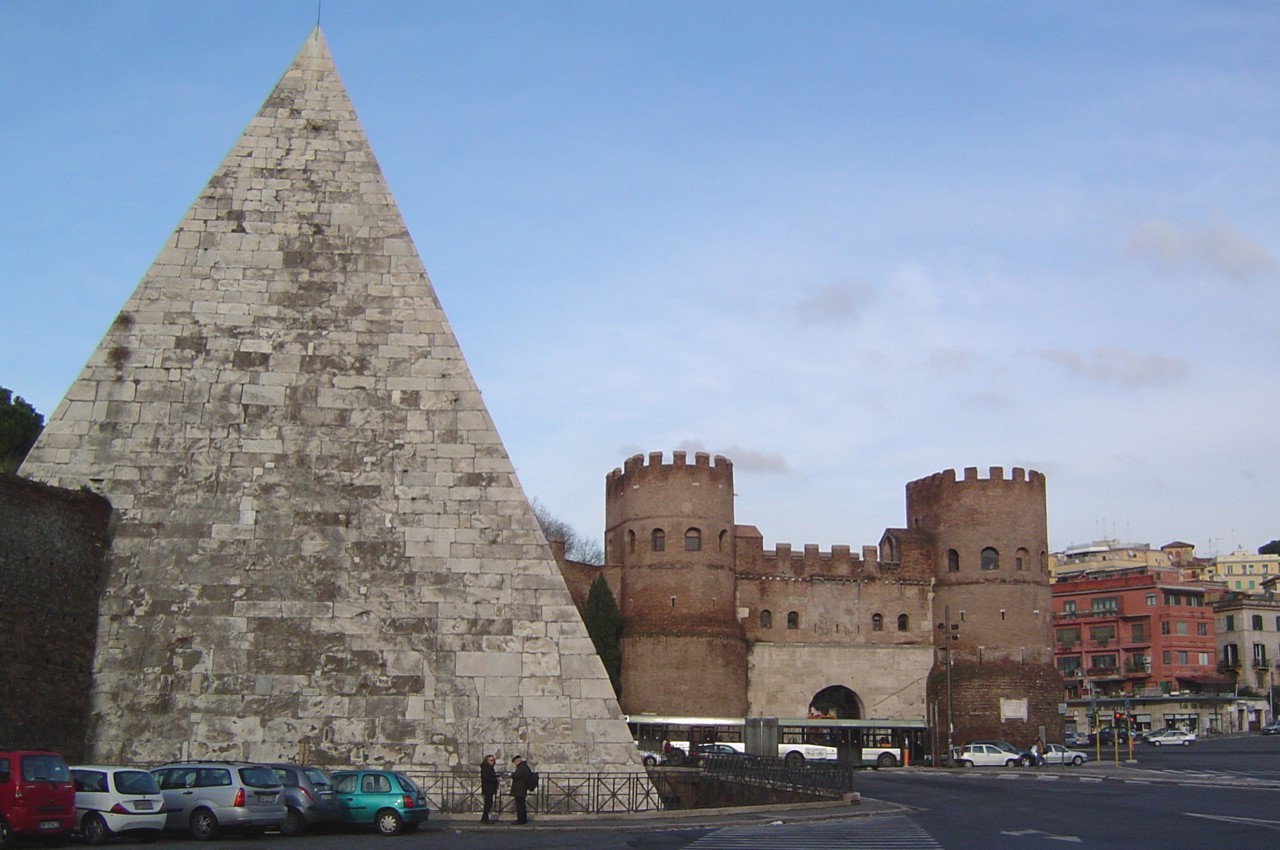
 Porta San PaoloGate of the Aurelian Walls among the most impressive and best preserved.
The Pyramid dates from 12 BC and was conceived as a tomb (for Gaio Cestio Epulone).
-
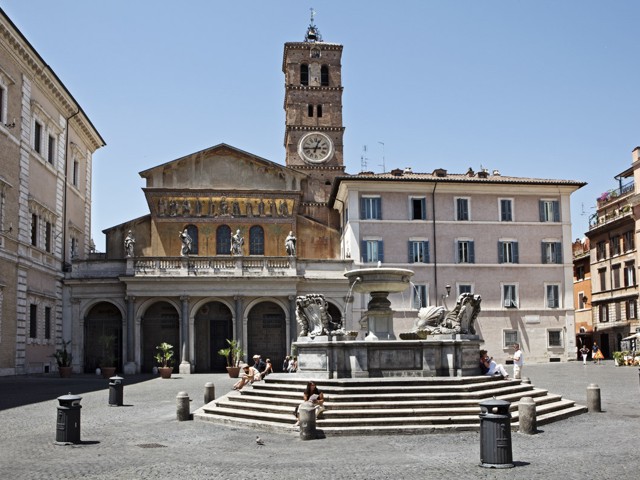
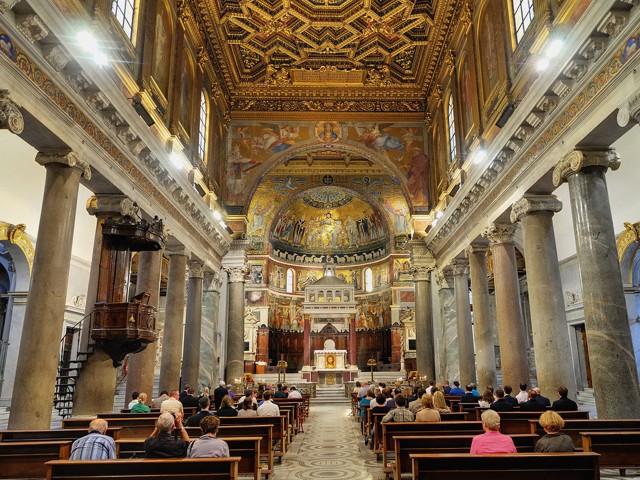
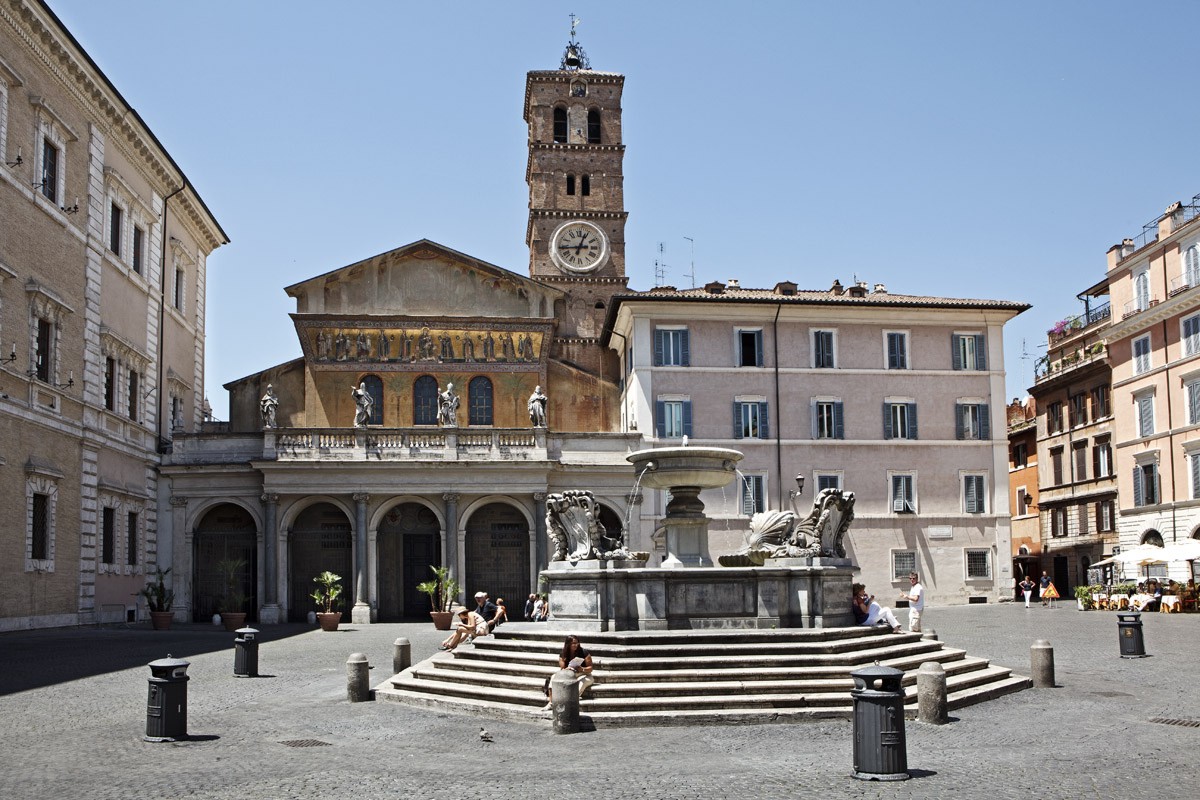
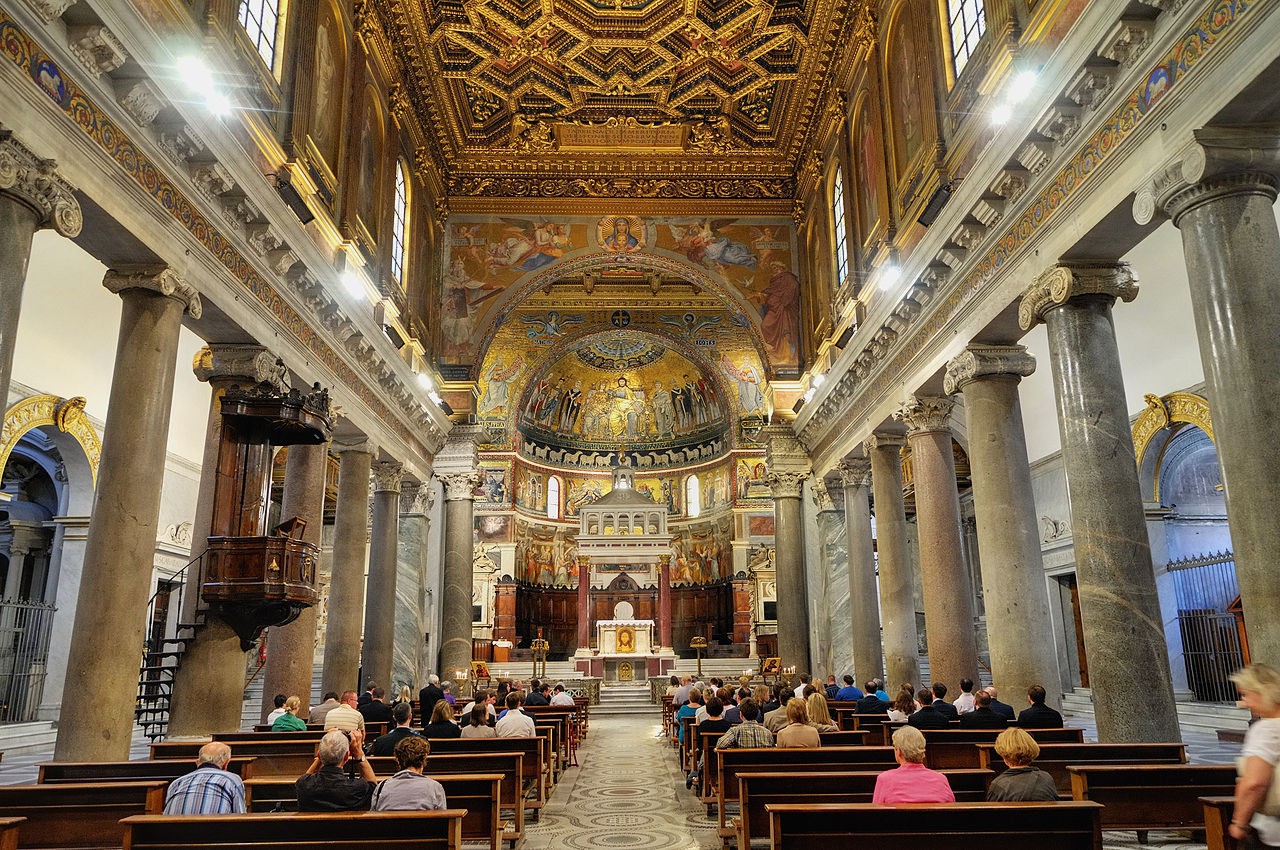
 Santa Maria in TrastevereDating back to century III A.D. then renovated in century XII, the basilica shows beautiful decorations and mosaics.
 -

-
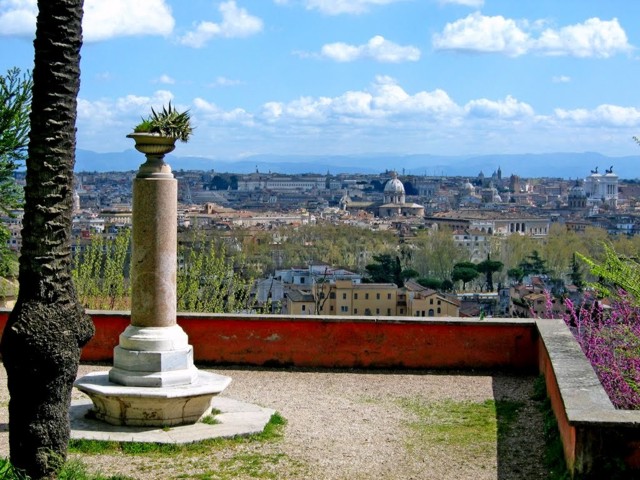
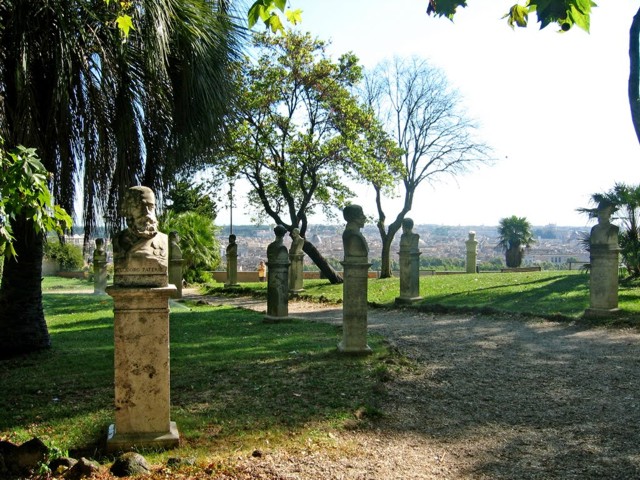
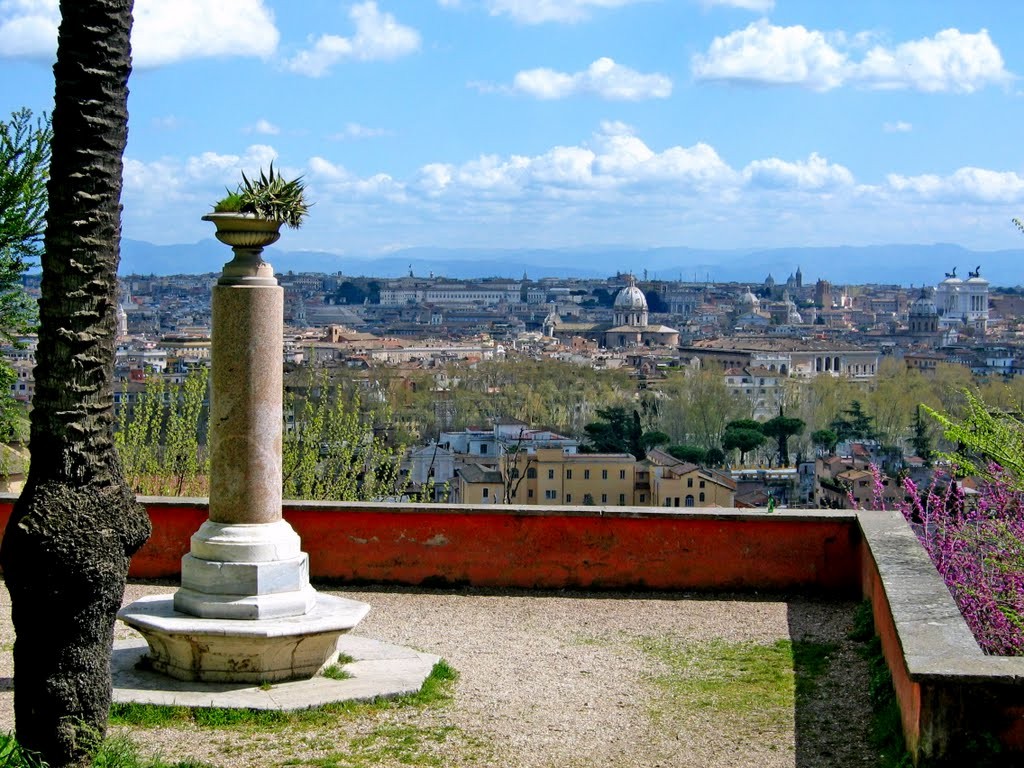
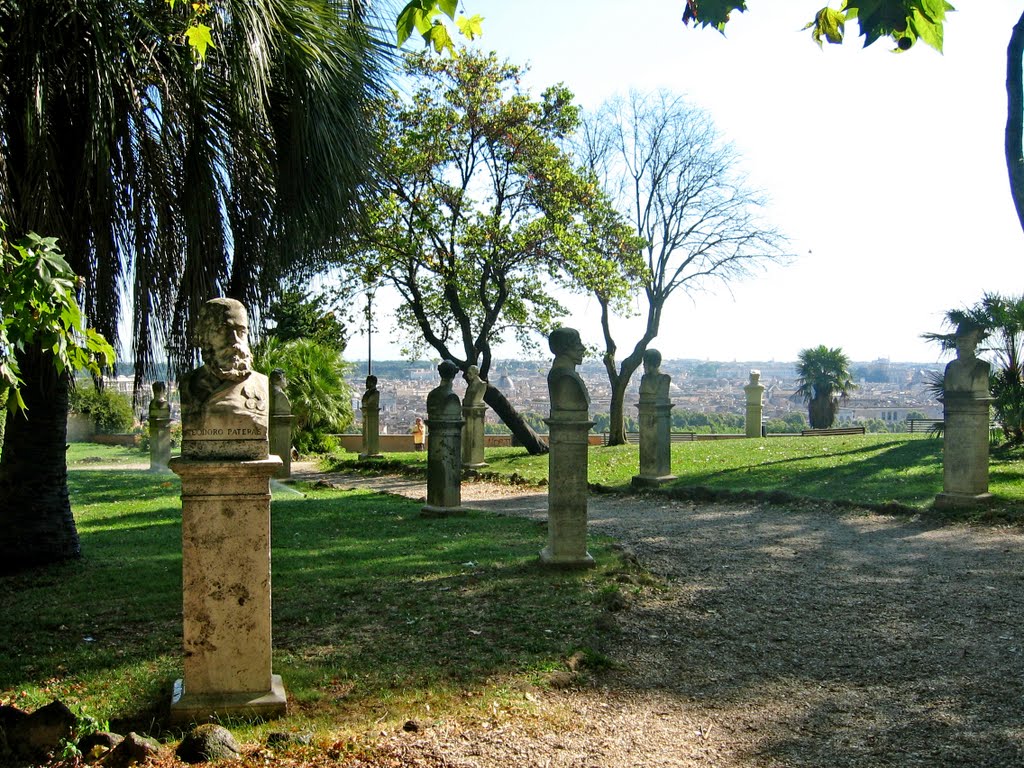
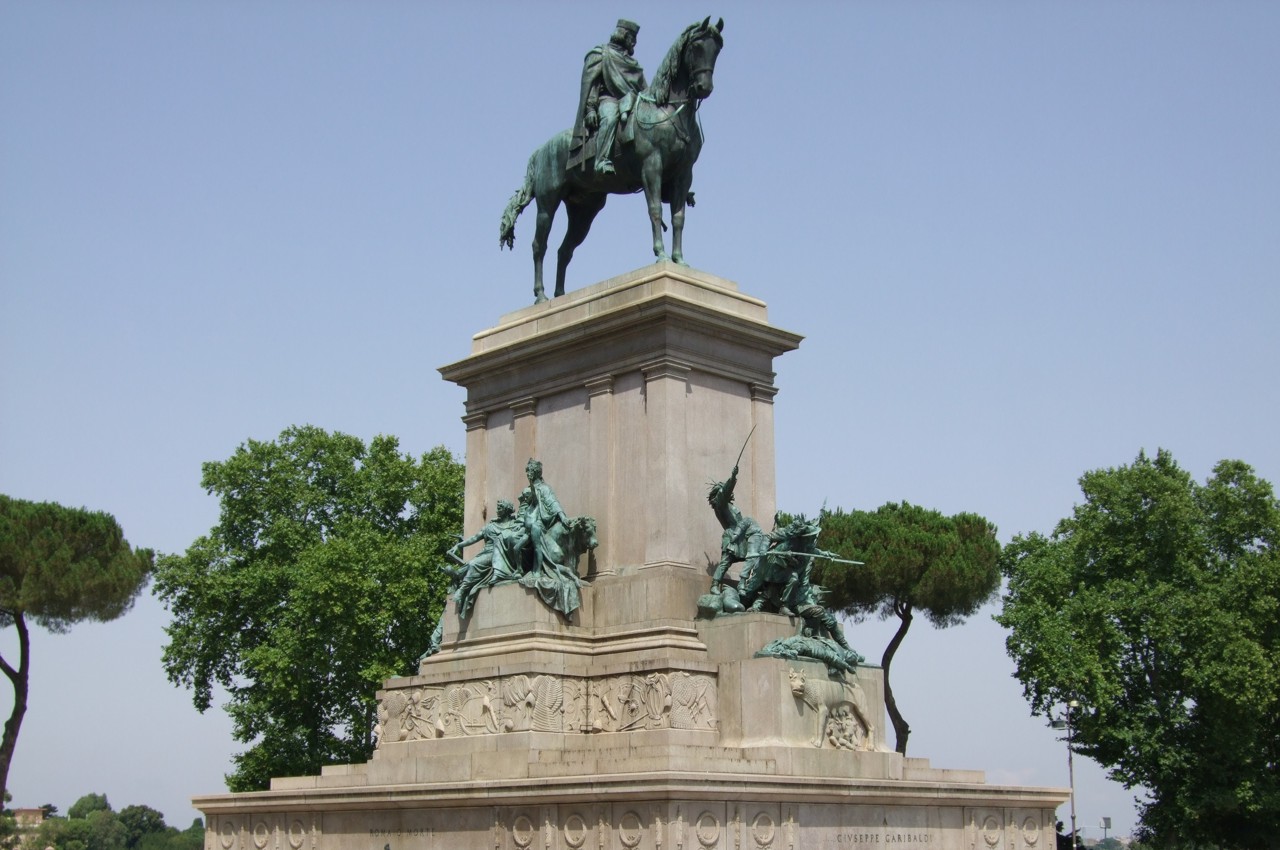
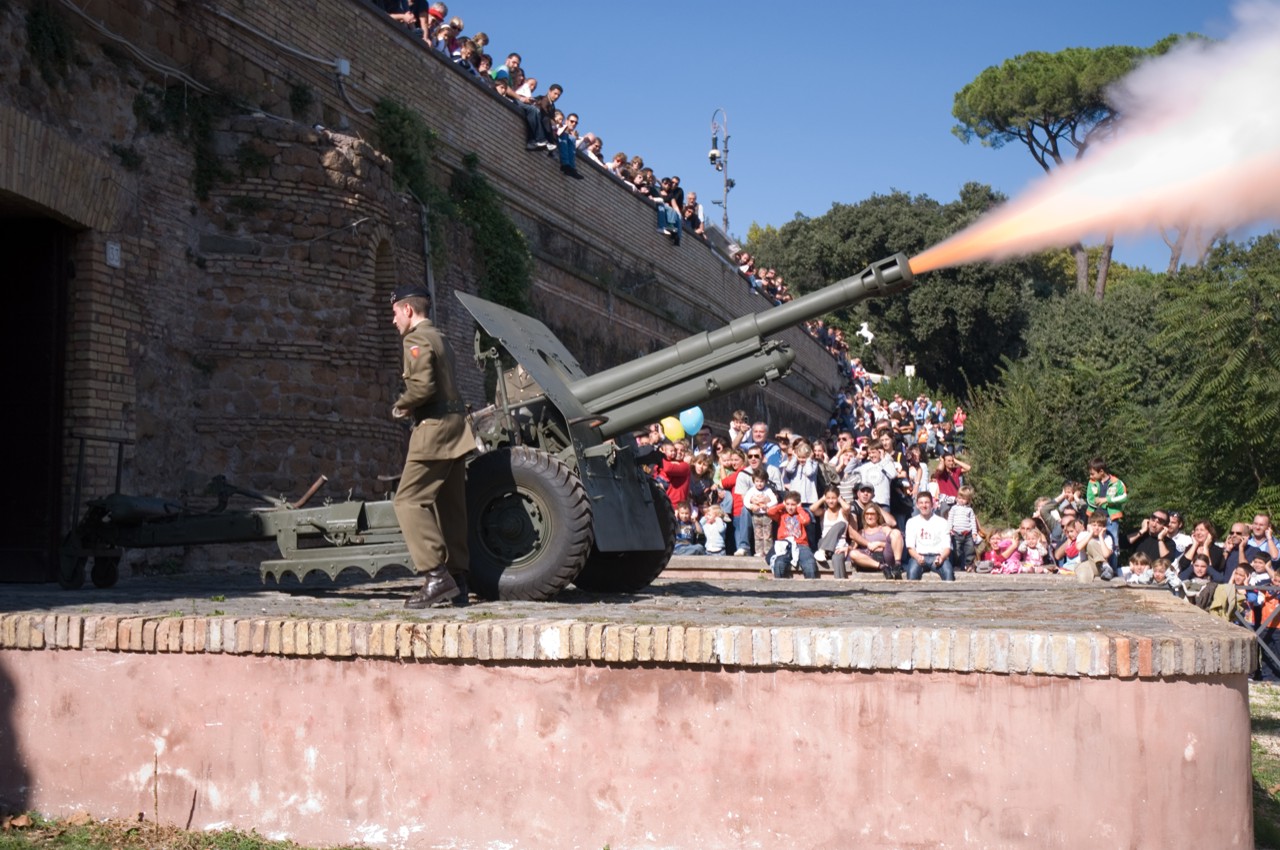
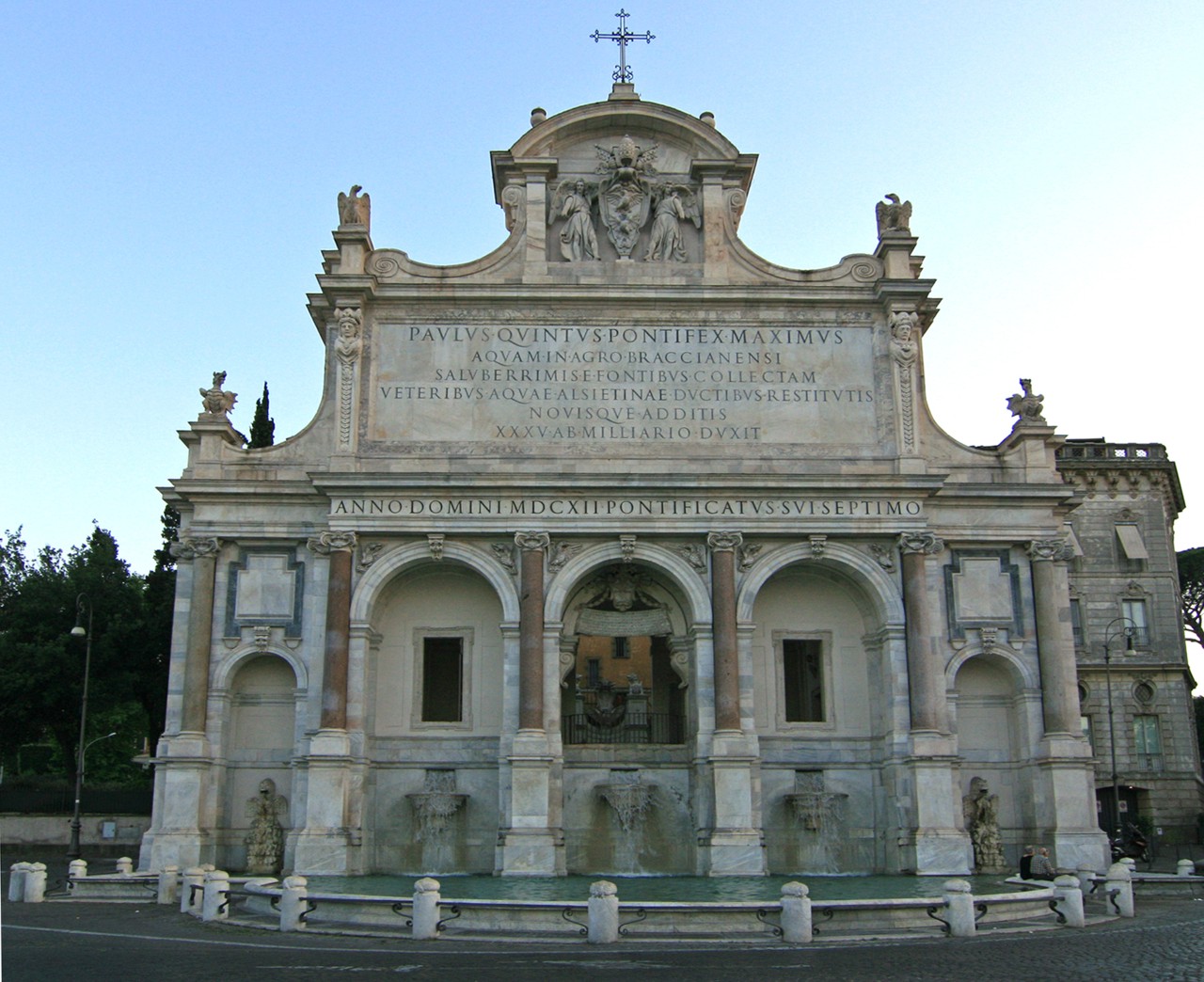
 Passeggiata del GianicoloPasseggiata del Gianicolo (Gianicolo's Walk)
Walk through tree-lined streets and busts of famous people of the Italian Risorgimento discovering suggestive panoramas of Rome. -

-
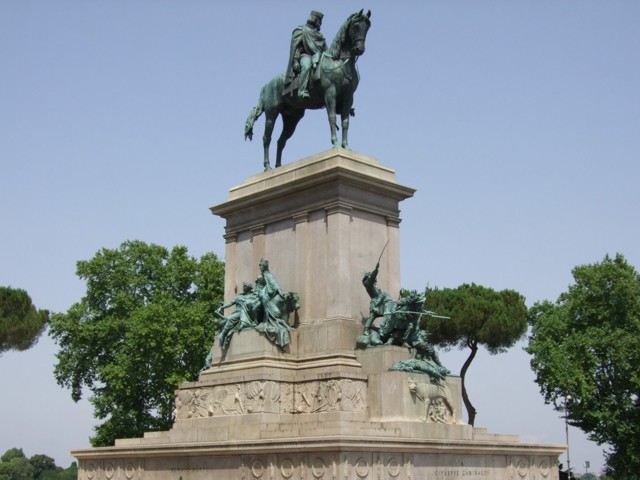
 Passeggiata del GianicoloPasseggiata del Gianicolo (Gianicolo's Walk)
Monument to Garibaldi -
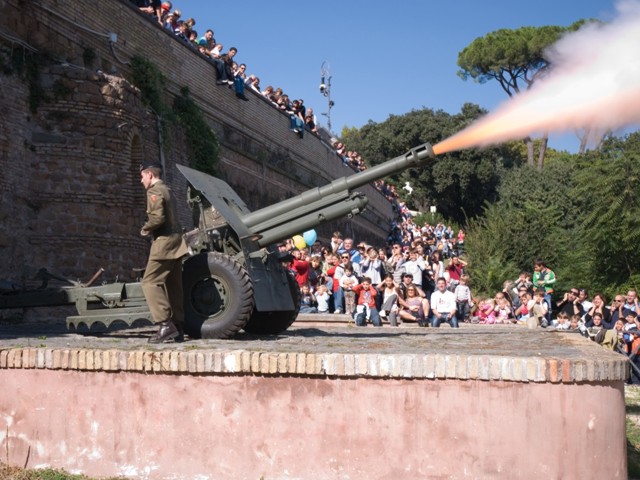
 Passeggiata del GianicoloPasseggiata del Gianicolo (Gianicolo's Walk)
Firing blanks of the cannon at noon -
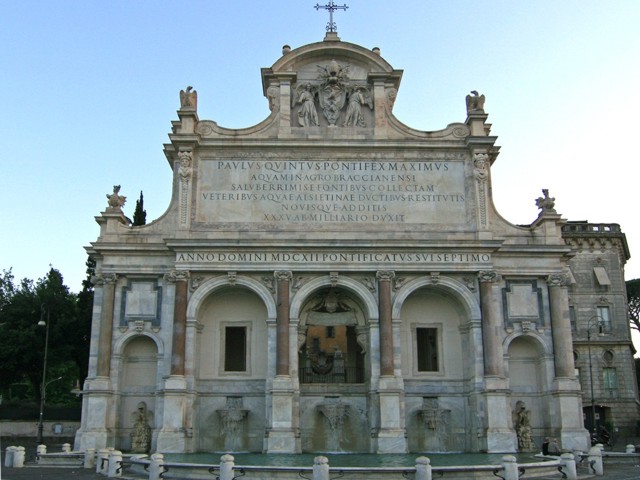
 Passeggiata del GianicoloPasseggiata del Gianicolo (Gianicolo's Walk)
Fontana dell'acqua Paola (1611-1612) or Fontanone